

How to Deal With Grief: Understanding Loss, Types of Grief and Healing
No One Teaches You How to Grieve You go through life learning how to earn money, how to build a career, how to fix problems
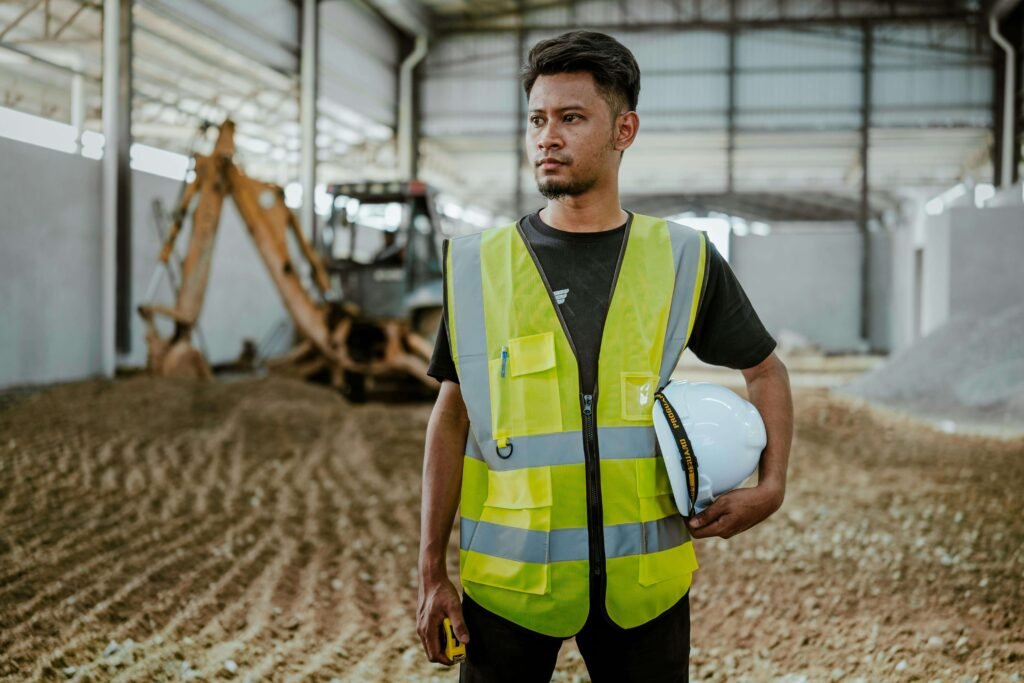
World Suicide Prevention Day is an opportunity to talk about a subject that many people still find uncomfortable. It is a chance to challenge assumptions, start conversations and remind people that support is available. Yet if we’re being completely honest, suicide should not only be something we talk about on one day each year. For many families across the world, suicide is something they think about every single day. It is the empty seat at the dinner table. It is the phone call that never came. It is the birthday, Christmas or family gathering that never quite feels the same again.
For those of us working within construction, the conversation feels even more important. Construction continues to have one of the highest suicide rates of any industry in the UK. The statistic that is often quoted is that two construction workers take their own lives every working day. Whether you are an apprentice, labourer, electrician, plumber, site manager, quantity surveyor or company director, those numbers should stop us in our tracks. Because behind every statistic is a person. A father, a son, a brother, a friend or a colleague. Somebody who once laughed with their mates, made plans for the future and had people who cared deeply about them.
As someone who has spent more than 16 years working in construction, those statistics don’t feel distant to me. They feel personal. I have seen first-hand how pressure can build. I have spoken to workers who were struggling financially, emotionally and mentally. I’ve heard stories of relationship breakdowns, loneliness, addiction, grief and overwhelming stress. I’ve also experienced my own mental health challenges, including suicidal thoughts, which is one of the reasons these conversations matter so much to me today.
The reality is that suicide is rarely caused by a single event. It is often the result of multiple pressures building over time. Financial worries, relationship difficulties, loneliness, poor mental health, work-related stress, physical injury and a lack of support can all contribute. The challenge is that many men become incredibly good at hiding what they are going through. They continue turning up to work. They continue smiling. They continue saying they’re “fine” when the reality is very different.
If we want to prevent suicide, we need to understand why so many men suffer in silence in the first place.
For many years, I genuinely believed that asking for help was something other people did. If I was struggling, I would deal with it myself. If I felt stressed, I worked harder. If I felt overwhelmed, I distracted myself. If something hurt emotionally, I buried it and convinced myself that eventually it would go away.
Looking back now, I can see that I wasn’t coping nearly as well as I thought I was.
Like many men, I became very good at appearing okay. From the outside, I was functioning. I was working, socialising and getting on with life but internally things were becoming increasingly difficult. The more pressure I carried, the less I spoke about it. The less I spoke about it, the more isolated I became. Eventually I reached a point where suicide felt like a genuine possibility.
One of the biggest misconceptions people have about suicidal thoughts is that they appear suddenly. In my experience, they don’t. They often develop gradually. Stress builds. Pressure builds. Emotional pain builds. You carry one thing, then another, then another, until eventually the weight becomes overwhelming. What makes this especially dangerous is that many people around you may have no idea what you’re carrying.
Dr Susie Bennett often describes this as a pain tank. Imagine every disappointment, every rejection, every loss, every stressful experience and every emotional wound being poured into a tank. Over time that tank begins to fill. For some people it starts filling in childhood. For others it fills later in life. Either way, if we never learn healthy ways to empty that tank, eventually it reaches capacity.
For me, therapy played a significant role in emptying that tank. It gave me a safe space to understand what I was carrying and why I was carrying it. It helped me recognise patterns, challenge beliefs and develop healthier ways of coping. Most importantly, it reminded me that I didn’t have to carry everything alone.
That experience changed how I think about mental health. It also changed how I think about masculinity.
Whenever discussions around men’s mental health take place, masculinity often enters the conversation. Unfortunately, these conversations can quickly become polarised. Some people blame masculinity entirely, while others refuse to acknowledge that cultural expectations around manhood can create difficulties.
Personally, I think the truth sits somewhere in the middle.
Masculinity itself is not the problem. Many traditionally masculine qualities are incredibly valuable. Responsibility, resilience, loyalty, courage, protectiveness and dependability are all qualities that deserve respect. Most of us can think of men in our lives who embody these traits and positively impact the people around them.
The problem arises when masculinity becomes confused with emotional suppression.
Many boys grow up hearing phrases like “man up”, “stop crying”, “be strong” or “get on with it”. While these comments are often made without malicious intent, they can send a powerful message. Over time, boys learn that expressing vulnerability is unacceptable. They learn that emotions should be hidden. They learn that asking for help is a sign of weakness.
As those boys become men, those beliefs often follow them into adulthood.
Instead of talking about stress, they suppress it. Instead of expressing fear, they hide it. Instead of asking for help, they convince themselves they should cope alone. The result is that many men become experts at appearing strong while quietly struggling underneath.
One of the most important lessons I learned through therapy was that vulnerability and strength are not opposites. In fact, some of the strongest people I’ve ever met are those who have had the courage to admit they were struggling and seek support. Real strength isn’t pretending everything is fine when it isn’t. Real strength is being honest enough to acknowledge when something isn’t right and brave enough to do something about it.
This distinction becomes particularly important when we look at industries like construction, where traditional ideas around masculinity often play a significant role in workplace culture.
Although suicide affects people from every profession and every walk of life, there are several reasons why construction continues to face particularly high levels of risk. Understanding these factors is important because suicide prevention begins with understanding the pressures people are experiencing.
The first challenge is financial uncertainty. While some people outside the industry assume construction workers earn good money and therefore have fewer worries, the reality can be very different. Many workers experience periods of uncertainty between contracts. Some are self-employed and face concerns about where the next job will come from. Others deal with delayed payments, rising living costs and the pressure of supporting families. Financial stress is one of the most significant contributors to poor mental health, and construction workers are not immune to it.
The second challenge is isolation. During my own career, I spent periods working away from home and staying in hotels. On paper, it doesn’t sound particularly difficult. In reality, it can become incredibly lonely. You finish work, return to an empty hotel room, eat alone and repeat the same routine the next day. Weeks can pass without meaningful connection. While some people cope well with this lifestyle, others find the isolation gradually takes a toll on their wellbeing.
Long hours and fatigue also play a significant role. Construction often involves early starts, physically demanding work and lengthy commutes. Many workers leave home before sunrise and return after dark. When people are exhausted, their ability to manage stress naturally decreases. Problems that might otherwise feel manageable can suddenly feel overwhelming. Fatigue doesn’t just affect physical safety on site; it can significantly impact emotional resilience too.
Physical injury is another factor that is often overlooked. For many tradespeople, their identity is closely connected to their ability to work. When an injury prevents somebody from doing their job, the impact is often far greater than lost income alone. It can affect confidence, self-worth and a person’s sense of purpose. Combined with financial pressure and reduced social interaction, injury can become a major risk factor for poor mental health.
Perhaps most importantly, construction remains a predominantly male industry. While there are many positives associated with the camaraderie and teamwork often found onsite, there can also be a culture that discourages vulnerability. Some workers worry about being judged. Others fear appearing weak. Some simply don’t want to burden their colleagues with personal problems. As a result, many people suffer in silence until their struggles become impossible to ignore.
None of these factors alone automatically lead to suicidal thoughts. However, when several occur at the same time, they can create a dangerous combination. Financial pressure, loneliness, fatigue, injury, relationship difficulties and emotional suppression can quickly become overwhelming when somebody feels they have nowhere to turn.
One of the most challenging aspects of suicide prevention is that there isn’t always a single obvious warning sign. People experiencing suicidal thoughts can appear completely normal on the surface. They may continue working, socialising and carrying out their usual responsibilities while struggling internally.
That being said, there are often changes in behaviour that indicate somebody may need support.
One of the most common signs is withdrawal. A person who is normally sociable may begin isolating themselves. They may stop joining conversations during breaks, decline invitations or distance themselves from friends and family. Sometimes this withdrawal happens gradually, making it easy to overlook.
Changes in mood can also be significant. Increased irritability, frustration, anger or emotional numbness may indicate that somebody is struggling. It’s important to remember that depression doesn’t always look like sadness. For many men, emotional distress presents as anger, withdrawal or frustration rather than tears.
A noticeable decline in work performance can also be a warning sign. Somebody who normally takes pride in their work may begin making unusual mistakes, missing deadlines or appearing distracted. Chronic stress and poor mental health often affect concentration, memory and decision-making.
Sleep problems are another common indicator. Difficulty sleeping, waking frequently during the night or feeling constantly exhausted can all be linked to mental health difficulties. Over time, poor sleep can significantly worsen existing emotional challenges.
Increased alcohol or substance use may also signal that somebody is struggling. While not everybody who drinks heavily is experiencing suicidal thoughts, many people use alcohol or substances as a way of coping with emotional pain. Unfortunately, this often creates additional problems rather than solving the original issue.
Perhaps the most important warning sign is hopelessness. Statements such as “What’s the point?”, “Nothing is ever going to change” or “Everyone would be better off without me” should never be dismissed. Even if they are said casually or disguised as jokes, they may indicate that somebody is carrying significant emotional pain.
The challenge is that many men will never openly announce that they are struggling. This is why paying attention to changes in behaviour is so important. Often, people communicate distress through actions long before they communicate it through words.
One of the biggest myths surrounding suicide is the belief that asking somebody about it might put the idea into their head. This misconception has existed for years and unfortunately prevents many people from having conversations that could save lives. The evidence is clear. Asking somebody if they are thinking about suicide does not increase the likelihood of them acting on those thoughts. In many cases, it does the opposite. Imagine carrying an enormous secret that you feel unable to share with anyone. Imagine believing that nobody would understand or that talking about it would make you a burden. Then imagine somebody noticing your struggle and asking directly, without judgement, whether you’re okay.
For many people, that question creates relief. Not because their problems suddenly disappear, but because somebody has finally acknowledged what they’re experiencing. The reality is that many people experiencing suicidal thoughts desperately want somebody to notice. They want somebody to ask. They want permission to be honest.
If you’re worried about somebody, it’s okay to be direct.
You might say, “I’ve noticed you don’t seem yourself lately and I’m concerned about you.”
You might ask, “Have you been having thoughts about hurting yourself?”
Or “Are you thinking about suicide?”
These questions can feel uncomfortable, but discomfort is a small price to pay if it helps save a life. The key is to remain calm and listen carefully to the answer. Avoid interrupting, judging or immediately trying to solve the problem. Often the most valuable thing you can do is simply create a space where somebody feels heard.
Many people avoid conversations about mental health because they worry about saying the wrong thing. While this concern is understandable, it’s important to remember that perfection isn’t required. What matters most is genuine care and willingness to listen.
If you’re concerned about somebody, try to find a quiet environment where they feel comfortable speaking openly. On a construction site, that might mean stepping away from the main group for a few minutes. At home, it might mean choosing a calm moment without distractions.
Start by sharing your observations rather than making assumptions. For example, you might say, “I’ve noticed you’ve seemed quieter than usual recently,” or “You don’t seem yourself at the moment and I wanted to check in.”
Once the conversation begins, focus on listening rather than fixing. Many of us instinctively search for solutions when somebody shares a problem. While practical support is valuable, people often need understanding before they need advice.
Phrases such as “That sounds really difficult”, “I’m glad you told me” or “You don’t have to deal with this on your own” can be incredibly powerful. They communicate empathy without judgement.
It’s equally important to avoid dismissive comments, even when they’re well-intentioned. Statements like “You’ll be fine”, “Other people have it worse” or “Just stay positive” can unintentionally minimise somebody’s experience. What feels encouraging to one person may feel invalidating to another. Sometimes the most important thing you can do is stay present, listen carefully and remind somebody that support is available because while one conversation may not solve every problem, it can be the conversation that changes the direction of somebody’s life.
When people think about health and safety in construction, they often think about hard hats, safety boots, scaffolding inspections and risk assessments. These things are incredibly important and have helped make construction significantly safer than it was decades ago. However, if we are serious about protecting workers, we need to recognise that mental health deserves the same attention as physical safety.
The reality is that many people spend more time with their colleagues than they do with their families during the working week. This places employers, managers and supervisors in a unique position. They are often among the first people to notice when somebody’s behaviour changes. They may see signs of stress, withdrawal, fatigue or emotional distress long before anybody else.
One of the most effective things organisations can do is normalise conversations about mental health. When mental health only gets discussed during awareness weeks or after a crisis has occurred, it sends a message that the subject is unusual or uncomfortable. By contrast, when wellbeing becomes a regular part of workplace conversations, it reduces stigma and makes it easier for people to seek support.
Toolbox talks provide an excellent opportunity to achieve this. Construction workers are already familiar with regular safety briefings. Including mental health topics alongside physical safety discussions reinforces the message that both matter equally. Over time, these conversations help create an environment where asking for support feels normal rather than exceptional.
Training managers is equally important. Many supervisors genuinely care about their teams but simply don’t know what to say when somebody is struggling. Mental health awareness training can help managers recognise warning signs, start supportive conversations and signpost workers towards appropriate support. Nobody expects site managers to become counsellors, but they should feel confident enough to identify concerns and respond appropriately.
Access to support also matters. Larger organisations may offer Employee Assistance Programmes, counselling services or wellbeing initiatives. Smaller businesses may not have the same resources, but they can still signpost workers towards external support. The key is making those resources visible, accessible and easy to understand. If somebody is in distress, the last thing they need is a complicated process that creates additional barriers.
Perhaps most importantly, leaders need to model healthy behaviours themselves. If senior leaders talk openly about mental health, encourage help-seeking and demonstrate vulnerability when appropriate, it creates permission for others to do the same. Cultural change rarely starts from the bottom. It is often driven by what people see their leaders doing.
When people discuss suicide prevention, there is often a focus on crisis intervention. While crisis support is essential, prevention begins much earlier. It starts with creating environments where people feel comfortable speaking before they reach breaking point.
One of the most powerful things any workplace can do is challenge the idea that struggling should be hidden. This doesn’t mean encouraging people to share every detail of their personal lives. It simply means creating a culture where someone can say, “I’m having a difficult time” without fearing judgement or negative consequences.
Language plays a significant role in shaping workplace culture. Casual phrases such as “man up”, “stop being soft” or jokes about mental health may seem harmless, but they can reinforce the idea that vulnerability is unacceptable. Over time, these messages create barriers to help-seeking.
By contrast, supportive language creates opportunities for connection. Simple questions such as “How are you really doing?” or “Is there anything you need support with?” can make a significant difference. Often people don’t need perfect words. They simply need evidence that somebody cares enough to ask.
Peer support can also be incredibly valuable. Many workers find it easier to open up to a colleague than a manager. Buddy systems, mental health champions and informal support networks can help create additional routes for people to access help. The goal isn’t to replace professional support but to ensure that nobody feels completely alone.
One of the most encouraging changes I’ve seen in recent years is the growing willingness of people within construction to have these conversations. While there is still a long way to go, there are more organisations, charities and individuals speaking openly about mental health than ever before. Every conversation helps move the industry in the right direction.
One of the reasons I created Onward Shift was because I recognised how difficult it can be for people in construction to find support that genuinely understands their experiences. The industry has unique pressures. Long hours, changing workplaces, financial uncertainty, travel and traditional attitudes towards mental health all create challenges that aren’t always understood by generic support services.
At Onward Shift, our mission is simple: to make mental health support more accessible to the construction industry.
Whether that’s through counselling, coaching, keynote speaking, podcasts, blogs, newsletters, toolbox talks or community events, the goal remains the same. We want to create opportunities for people to learn, connect and access support before they reach crisis point.
One thing I’ve learned through my own experiences is that support doesn’t need to be complicated. Often the hardest part is taking that first step. That first conversation, first counselling session or first admission that something isn’t quite right can feel incredibly daunting. Yet it is often the beginning of meaningful change.
Nobody should have to navigate mental health challenges alone. Support exists and recovery is possible. I’ve experienced that personally and I’ve seen it in countless others.
World Suicide Prevention Day is not simply about raising awareness. Awareness matters, but awareness alone doesn’t save lives. Action saves lives.
If you’re reading this as a worker, I want to encourage you to think about your own wellbeing. When was the last time you genuinely checked in with yourself? When was the last time you spoke openly about what was going on in your life? If you’ve been struggling, what would happen if you shared that burden with somebody you trust?
If you’re reading this as a friend, colleague or family member, think about the people around you. Is there somebody you’ve been meaning to check in on? Is there somebody who seems quieter than usual or who hasn’t quite seemed themselves recently? One conversation could make more difference than you realise.
If you’re reading this as an employer, manager or business leader, consider what more could be done within your organisation. What message does your workplace send about mental health? Would somebody feel safe admitting they were struggling? If the answer is no, there is work to be done.
Suicide prevention is not the responsibility of one person, one organisation or one charity. It requires all of us. It requires communities, workplaces, families and individuals working together to create environments where people feel supported rather than isolated.
For many years, society has sold men a version of strength that centres around silence. The idea that strong men deal with problems alone. Strong men don’t cry. Strong men don’t ask for help. Strong men simply keep going regardless of how much they are carrying. I don’t believe that anymore. After experiencing my own mental health struggles, after speaking to hundreds of people across construction and after seeing the impact suicide has on families and communities, I’ve come to a different conclusion.
Strength is not pretending you’re okay when you’re not. Strength is not carrying every burden alone. Strength is not suffering in silence. Real strength is having the courage to be honest. It’s recognising when something isn’t right and taking action before things become overwhelming. It’s checking in on a friend. It’s asking difficult questions. It’s reaching out for support when you need it.
This World Suicide Prevention Day, I encourage you to do one thing.
Start a conversation.
Message a friend.
Call a family member.
Check in with a colleague.
Book the counselling session.
Have the conversation you’ve been putting off.
You never know what somebody else might be carrying and you never know how much a simple conversation could change the course of somebody’s life.
No One Teaches You How to Grieve You go through life learning how to earn money, how to build a career, how to fix problems

There is something frighteningly ordinary about the day Dave Harris experienced the heart incident that changed his life. He woke up early, travelled into London,

Have you ever started something with so much passion that you could picture exactly where it was going, only to lose sight of that picture

The Conversation We Cannot Afford to Avoid World Suicide Prevention Day is an opportunity to talk about a subject that many people still find uncomfortable.

There is a particular kind of tiredness that comes from knowing exactly how the next day will feel before it has even started. The same

I have spent over 15 years working in construction as an electrician. During that time, I have met some of the most dependable, skilled and
If you’re feeling overwhelmed or need someone to talk to, there are organisations that offer free, confidential support for mental health challenges, especially for professionals in high stress industries like construction and engineering. Here are some options available:
Provides a 24/7 confidential listening service for anyone struggling with their mental health or in distress.
A free and confidential text-based crisis support service available 24/7.
The Lighthouse Construction Industry Charity provides vital support to construction workers and their families, offering financial assistance, mental health support, and occupational health advice.
Mates in Mind works to improve mental health awareness within the construction sector. They provide training and resources to help businesses and workers address mental health challenges.
B&CE’s Construction Worker Helpline offers free support and guidance for industry workers facing financial difficulties, stress, or personal challenges. Available from 8am-8pm, 7 days a week.
Provides confidential advice and financial assistance for people working in the electrical industry.
The Rainy Day Trust provides financial assistance and support to those working in the home improvement, construction, and allied trades industries.
CRASH helps homelessness charities and hospices by providing construction-related assistance, offering expertise and materials for vital building projects.
This organisation helps young people discover career opportunities in the construction industry, breaking down stereotypes and offering pathways into the trade.
Offers emotional support and guidance for anyone affected by bereavement.
Provides 24/7 support for individuals struggling with gambling-related issues.
At AA, alcoholics help each other. We will support you. You are not alone. Together, we find strength and hope. You are one step away.
A free listening service for individuals experiencing suicidal thoughts, open from 6pm to midnight daily.
A helpline offering support and information to LGBTQIA+ individuals on topics like mental health, relationships, and identity.
Provides young people with advice and support on topics such as mental health, finances, relationships, and homelessness.
The construction industry can be both rewarding and challenging but no one should have to face difficulties alone. Whether you need financial help, mental health support or career guidance, these organisations are here to assist you. If you or someone you know is struggling, don’t hesitate to reach out. If you found this list helpful, consider sharing it with colleagues or on social media to spread awareness. Let’s build a stronger, healthier construction industry together!
Helping construction, one conversation at a time.
Helping construction, one conversation at a time.
We use cookies to make our website work properly, improve performance and personalise your experience. You can accept all cookies or manage your preferences.