

How to Deal With Grief: Understanding Loss, Types of Grief and Healing
No One Teaches You How to Grieve You go through life learning how to earn money, how to build a career, how to fix problems
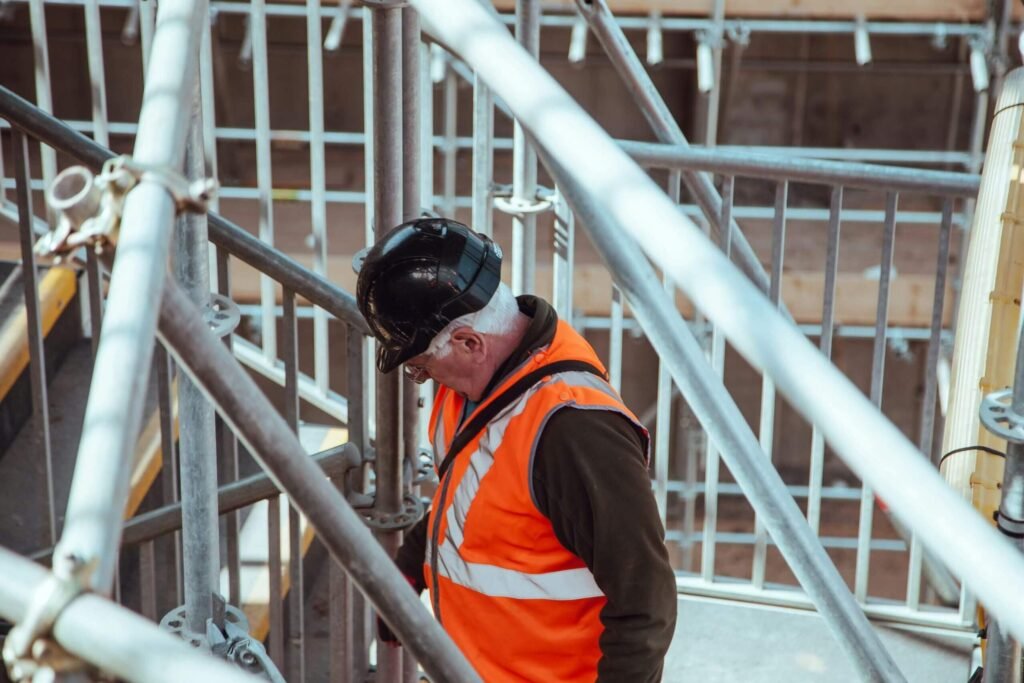
Anyone who has worked in maintenance will understand the value of planned preventive maintenance, usually shortened to PPM.
Whether you are responsible for a small building, a large commercial site or an industrial plant, you do not wait for every piece of equipment to fail before giving it attention. Assets are inspected, tested, cleaned and serviced at planned intervals because small signs of wear are usually easier to manage than a complete breakdown.
Some checks happen daily. Others are weekly, monthly, quarterly, six-monthly or annually. A plant room inspection may be quick and routine, while testing a fire suppression system requires specialist knowledge and careful planning. The tasks differ, but the purpose is the same: understand the condition of the system, identify risk early and take action before a manageable issue becomes an emergency.
Reactive maintenance will always exist. Pipes burst, electrical faults appear and equipment sometimes fails without much warning. A good maintenance plan cannot prevent every incident, but it can reduce avoidable failures and make the response stronger when something unexpected does happen.
After years working as an electrician, that way of thinking became natural to me. When I later founded Onward Shift, I began noticing how differently we often approach mental health in construction.
We would never knowingly run critical equipment without inspection, overload it continuously and then act surprised when it failed. Yet people are regularly expected to work through long hours, poor sleep, unrealistic programmes, financial pressure and difficult relationships until they reach a point where they can no longer continue.
That made me ask a simple question: what would happen if we approached mental wellbeing with some of the same forward planning we apply to maintenance?
Imagine walking past a fuse board and hearing an unusual buzzing sound.
An experienced electrician would not assume that every noise meant a fire was about to start, but they would not dismiss a persistent change either. They would assess the situation, consider the immediate risk and arrange for the right person to investigate safely. The sound is information. It tells you that something may have changed and deserves attention.
If the warning is repeatedly ignored, the original fault may worsen. What could have been addressed through a controlled inspection can become a loss of supply, damaged equipment or, in the most serious circumstances, a fire.
Mental health can follow a similar pattern, although people are far more complex than electrical systems.
The early signs may be subtle. Somebody who usually sleeps well starts waking through the night. A worker who normally joins the conversation becomes quiet. A manager notices they are more irritable, forgetful or emotionally drained. An experienced tradesperson begins making unusual mistakes or feels unable to face another day on site.
None of these changes automatically means somebody has a mental health condition, and not every difficult week will become a crisis. People can have bad days and recover. However, a change that persists or worsens is worth noticing.
The problem is that many of us hear the internal buzzing and respond with, “I’ll deal with it later.” Work is busy. Other people depend on us. We do not want to make a fuss. By the time later arrives, the issue may be affecting our sleep, relationships, concentration and ability to cope.
The aim of a proactive approach is not to make people anxious about every shift in mood. It is to make early attention feel normal.
Physical faults are often easier to see. A leak leaves water on the floor. A failed motor stops the plant. A tripped circuit removes a supply. The problem becomes difficult to ignore because operations are immediately affected.
Mental strain can remain hidden for much longer. People learn how to smile, carry out the task and tell everyone they are fine. In construction, where reliability is highly valued and future work can feel uncertain, admitting that you are struggling may appear risky.
There is also a belief that support is only for the point when somebody can no longer cope. Counselling, coaching, occupational health and workplace adjustments are sometimes viewed as emergency measures rather than resources people can use earlier.
Organisations can fall into the same pattern. A company may respond well when somebody reaches crisis, while paying little attention to the workload, working hours, communication or behaviour that contributed to the pressure. The immediate incident is managed, but the conditions around it remain unchanged.
That is the mental health equivalent of repeatedly replacing a blown component without investigating why it keeps failing.
At Onward Shift, we use the term Planned Preventive Mental Health Support, or PPMHS, as a practical way of thinking about prevention.
It is not a clinical treatment model and it cannot predict or prevent every mental health difficulty. People are not machines, and nobody’s wellbeing should be reduced to an item on an asset register. The value of the comparison is simply that regular attention, early action and proper follow-through are often better than waiting until somebody reaches breaking point.
PPMHS asks individuals and organisations to make mental wellbeing part of normal planning. What pressures are present? What early signs might tell us that something is changing? How can people raise concerns? What action will follow? How will we check whether that action worked?
The last question matters because an inspection without action is not maintenance. In the same way, asking workers how they feel and then ignoring what they say is not meaningful mental health support.
A maintenance engineer needs to understand how equipment usually sounds, looks and performs before they can recognise a change. Mental health check-ins work in a similar way.
For an individual, this may mean becoming familiar with your normal sleep, energy, mood, concentration and behaviour. You do not need to score every emotion or inspect yourself constantly. It is about noticing patterns. If you have been exhausted, short-tempered or unable to switch off for several weeks, that tells you more than one difficult afternoon.
For a manager, knowing the team makes changes easier to recognise. This does not mean watching people suspiciously or trying to diagnose them. A quieter mood, a mistake or a late arrival can have many explanations. The manager’s role is to create an opportunity for a private conversation, not decide what condition somebody has.
A simple, genuine check-in can be enough: “You don’t seem yourself lately. How are things?”
The conversation should never become a forced public disclosure during a toolbox talk. Some people will speak openly in a group, while others need privacy and time. A planned approach creates more than one route into support.
Regular check-ins are useful only when people know what happens next.
If a worker says they are overwhelmed, can the manager review the immediate workload? If somebody is struggling after a bereavement, is there flexibility available? If a person wants professional support, do they know how to access it confidentially? If the manager hears something that suggests immediate risk, are they clear about the organisation’s escalation process?
Without those answers, “How are you?” can become another line in a wellbeing campaign rather than a genuine offer of support.
The same applies to anonymous surveys and staff feedback. Collecting information creates a responsibility to consider it. If workers repeatedly raise concerns about understaffing, travel, bullying, late changes or impossible deadlines, the company should explain what it has learned and what it will do. Not every request can be granted, but silence quickly destroys trust.
A PPM has a schedule, an owner, a record and an action. Planned mental health support needs similar clarity without becoming clinical or intrusive. People should know who is responsible for workplace wellbeing, where concerns can be raised and how confidentiality will be protected.
The original version of this idea focused heavily on habits such as exercise, mindfulness, social connection and work-life balance. Those can all be useful, depending on the person, but they are only one part of prevention.
You cannot keep overloading a machine and tell the maintenance team to make it more resilient. In the same way, a business cannot rely on breathing exercises, wellbeing apps or lunchtime walks while continuing to place people under unreasonable pressure.
NICE guidance on mental wellbeing at work recommends using organisational approaches as the foundation, followed by individual and targeted support. It specifically says that individual approaches should not replace organisational strategies for reducing work stressors.
For construction, that means looking upstream. Are programmes achievable? Are teams properly resourced? Are working hours allowing enough recovery? Do people understand their roles? Are changes communicated clearly? Can workers raise a concern without being mocked or punished? Are subcontractors included in support or treated as somebody else’s responsibility?
These are not separate from mental health. They shape it.
The HSE Management Standards give employers a useful framework through six areas of work design: demands, control, support, relationships, role and change. HSE also makes clear that employers have a legal duty to assess and act on risks from work-related stress.
That turns the maintenance comparison into something practical. Workload and hours sit under demands. The amount of say people have over their work relates to control. Training, resources and management response affect support. Conflict, bullying and respect sit within relationships. Clear responsibilities matter to role, while communication and consultation shape how change is experienced.
A planned mental health approach should review these conditions rather than waiting for individual workers to become unwell and then asking why they could not cope.
Organisations have responsibilities, but individuals can also learn what helps them stay well.
For one person, that may be walking after work, protecting sleep or speaking regularly with somebody they trust. Another may benefit from therapy, coaching, exercise, time alone or a clearer boundary around work messages. There is no universal mental health service schedule because different people recover and process pressure in different ways.
The important part is choosing habits that are realistic rather than creating another set of standards to fail. A construction worker already leaving home before sunrise may not need advice to build an elaborate two-hour morning routine. Five quiet minutes, a proper lunch break or one honest conversation might be a more useful beginning.
Personal reflection can help people notice their warning signs. Perhaps you withdraw, work longer hours, become more irritable or stop doing the things that usually help you feel like yourself. Recognising that pattern gives you a chance to act earlier by resting, speaking to someone, arranging a GP appointment or accessing professional support.
Proactive care should make life more manageable. It should not make somebody feel responsible for preventing every difficult emotion.
Managers often become the first person to notice that somebody is struggling, but they are not therapists. They do not need to diagnose, investigate someone’s private life or promise a level of confidentiality they cannot provide if there is an immediate safety concern.
Their role is to listen, consider the work-related factors they can influence and guide the person towards the right support. Training can help managers recognise changes, hold a calm conversation and understand when a concern needs to be escalated.
Managers also need support themselves. A site manager carrying programme pressure, commercial demands and responsibility for a large workforce may be experiencing the same warning signs as the people they supervise. A prevention plan that relies on already overwhelmed managers to carry everybody else’s wellbeing will not last.
Senior leaders have to give managers the time, authority and resources to respond. If a supervisor is told to check in with the team but cannot adjust workload, challenge behaviour or pause an unsafe situation, the process becomes performative.
Even the best preventive maintenance programme cannot remove every breakdown. Mental health is the same.
Bereavement, trauma, relationship breakdown, illness and sudden financial pressure cannot always be planned for. Some mental health conditions may develop or worsen even when a person and their employer have done many things well. Prevention should never become another way of blaming somebody for reaching crisis.
The purpose of planning is to make the response easier to access and better organised. People know who they can contact. Managers understand the limits of their role. Professional support is available. Immediate risks are treated seriously, while longer-term recovery is handled with patience rather than pressure to return to normal quickly.
A strong system includes prevention, early support and crisis response. None replaces the others.
PPMs are reviewed because equipment, buildings and operating conditions change. Workplace mental health support should also evolve.
Companies can look at absence, staff turnover, working hours, repeated complaints, exit feedback and themes raised during check-ins. Those measures need context. A rise in people using counselling, for example, does not automatically mean mental health has worsened. It may show that trust and awareness have improved.
The most useful question is not, “How many people attended the session?” It is, “What changed afterwards?”
Did managers feel more able to respond? Were workers clearer about where to find support? Did the business act on a known pressure? Were subcontractors able to access the same information? Did people feel safer speaking honestly?
Awareness is valuable, but prevention is visible in decisions.
Onward Shift supports construction companies through lived-experience keynote speakers, practical toolbox talks, workplace wellbeing support and free resources. These services can help organisations open conversations, improve understanding and make support easier to find.
We also recognise that a talk or poster is only one part of the system. It should connect with realistic workloads, trained managers, clear support routes and leaders who are prepared to act on what they hear.
For individuals, Onward Shift’s support for people brings together coaching, counselling, community events, podcasts, blogs and other resources. The aim is to give people different ways to enter support because not everybody needs the same thing or feels ready at the same time.
Planned Preventive Mental Health Support is the thinking that connects these pieces. Notice early. Talk honestly. Address the conditions causing pressure. Make professional support accessible. Review what is working and keep improving it.
There is a reason planned maintenance is part of every well-run building and project. Prevention protects people, reduces disruption and gives teams a better chance of responding before control is lost.
Mental health deserves the same regular attention, but with one important difference: people are not equipment. They need trust, privacy, choice and human connection, not another inspection regime.
We will never prevent every difficult period or remove the need for reactive support. We can, however, stop treating crisis as the first acceptable time to act.
If something has changed, notice it. If the pressure is coming from work, address the work. If somebody speaks, make sure the conversation leads somewhere. That is what preventive mental health support should look like in practice.
If your business wants to make mental wellbeing part of everyday planning rather than an emergency response, contact Onward Shift and let’s explore what a practical preventive approach could look like for your workforce.

No One Teaches You How to Grieve You go through life learning how to earn money, how to build a career, how to fix problems

The Industry Cannot Afford to Lose What Its People Know After more than 15 years working as an electrician, I can still remember lessons that

There is something frighteningly ordinary about the day Dave Harris experienced the heart incident that changed his life. He woke up early, travelled into London,

Mental health in construction is often spoken about in statistics. Rates. Percentages. Headlines. We talk about numbers because they feel measurable. Safer and easier to

A construction site can be one of the busiest places imaginable. People are moving in every direction, radios are going off, trades are working alongside

The Conversation We Cannot Afford to Avoid World Suicide Prevention Day is an opportunity to talk about a subject that many people still find uncomfortable.
If you’re feeling overwhelmed or need someone to talk to, there are organisations that offer free, confidential support for mental health challenges, especially for professionals in high stress industries like construction and engineering. Here are some options available:
Provides a 24/7 confidential listening service for anyone struggling with their mental health or in distress.
A free and confidential text-based crisis support service available 24/7.
The Lighthouse Construction Industry Charity provides vital support to construction workers and their families, offering financial assistance, mental health support, and occupational health advice.
Mates in Mind works to improve mental health awareness within the construction sector. They provide training and resources to help businesses and workers address mental health challenges.
B&CE’s Construction Worker Helpline offers free support and guidance for industry workers facing financial difficulties, stress, or personal challenges. Available from 8am-8pm, 7 days a week.
Provides confidential advice and financial assistance for people working in the electrical industry.
The Rainy Day Trust provides financial assistance and support to those working in the home improvement, construction, and allied trades industries.
CRASH helps homelessness charities and hospices by providing construction-related assistance, offering expertise and materials for vital building projects.
This organisation helps young people discover career opportunities in the construction industry, breaking down stereotypes and offering pathways into the trade.
Offers emotional support and guidance for anyone affected by bereavement.
Provides 24/7 support for individuals struggling with gambling-related issues.
At AA, alcoholics help each other. We will support you. You are not alone. Together, we find strength and hope. You are one step away.
A free listening service for individuals experiencing suicidal thoughts, open from 6pm to midnight daily.
A helpline offering support and information to LGBTQIA+ individuals on topics like mental health, relationships, and identity.
Provides young people with advice and support on topics such as mental health, finances, relationships, and homelessness.
The construction industry can be both rewarding and challenging but no one should have to face difficulties alone. Whether you need financial help, mental health support or career guidance, these organisations are here to assist you. If you or someone you know is struggling, don’t hesitate to reach out. If you found this list helpful, consider sharing it with colleagues or on social media to spread awareness. Let’s build a stronger, healthier construction industry together!
Helping construction, one conversation at a time.
Helping construction, one conversation at a time.
We use cookies to make our website work properly, improve performance and personalise your experience. You can accept all cookies or manage your preferences.