

Bored of Routine, Looking for Change?
There is a particular kind of tiredness that comes from knowing exactly how the next day will feel before it has even started. The same
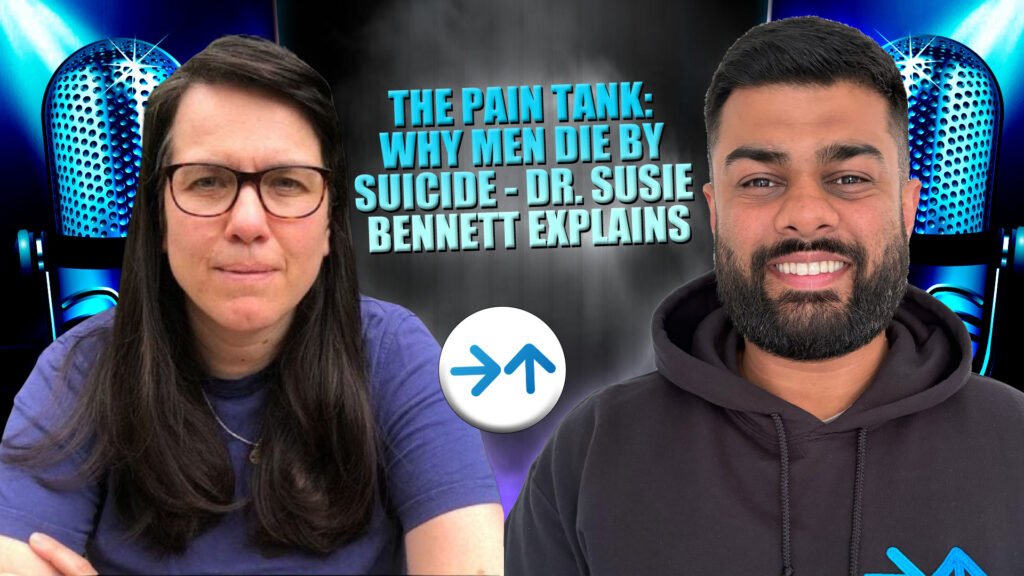
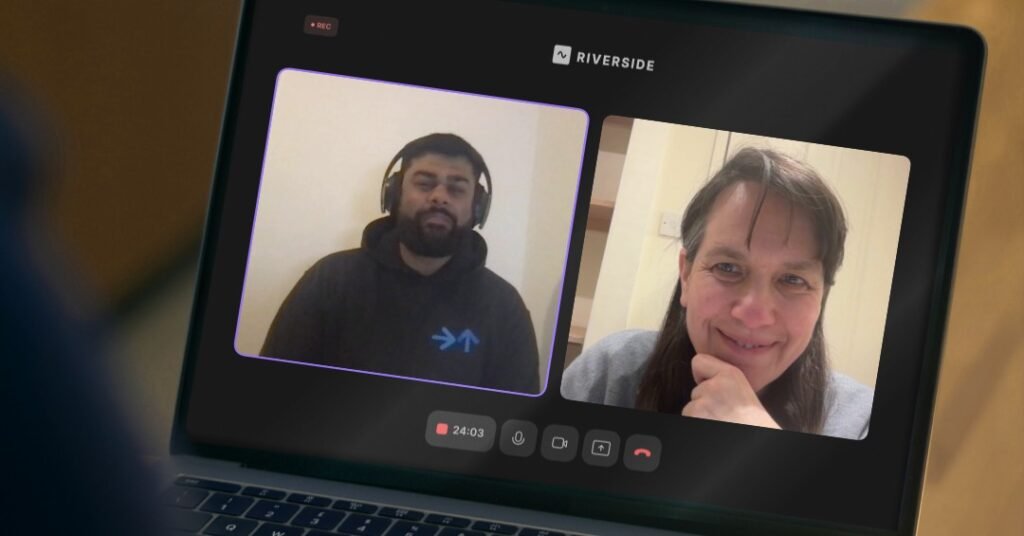
If you work in construction, you’ve probably heard the statistic by now. Suicide is one of the biggest killers of men under 50. It’s repeated often enough that it almost starts to lose its meaning but when you actually stop and think about it, it should shake you. We are not talking about rare cases or isolated incidents. We are talking about thousands of men who reached a point where their pain felt so unbearable that ending their life felt like the only option left. During a recent conversation on the Onward Shift Podcast, I sat down with Dr Susie Bennett, a researcher who has spent years studying male suicide. What stood out straight away wasn’t just the data or the research, it was the way she spoke about it. There was no detachment, no clinical distance. It was real, genuine and grounded in human experience. She made something very clear early on and it’s something that completely changes how we should be looking at mental health in construction and beyond. Suicide is not a single problem with a single cause. It is not something that exists inside one person in isolation. It is the result of multiple factors building up over time, often quietly, often unnoticed, until eventually something gives.
One of the most powerful things Susie explained is that when we talk about mental health, we often make the mistake of treating it like it’s something that sits purely inside a person. We say someone is struggling, as if the issue lives entirely in their mind or their body. While the thoughts and feelings are internal, the causes rarely are. What sits underneath those thoughts is everything that has happened around that person. Their upbringing, their relationships, their work environment, their financial pressures, their sense of purpose, their experiences of failure, rejection or loss. All of these things build over time. When you start to look at mental health through that lens, it stops being about weakness and starts being about context. This is where the conversation around mental health in construction needs to shift because when you think about the realities of the industry, long hours, travel, time away from family, financial pressure, job instability, physical exhaustion, it becomes a lot easier to understand how those external pressures can slowly build into something much heavier.
One of the most powerful analogies from the conversation was something Susie described as the “tank of pain.” It’s simple but it explains everything. Every single person carries a tank of pain inside them. Yours is different to mine and mine is different to the next person’s because we’ve all lived different lives. The things that fill that tank come from both the past and the present. Stress at work, problems at home, financial worries, relationship breakdowns, childhood experiences, everything pours into that tank over time. Now imagine that tank has two systems. At the top, you have pipes pouring pain in. At the bottom, you have a pipe that lets pain out. That bottom pipe is your ability to regulate what you’re feeling. It’s your coping mechanisms. It’s your ability to process what’s going on inside you. When that system works, the tank never overflows. Pain comes in but it also flows out. The problem starts when the pain keeps pouring in but nothing is coming out. When someone doesn’t have the tools, the space or the ability to process what they’re feeling, that tank starts to fill up and when it reaches a certain point, it doesn’t matter how strong someone is, it becomes unbearable. That is the point where suicidal thoughts can begin to appear. Not because someone is weak but because the system has been overwhelmed.
If you prefer listening over reading, you can hear the full conversation on the Onward Shift Podcast.
 Listen to the episode here:
Listening in your van, on-site or on a walk can sometimes land harder than words on a screen.
This is where things get uncomfortable because the issue isn’t just individual, it’s cultural. For years, men have been taught to suppress how they feel. Not always directly but through subtle messages. Don’t complain. Don’t show weakness. Get on with it. Be strong. Over time, that creates a disconnect. Not just from other people but from themselves because emotional suppression doesn’t just mean not talking about your feelings. It means not even recognising them properly in the first place. This is why so many men struggle with vocabulary around emotions. It’s not that they don’t feel anything. It’s that they’ve never been given the space to understand what they’re feeling. So instead of saying, “I’m anxious because of work pressure,” it comes out as frustration, anger or silence. What Susie made very clear is that this is not because men are incapable of emotional depth. In fact, it’s the complete opposite. When men are given the space to speak openly without judgement, they are incredibly emotionally articulate. The difference is not in what men feel, it’s in what they have been allowed to express.
Culture plays a much bigger role in this than most people realise. When Susie spoke about culture, it wasn’t just about workplaces or industries, it was about the environments we grow up in, the expectations placed on us and the behaviours we learn over time from a young age, many men are subtly taught how to behave, not through formal lessons but through what is rewarded and what is discouraged. Being strong is praised, getting on with things is respected and staying quiet about problems is often seen as normal. Over time, that shapes how men respond to pressure. It creates a culture where emotional expression feels unfamiliar and in some cases, even uncomfortable. When you then place that into an industry like construction, where resilience, toughness and reliability are valued traits, those patterns can become even more reinforced. It’s not that men don’t want to talk, it’s that many haven’t been shown how to or haven’t felt like there has ever been the right space to do it. Changing mental health in construction isn’t just about encouraging individuals to speak up, it’s about slowly reshaping the culture so that speaking up feels normal, not like stepping outside of what’s expected.
One of the biggest questions we asked in the conversation was this. What about the man who is completely on his own? No support system, no therapy, no immediate help available. What does he actually do? because telling someone to “reach out” isn’t always realistic when there’s no one there. This is where the idea of a toolkit becomes so important. Just like onsite, you don’t fix everything with one tool. You build a set of tools over time that you can go back to when you need them. For me, that started with therapy but it didn’t end there. It became about learning how to sit with my thoughts, how to question them, how to understand where they were coming from. It became about being honest with myself instead of running from what I was feeling for others, that toolkit might look different. It could be reading, listening to podcasts, learning from other people’s experiences, writing things down or simply starting to recognise patterns in their own behaviour. The key is this. You don’t eliminate the thoughts. You learn how to manage them when they come back. Because no matter how hard we try they do come back.
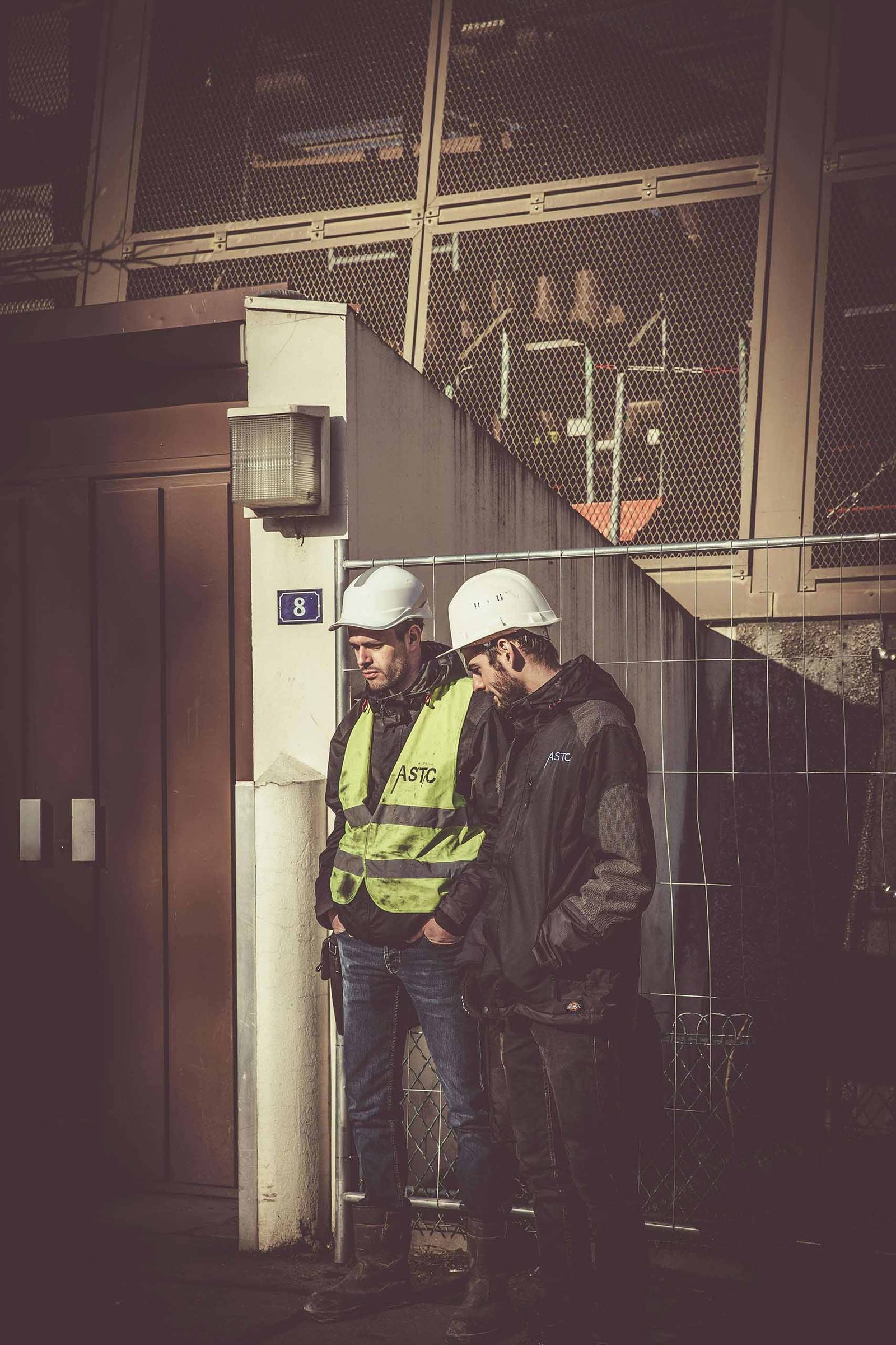
Now bring this into the construction industry. You’ve got men working away from home, living in hotels, moving from project to project, often without a stable community around them. They might have a strong work identity but very little outside of it. Humans need connection. Not with hundreds of people but with a small, trusted group. A handful of people you can talk to, be yourself around and feel understood by. Without that, things start to change. Conversations become surface level. Emotions stay internal. Problems stay unspoken. That isolation is one of the biggest risk factors when it comes to mental health in construction because when something goes wrong, when stress builds, when life takes a hit, there’s nowhere for it to go.
I’ll be honest, I wasn’t always someone who understood this. I used to laugh about mental health. I used to be one of those people who said, “just get on with it.” I said all the things that men are expected to say. Until I couldn’t anymore. The first time I experienced suicidal thoughts, I was 24. The second time, I was around 28 and when you hit that point, everything changes. You realise very quickly that this isn’t something you can just brush off or ignore. What changed my life was therapy. Not because someone gave me all the answers but because for the first time, I had space. Space to talk, space to think, space to understand what was going on inside me without being judged. That space allowed me to build something I didn’t have before. A toolkit.
There’s another layer to this now that didn’t exist in the same way before and that’s social media. This is something I’ve experienced personally and I think it’s massively underestimated. Social media can be a great tool but it also has a dark side. The more you engage with certain types of content, the more you get fed the same narrative and if that narrative is negative, it can completely distort how you see yourself and the world around you. I went through a period where I was consuming a huge amount of negative content about men. Constant messages about how bad men are, how toxic men are, how everything is wrong with men and even though I consider myself a strong person, it got to me. It genuinely affected my mental health. I started questioning myself. Am I a bad person? Am I part of the problem? And it got to a point where I had to step back and speak to someone about it, because it was becoming overwhelming. Now imagine someone who is already isolated, already struggling, consuming that level of negativity every single day. That’s where it becomes dangerous.
One thing that needs to be made clear is that this conversation is not about dividing people. It’s not about men versus women. It’s about understanding that we are all connected. Susie spoke about this beautifully. Her interest in men’s mental health doesn’t come from politics or agendas. It comes from care from understanding that the wellbeing of men directly impacts the wellbeing of everyone around them. When men are struggling, it affects families, relationships, communities and society as a whole. This isn’t a gender war. It’s a human issue.
There is also a responsibility that sits with companies, especially in industries like construction. If your workforce is living in conditions that make connection difficult, constantly travelling, working long hours, being away from home, then there has to be a conversation about how those people are supported. You cannot expect people to perform at their best while ignoring their basic human needs. Connection is not a luxury. It is a necessity.
If you take anything from this, let it be this. There is nothing wrong with you for feeling the way you feel. You are not broken. You are not weak. You are human. Pain builds. Life happens. Things stack up and without the right tools or support, it can become overwhelming but there is another way. You can learn to understand what you’re feeling. You can build your own toolkit. You can find ways to manage it, even if it doesn’t disappear completely and if you’re reading this and something resonates, don’t ignore it. Speak to someone. Start somewhere. You’re not the only one going through it and you don’t have to carry it on your own.

You can follow Susie on LinkedIn: here: https://www.linkedin.com/in/bennettsusie/
Instagram: https://www.instagram.com/male_suicide_research/
Website: https://malesuicideresearch.com

There is a particular kind of tiredness that comes from knowing exactly how the next day will feel before it has even started. The same

Ask most men who they are and they will usually tell you what they do. They will talk about their job, their responsibilities, their relationship,

Why Construction Productivity Is Really a People Problem Productivity has become one of the biggest talking points in construction and for good reason. Rising material

Rest Is Part of the Job: Recharging Before Construction Drains You Construction is very good at maintaining things. We service equipment, inspect tools, test systems

I have spent over 15 years working in construction as an electrician. During that time, I have met some of the most dependable, skilled and

There is something frighteningly ordinary about the day Dave Harris experienced the heart incident that changed his life. He woke up early, travelled into London,
If you’re feeling overwhelmed or need someone to talk to, there are organisations that offer free, confidential support for mental health challenges, especially for professionals in high stress industries like construction and engineering. Here are some options available:
Provides a 24/7 confidential listening service for anyone struggling with their mental health or in distress.
A free and confidential text-based crisis support service available 24/7.
The Lighthouse Construction Industry Charity provides vital support to construction workers and their families, offering financial assistance, mental health support, and occupational health advice.
Mates in Mind works to improve mental health awareness within the construction sector. They provide training and resources to help businesses and workers address mental health challenges.
B&CE’s Construction Worker Helpline offers free support and guidance for industry workers facing financial difficulties, stress, or personal challenges. Available from 8am-8pm, 7 days a week.
Provides confidential advice and financial assistance for people working in the electrical industry.
The Rainy Day Trust provides financial assistance and support to those working in the home improvement, construction, and allied trades industries.
CRASH helps homelessness charities and hospices by providing construction-related assistance, offering expertise and materials for vital building projects.
This organisation helps young people discover career opportunities in the construction industry, breaking down stereotypes and offering pathways into the trade.
Offers emotional support and guidance for anyone affected by bereavement.
Provides 24/7 support for individuals struggling with gambling-related issues.
At AA, alcoholics help each other. We will support you. You are not alone. Together, we find strength and hope. You are one step away.
A free listening service for individuals experiencing suicidal thoughts, open from 6pm to midnight daily.
A helpline offering support and information to LGBTQIA+ individuals on topics like mental health, relationships, and identity.
Provides young people with advice and support on topics such as mental health, finances, relationships, and homelessness.
The construction industry can be both rewarding and challenging but no one should have to face difficulties alone. Whether you need financial help, mental health support or career guidance, these organisations are here to assist you. If you or someone you know is struggling, don’t hesitate to reach out. If you found this list helpful, consider sharing it with colleagues or on social media to spread awareness. Let’s build a stronger, healthier construction industry together!
Helping construction, one conversation at a time.
Helping construction, one conversation at a time.
We use cookies to make our website work properly, improve performance and personalise your experience. You can accept all cookies or manage your preferences.