

Why Financial Wellbeing is a Safety Issue in Construction
In the UK construction industry, safety discussions traditionally focus on physical hazards hard hats, harnesses, scaffolding and machinery safety but there’s an equally critical risk

The UK construction industry has always been at the heart of progress from the bridges that connect our cities to the homes that shape our communities, our sector builds the backbone of society but while the skylines grow higher, a challenge rises just as quickly:
As we look ahead, the stakes have never been higher. The UK government wants to deliver 1.5 million new homes in just four years an additional 300,000 homes a year compared to what we are currently building. At the same time, the Construction Industry Training Board (CITB) predicts we’ll need an extra 250,000 to 280,000 workers by 2030, which works out to over 80,000 new people every year and yet, the sector faces real pressures: mental health struggles, high apprenticeship dropout rates and an ageing workforce preparing to retire.
It sounds daunting and in truth, it is but this is also an incredible opportunity to reshape construction into an industry that not only builds structures but also builds people, careers and communities.
Retaining staff in construction isn’t just about saving recruitment costs. It’s about protecting experience, knowledge and culture.
And here’s a truth we must face: we’re not just losing people to other industries, we’re losing them altogether.
The most sobering statistic of all: two construction workers die by suicide every single working day in the UK. Construction workers are four times more likely to take their own lives than the national average. This isn’t just a mental health issue. It’s a retention crisis, a workforce crisis and a human crisis.
One construction worker told Construction News:
“I don’t feel understood at work and if I have to take time off for any reason there is eye-rolling and huffing. There is no empathy or support.”
Another worker described the daily strain:
“You put huge pressure on yourself to try and get the job done any way possible … And when you do get to the end of the day … you’re in absolute pieces … And then try and do it all again tomorrow.” – Rob Muldoon, Bricklayer, Manchester
When people feel unsupported, unheard or overworked, they leave. Sometimes, permanently.
And yet here’s the positive shift things are changing.
John Dunne from Wates shared:
“Whereas now what we’re seeing is more people are open to talk about it, so we can actually tackle it.”
This cultural change is happening. The industry is beginning to treat mental health as a priority, just like physical safety. Retention starts by making people feel safe, seen and supported not just as workers but as human beings.
Apprenticeships should be our talent pipeline but right now nearly 47% of apprentices leave before completing their training. That means almost half of the people who set out to build a future in construction never finish.
A BBC investigation reported:
“Many get less than the minimum weekly requirement for off-the-job training while some receive nothing at all … apprentices can go weeks, sometimes months, without receiving any training from a mentor or industry expert.”
The consequences are huge. Not only are we failing to prepare the next generation but we’re also losing their enthusiasm.
One young apprentice left to work in hospitality, saying simply:
“It paid better, and I felt more supported.”
But here’s the other side: the appetite for apprenticeships is massive. Seddon Construction received 2,694 applications for just 20 apprenticeship roles. That’s proof that young people do want to build their careers in construction we just need to create the environment to help them thrive.
This is a golden opportunity. If we can improve training, support and pathways into the industry, we don’t just fill vacancies. We ignite careers.
Another urgent factor in staff retention is demographics. The average construction worker in the UK is now over 45 years old. Many highly skilled workers are approaching retirement and as they leave, they take decades of experience with them.
Think about it:
Retention here isn’t just about keeping current staff happy. It’s about mentorship, succession and knowledge transfer. Encouraging older workers to stay engaged perhaps moving into training, supervisory or mentoring roles could be the key to bridging the skills gap while empowering younger entrants.
It’s not about clinging to the past but about making sure the torch is passed on, not dropped.
If we want more talent, we need to widen the net. Traditionally, construction has been seen as male-dominated but change is on the horizon.
These aren’t just numbers. They’re signs that the industry is opening its doors and when people from all walks of life feel welcome, retention improves.
As one female worker shared with Construction News:
“I find being a woman in the construction industry makes it very difficult to progress … but it is easier said than done when you feel so low.”
This highlights both the challenge and the potential. Diversity isn’t just a “nice to have.” It’s how we build a resilient, innovative and sustainable workforce. Different perspectives spark better problem solving. More inclusion means more people feel valued enough to stay.
So how do we keep people in the industry? Here are strategies that make a difference:
Construction is more than a job. It’s a legacy.
Every brick, every beam, every project leaves a mark for decades or even centuries and the people behind it from apprentices just starting out to veterans with 40 years’ experience are the lifeblood of it all.
Here’s the amazing part: despite all the challenges, people want to be here!
They apply in the thousands. They dedicate their lives to projects that will outlive them. They show up in the rain, wind and sun, not for glory but for the pride of building something real. The industry isn’t broken. It’s brilliant but like any structure, it needs maintenance and right now, that means maintaining and nurturing the people who build it.
Staff retention isn’t just about keeping workers happy. It’s about keeping the industry alive. It’s about making sure that when we look back in 10, 20, 50 years, we see not just new homes and infrastructure but an industry that cared for its people.
We have the chance to make construction a place where people want to stay, grow and belong.
Construction is where vision becomes reality. Where empty land becomes communities. Where designs become landmarks. Where careers can build not just homes but hope.
So let’s look after the builders, the planners, the apprentices and the veterans.
Let’s keep talent in, bring fresh talent in and make sure that when we build the future of the UK, we’re also building the future of the people who make it happen.
Because when construction thrives, the whole country does.
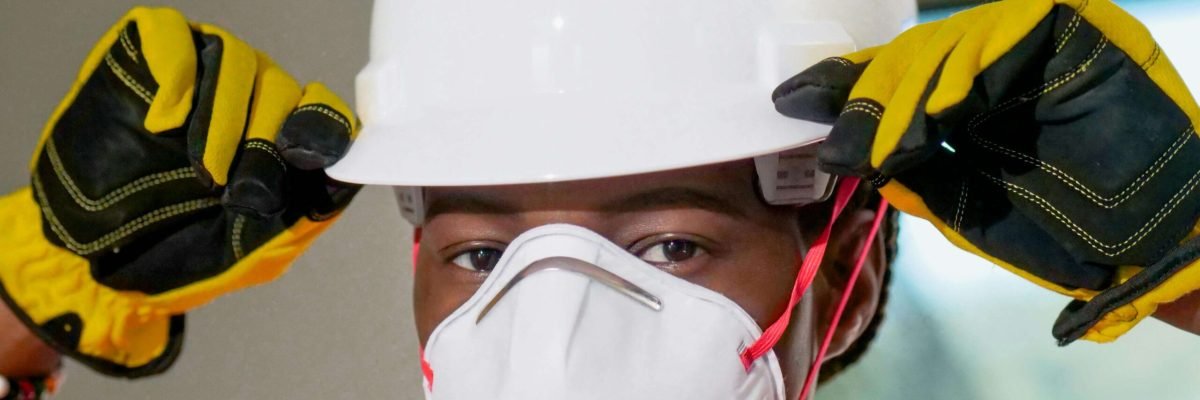
In the UK construction industry, safety discussions traditionally focus on physical hazards hard hats, harnesses, scaffolding and machinery safety but there’s an equally critical risk

In our fast-paced, constantly connected world, it’s easy to overlook one of the most crucial aspects of our well-being: mental health. Often overshadowed by physical health, mental health is just as important, if not more so, in ensuring a balanced and fulfilling life.

In today’s ever-evolving world, mental health has become a central concern for individuals, communities and workplaces. With the stresses of modern living, economic instability and

Two Conversations I Cannot Ignore It was worse than I thought. Much worse. I had spent years working in construction. I knew about the long

Running your own business can give you freedom, purpose and the chance to build something that reflects who you are. It can also feel incredibly

Life is unpredictable, with challenges, opportunities, and countless decisions. Navigating this complex path can often feel overwhelming, leaving many seeking guidance and clarity.
If you’re feeling overwhelmed or need someone to talk to, there are organisations that offer free, confidential support for mental health challenges, especially for professionals in high stress industries like construction and engineering. Here are some options available:
Provides a 24/7 confidential listening service for anyone struggling with their mental health or in distress.
A free and confidential text-based crisis support service available 24/7.
The Lighthouse Construction Industry Charity provides vital support to construction workers and their families, offering financial assistance, mental health support, and occupational health advice.
Mates in Mind works to improve mental health awareness within the construction sector. They provide training and resources to help businesses and workers address mental health challenges.
B&CE’s Construction Worker Helpline offers free support and guidance for industry workers facing financial difficulties, stress, or personal challenges. Available from 8am-8pm, 7 days a week.
Provides confidential advice and financial assistance for people working in the electrical industry.
The Rainy Day Trust provides financial assistance and support to those working in the home improvement, construction, and allied trades industries.
CRASH helps homelessness charities and hospices by providing construction-related assistance, offering expertise and materials for vital building projects.
This organisation helps young people discover career opportunities in the construction industry, breaking down stereotypes and offering pathways into the trade.
Offers emotional support and guidance for anyone affected by bereavement.
Provides 24/7 support for individuals struggling with gambling-related issues.
At AA, alcoholics help each other. We will support you. You are not alone. Together, we find strength and hope. You are one step away.
A free listening service for individuals experiencing suicidal thoughts, open from 6pm to midnight daily.
A helpline offering support and information to LGBTQIA+ individuals on topics like mental health, relationships, and identity.
Provides young people with advice and support on topics such as mental health, finances, relationships, and homelessness.
The construction industry can be both rewarding and challenging but no one should have to face difficulties alone. Whether you need financial help, mental health support or career guidance, these organisations are here to assist you. If you or someone you know is struggling, don’t hesitate to reach out. If you found this list helpful, consider sharing it with colleagues or on social media to spread awareness. Let’s build a stronger, healthier construction industry together!
Helping construction, one conversation at a time.
Helping construction, one conversation at a time.
We use cookies to make our website work properly, improve performance and personalise your experience. You can accept all cookies or manage your preferences.