

Construction Toolbox Talks
In the construction industry, where the focus traditionally lies on physical safety, productivity and project delivery, mental health has often been a neglected topic. However,
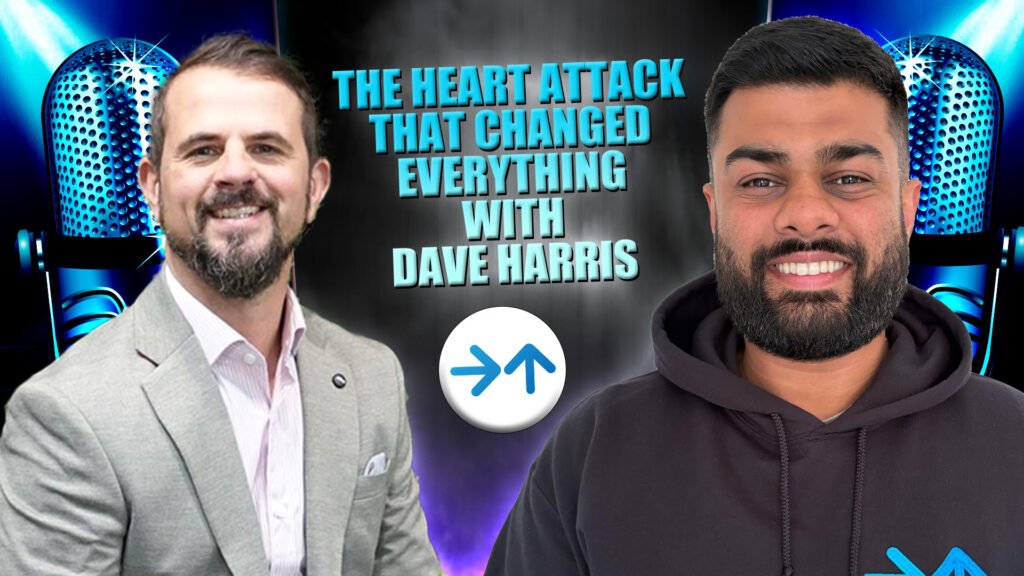
There is something frighteningly ordinary about the day Dave Harris experienced the heart incident that changed his life. He woke up early, travelled into London, grabbed food and coffee on the way and prepared himself for another difficult day on a construction project already under enormous pressure. He was 39, trained in martial arts for several hours each week and looked physically fit from the outside, he was the sort of person many of us would assume could handle it.
That is why this conversation stayed with me. We often imagine a crisis will arrive with plenty of warning or happen to somebody who is visibly struggling. Construction teaches us to look for obvious hazards: an exposed cable, an unsafe scaffold, a missing guard rail or someone working without the correct PPE. Pressure on the other hand is much harder to see. A person can still attend meetings, solve problems and keep a project moving all whist their mind and body are carrying far more than anyone sees and sometimes they do not fully realise it themselves because the pace has become… normal.
In this episode of the Onward Shift Podcast I sit down with Dave Harris for an honest conversation about identity, construction leadership, pressure, health and purpose. Dave reflects on his parents separating, trying to fit into a “lads, lads, lads” culture and why travelling allowed him to become a more genuine version of himself. We follow his journey from electrician to site management, including the anxiety of being given responsibility without enough support, the lessons he learned from subcontractors and the high-pressure London project that preceded his heart incident. Most importantly, Dave shares the realisation that returning to normal was not enough because his old normal was part of the problem.
If you prefer listening over reading, you can hear the full conversation on the Onward Shift Podcast – https://youtu.be/-XvbvVxmao8
Dave was careful when speaking about his childhood. His parents loved him, their separation was amicable and both remained part of his life, yet they separated when he was five and his dad no longer lived in the same home. Through therapy and becoming a father himself, Dave has recognised that a situation does not have to look dramatic from the outside to leave a mark. He described becoming a people pleaser, wanting to be liked and sometimes feeling the need to impress people. Exploring where those patterns began has helped him understand why approval became so important without blaming his parents or judging the child he was.
His stepdad was an electrician who worked relentlessly to provide for the family, yet as a boy Dave sometimes pushed him away with the words, “You’re not my dad.” His biological father had lost his own dad at 13 and struggled to show affection, although they built a much better relationship towards the end of his life. There is no simple villain in this story. There are people shaped by their own histories, sometimes leaving gaps without intending to. Understanding those gaps helps us decide whether the patterns we still carry continue to serve us.
Growing up, Dave never felt comfortable with the fighting, heavy drinking and “lads” culture around him. He went along with parts of it because that was the group he had found but it did not match the person underneath. He cared about people and often defended the underdog, including friends facing racist abuse at school. Dave wondered whether some of the other lads felt equally out of place but followed the group because nobody wanted to be first to step away. That is how culture can work. We notice what receives approval, what gets laughed at and what brings rejection, then adjust ourselves a little at a time.
Travel gave Dave a fresh start. He spent around four and a half to five years of his twenties abroad, including seasons as a snowboarding instructor in Austria and a year in Canada. Nobody there had already decided who he was supposed to be. Yet travel was also an escape and eventually he realised that a permanent seat at the same bar in a ski resort was not the future he wanted. A change of scenery can give us breathing space but sooner or later we have to understand what we are moving towards.
Electrical work surrounded Dave. His stepdad and brothers were electricians and after years of resisting the pull he began working in the trade. Dave is honest about struggling on the tools. He was slow, awkward with his hands and disliked the pressure of price work but he gradually realised that his strength was people. Construction needs practical ability, yet projects also depend on those who can settle disagreements, build trust and bring others with them. Those abilities had always been part of Dave; he simply needed a role that allowed him to use them.
This reminded me of my own experience on price work. I was good at it and earned decent money but I would arrive early, work through breaks and stay late. Eventually, the repetition damaged my shoulder and I had to move from installation into testing. Being successful at a type of work does not always make it sustainable, just as struggling in one role does not make somebody a failure. Sometimes the more useful question is, “Where do my actual strengths make the biggest difference?”
Dave moved into management and was soon overseeing the mechanical and electrical fit-out of a new school. During an early walk-round, the main contractor asked what size pipe would run through an area. Dave was an electrician and knew little about the mechanical side, so he answered honestly: “I don’t know. I’ll find out and come back to you.” He had been handed responsibility without the guidance or management support he needed and was left to muddle through while trying not to expose how out of his depth he felt.
The Health and Safety Executive identifies six areas that can contribute to work-related stress: demands, control, support, relationships, role and change. Dave’s experience touched several at once. The CIOB’s 2025 research found that 94% of its 865 respondents experienced stress during the previous year, with too much work and unrealistic deadlines among the factors affecting mental health. When the same pressures keep appearing across construction, we have to examine how work is planned, communicated and led.
Dave lacked experience on that first major project, he relied on subcontractors who understood parts of the job better than he did. They helped solve problems and protect the project from his gaps in knowledge. In return, he tried to treat them fairly and sign off the money they had earned. Dave had given his word, so when people above him refused those payments, the wider system made him look untrustworthy.
Dave spoke about subcontractors he has known who say they were left tens of thousands of pounds out of pocket after working for larger firms. I shared my own experience of losing around £8,000 during my first month of self-employment. These are personal experiences rather than a formal industry statistic but the human effect of late or withheld payment is real. A small contractor may already have paid wages, bought materials and worked weekends to rescue somebody else’s programme. The pressure follows them home.
Dave’s leadership principle is simple: “Treat subcontractors like you’re working for them.” Give people the drawings, information, decisions and attention required to deliver the work. In one example, Dave became frustrated with a subcontractor who repeatedly failed to communicate. Once they spoke properly, he discovered that the man was treading water and being dragged back onto the tools to keep several commitments alive. Dave explained why communication mattered, apologised for misreading the situation and moved their meeting. His authority remained intact because he took the time to understand what was happening.
By 39, Dave had become much better at managing projects, which meant he was parachuted into a troubled London development involving three blocks of flats at different stages. Problems discovered near final fix had to be corrected there, prevented in the second block and considered before work progressed in the third. The main contractor had lost trust in Dave’s company and the existing team was making promises it could not keep. Dave started rebuilding the team and project.
On the outside, he was performing. Away from that image, he had two very young children, travelled into London early, ate poorly, drank alcohol and packed intense martial arts training around an exhausting routine. These details cannot diagnose the cause of his medical incident but they show a life with very little room left in it.
On the day it happened, Dave knew he had a meeting with somebody he expected to be confrontational. The conversation became heated and he walked away feeling the full rush and drop of adrenaline. Afterwards, he noticed numbness in his left hand and began to feel unwell. A colleague found aspirin but Dave did not want to create a drama or be stuck in a London hospital away from his family, so he drove himself home and later went to A&E.
Dave’s decision to drive home should not be copied. The NHS says a suspected heart attack is a medical emergency: call 999 and do not drive yourself to A&E. Symptoms can include tight or squeezing chest pain, pain spreading to the arm, neck or jaw, shortness of breath, nausea, sweating or a change in skin colour. While waiting for help, the NHS advises sitting and resting and taking 300mg aspirin if available, unless the person is allergic, while following the emergency call handler’s guidance.
Hospital tests showed Dave had experienced a serious heart incident and there was scarring to his heart. In the podcast, he calls it a stress-induced heart incident, language that reflects his medical journey without turning this article into a diagnosis. The British Heart Foundation explains that stress can temporarily raise heart rate and blood pressure, while unhealthy coping habits can also increase cardiovascular risk. Dave’s story reminds us to take the whole picture seriously, even when there is no simple explanation.
After a crisis, “back to normal” can sound like the destination. Dave’s recovery included cardiac rehabilitation and anxiety around ordinary firsts. He was younger than many of the people around him, looked fit and had no visible injury that explained what he was carrying. Fear after a heart incident sits inside the body, where other people may never see it.
Then came the line at the centre of this episode: “You want to get back to normal but your normal is actually detrimental to your health.” The routines, pressure and fight-or-flight state Dave had learned to tolerate were still waiting for him. A medical crisis interrupted the pattern but learning to build a different life took a long bloody time. Vulnerability felt unfamiliar and becoming himself was a gradual process.
Dave also recognised that his heightened awareness had helped him become good at reading rooms. What began partly as self-protection developed into a strength, although the cost still mattered. The manager who always rescues the programme may be rewarded with another impossible programme. The employee who never says no can become known as dependable while quietly losing the space needed to recover. Competence can hide pressure because everybody focuses on what is still getting done.
Dave brought a blood pressure monitor to the conversation because monitoring his physical health has become part of how he looks after himself. High blood pressure often has no symptoms, so it is worth getting it checked rather than guessing from how healthy you look. The NHS explains that blood pressure can be checked at a pharmacy, GP surgery or some workplaces. A monitor cannot tell you how well somebody is coping but Dave’s wider point is valuable: mental and physical health belong to the same person.
Awareness also means noticing changes that are easy to dismiss. Perhaps sleep has become lighter, patience shorter or concentration less reliable. Perhaps Sunday evening is filled with dread or alcohol is doing more of the work when it comes to switching off. These signs are reasons to pause, look at the wider pattern and speak to a GP or another qualified professional when something does not feel right.
Construction contains pressure but the danger comes when an emergency pace becomes the ordinary pace. If you regularly rely on caffeine to get started, alcohol to stop, skipped meals to save time and weekends to rescue the programme, something may need to change. Dave spoke about walking, breath work and becoming more aware of his body. I have found 4-7-8 breathing useful because it gives me a simple way to pause when my nervous system is racing. A walk or conversation will not repair a badly managed project but it can help us notice what is happening and decide on the next step.
Leaders need to look at the conditions surrounding the person. Are deadlines achievable? Can the manager admit they do not know something? Do subcontractors receive decisions in time? Is one dependable person repeatedly rescuing poor planning? New managers deserve mentoring, training and permission to say, “I need help.” Personal habits should never become an excuse for an organisation to keep creating harmful conditions.
Finally, speak before you have the perfect explanation. “I don’t feel like myself” or “I’m struggling to switch off” is enough to begin. Speak to somebody you trust, your GP or a professional counsellor. Onward Shift also offers coaching and private counselling for people working in construction.
Through his Always Learning Podcast and work with managers, Dave wants to give other people the support he did not receive when he stepped into leadership. His idea of “better managers, better lives” recognises that the way someone is treated at work can follow them into the van, through the front door and into their relationships with the people they love.
His principles remain grounded: be respectful, stay curious about people’s stories and avoid assumptions. Give people a fair chance but recognise when a relationship is damaging you and it is time to walk away. There is only one you, as Dave says, and protecting that person is part of living well.
The title of this episode is The Heart Attack That Changed Everything but the conversation asks a deeper question: how much needs to happen before we allow ourselves to change? The signs that Dave’s life did not fit had been appearing for years. They were there in the boy who felt he did not belong, the young man escaping abroad, the electrician forcing himself through unsuitable work and the manager operating in fight-or-flight while everybody saw somebody who could handle the pressure.
There is no shame in recognising yourself somewhere in that story. Perhaps you have accepted pressure as the price of progression or become the person everybody relies on because asking for help feels unfamiliar. You do not need to wait for a medical emergency to take those questions seriously. Notice what has changed in your body, mood and behaviour. Look honestly at the habits you use to cope and the conditions creating the pressure. Speak to somebody before you have worked out every answer. If you lead people, create an environment where they can do the same safely.
Dave’s story asks us to build ambition, responsibility and hard work on something healthier than fear, performance and constant survival. The aim is to create a life and a way of working worth returning to, where success does not require us to disappear from ourselves. Take a deep breath. You are allowed to pause before your body makes the decision for you.
If you prefer listening over reading, you can hear the full conversation on the Onward Shift Podcast.
 Listen to the episode here:
Listening in your van, on-site or on a walk can sometimes land harder than words on a screen.
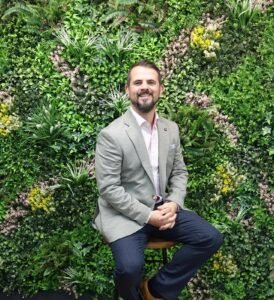
Linkedin – https://www.linkedin.com/in/dave-harris-a6178a139/
Podcast –https://open.spotify.com/show/0JDdXuJ802VWZ4lFCAH2Vs?si=dd52b87074d04bf5

In the construction industry, where the focus traditionally lies on physical safety, productivity and project delivery, mental health has often been a neglected topic. However,

Construction has always been good at one thing, cracking on! No matter how rough the night was. No matter what’s going on at home. No

Running your own business can give you freedom, purpose and the chance to build something that reflects who you are. It can also feel incredibly

Construction is built around solving problems. If something is not level, you adjust it. If a circuit is faulty, you test it. If the programme

Ask most men who they are and they will usually tell you what they do. They will talk about their job, their responsibilities, their relationship,

I have spent years encouraging men to speak more openly about their mental health, particularly those working in construction. We tell men that asking for
If you’re feeling overwhelmed or need someone to talk to, there are organisations that offer free, confidential support for mental health challenges, especially for professionals in high stress industries like construction and engineering. Here are some options available:
Provides a 24/7 confidential listening service for anyone struggling with their mental health or in distress.
A free and confidential text-based crisis support service available 24/7.
The Lighthouse Construction Industry Charity provides vital support to construction workers and their families, offering financial assistance, mental health support, and occupational health advice.
Mates in Mind works to improve mental health awareness within the construction sector. They provide training and resources to help businesses and workers address mental health challenges.
B&CE’s Construction Worker Helpline offers free support and guidance for industry workers facing financial difficulties, stress, or personal challenges. Available from 8am-8pm, 7 days a week.
Provides confidential advice and financial assistance for people working in the electrical industry.
The Rainy Day Trust provides financial assistance and support to those working in the home improvement, construction, and allied trades industries.
CRASH helps homelessness charities and hospices by providing construction-related assistance, offering expertise and materials for vital building projects.
This organisation helps young people discover career opportunities in the construction industry, breaking down stereotypes and offering pathways into the trade.
Offers emotional support and guidance for anyone affected by bereavement.
Provides 24/7 support for individuals struggling with gambling-related issues.
At AA, alcoholics help each other. We will support you. You are not alone. Together, we find strength and hope. You are one step away.
A free listening service for individuals experiencing suicidal thoughts, open from 6pm to midnight daily.
A helpline offering support and information to LGBTQIA+ individuals on topics like mental health, relationships, and identity.
Provides young people with advice and support on topics such as mental health, finances, relationships, and homelessness.
The construction industry can be both rewarding and challenging but no one should have to face difficulties alone. Whether you need financial help, mental health support or career guidance, these organisations are here to assist you. If you or someone you know is struggling, don’t hesitate to reach out. If you found this list helpful, consider sharing it with colleagues or on social media to spread awareness. Let’s build a stronger, healthier construction industry together!
Helping construction, one conversation at a time.
Helping construction, one conversation at a time.
We use cookies to make our website work properly, improve performance and personalise your experience. You can accept all cookies or manage your preferences.