Understanding Mental Health in the Construction Sector
Construction is one of the most physically demanding and hazardous industries in the world. The long hours, heavy workloads, high-risk environments and constant pressure to



Preparing People for More Than the Job
Learners spend years developing the practical knowledge they need to become electricians, engineers, project managers, tradespeople and construction professionals, but working life can bring challenges that cannot always be taught from a textbook. Stress, pressure, confidence, setbacks, relationships, loneliness and knowing when to ask for help can all become part of working life. Starting these conversations during education can help learners become more aware of their own wellbeing, recognise when somebody around them may be struggling and understand where support is available. It doesn’t need to feel like another lecture about mental health. Sometimes hearing an honest story from somebody who has worked in the industry can start a conversation that stays with someone for years.
Who Is This Support For?
Onward Shift works with organisations helping people prepare for careers within construction and the built environment. This can include colleges, universities, construction academies, apprenticeship providers, technical training organisations and other education providers supporting learners aged 16 and over. Support can be used with apprentices, full-time students, adult learners, university students and people preparing to enter construction for the first time. Whether you want to organise a one-off conversation, introduce additional wellbeing resources or build mental health support into the wider learner experience, we can explore what is appropriate for your organisation.
Please note: Onward Shift coaching and counselling services are available to people aged 18 and over only.
Start With One Conversation
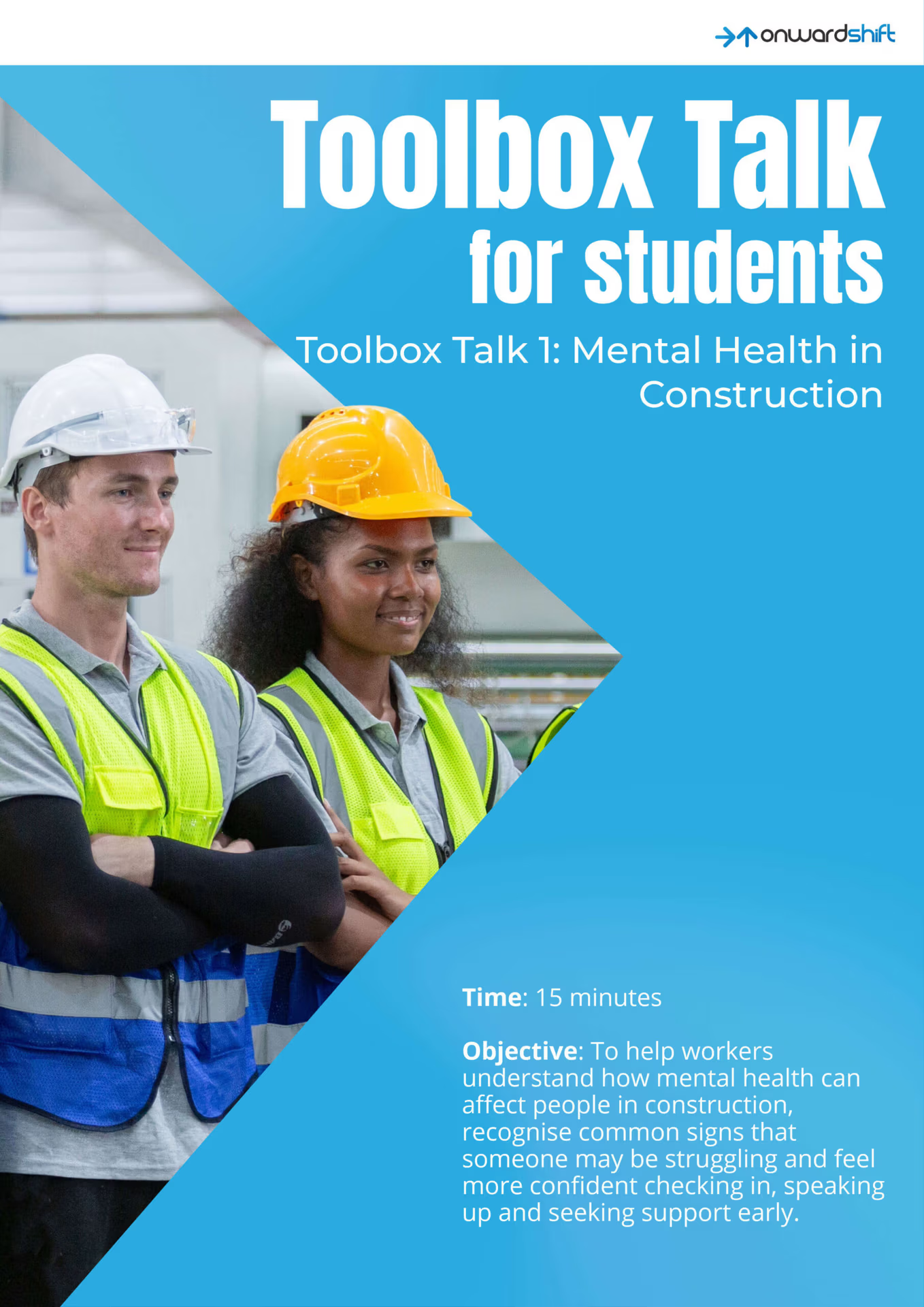
You do not need to completely redesign your wellbeing programme to make a difference. It could start with one keynote speaker sharing their lived experience. One toolbox talk that gives tutors a reason to open a conversation. One podcast shared with a class. One free resource placed somewhere learners will see it. Small conversations can lead to bigger ones.





Construction is one of the most physically demanding and hazardous industries in the world. The long hours, heavy workloads, high-risk environments and constant pressure to

Whenever I stand in front of a construction audience, I know there will usually be a few people wondering what a mental health talk has

Passing Down Wisdom: Helping Young People Navigate Mental Health and Support When we talk about preparing young people for the future, the conversation usually centres

A Call to Rethink How People Are Expected to Work Construction relies on standards. We work to drawings, regulations, programmes and agreed methods because consistency

In 1974, Health and Safety recorded 166 fatalities in construction due to workplace incidents. By March 2025, that number had reduced to 35. Now let

The Industry Cannot Afford to Lose What Its People Know After more than 15 years working as an electrician, I can still remember lessons that