

Mental Health is Critical in Construction Safety
“Work stays at work. Home stays at home.” We have all heard some version of that sentence. It sounds sensible. Keep things separate, stay professional
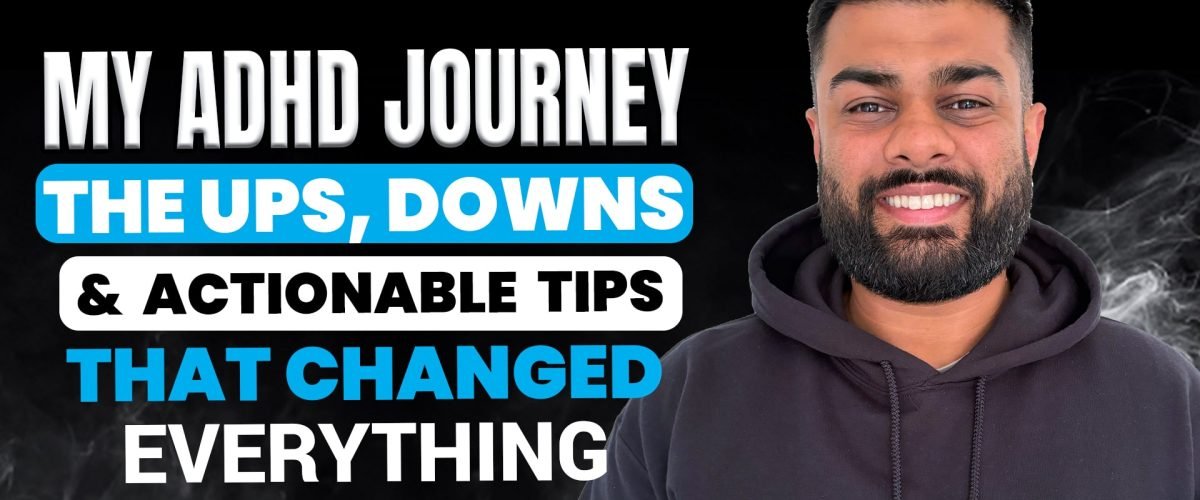
People sometimes ask me whether I see ADHD as a superpower or a burden. My honest answer is that it depends on the day.
There are times when my brain gives me energy, curiosity and an intense interest in something that matters. The same intensity can leave me exhausted or unable to move my attention long after I should have stopped. I can have ideas faster than I know what to do with them, then struggle with a basic task that does not interest me.
That is why I find the “superpower” conversation difficult. Recognising strengths can feel freeing after years of hearing what is wrong with you, but positive language should not hide the parts of ADHD that can disrupt work, relationships and everyday life.
ADHD is neither a gift I must celebrate every day nor a curse that defines me. Living with it means understanding both the possibilities and the difficulties.
This is my experience rather than medical advice. ADHD affects people differently, and what helps me will not automatically be right for somebody else. If you are wondering whether ADHD may be affecting your life, the NHS information on ADHD in adults is a sensible place to start before speaking with a GP or qualified specialist.
ADHD stands for attention deficit hyperactivity disorder. It is a neurodevelopmental condition, which means it relates to how the brain develops and functions. It is not simply a mental health condition, although living with unsupported ADHD can affect mental wellbeing and may exist alongside anxiety, depression or other conditions.
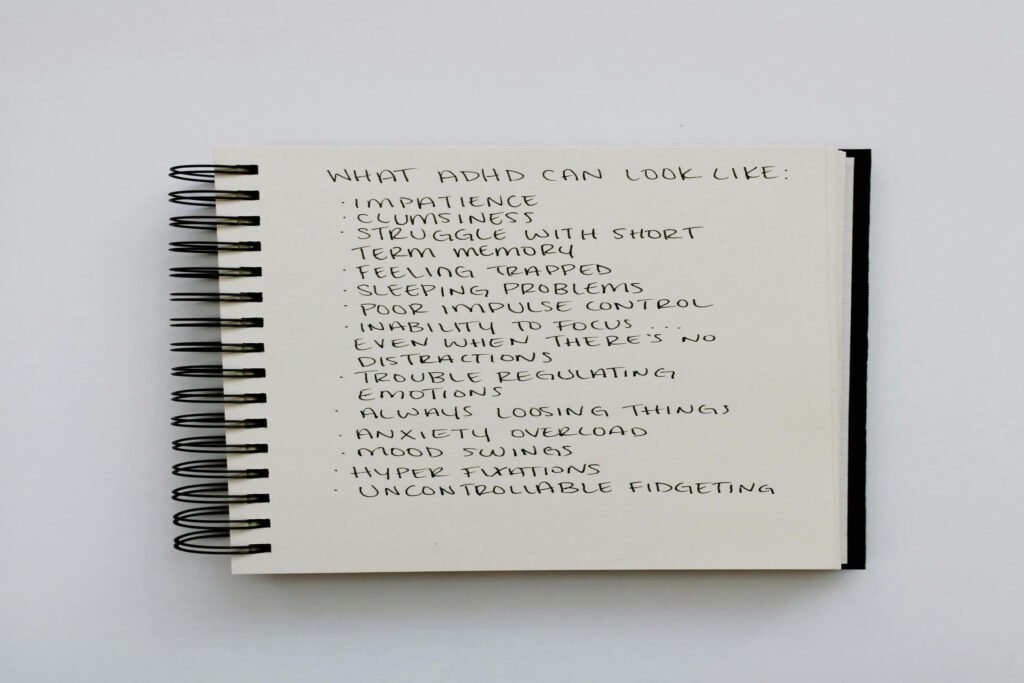
The common signs involve attention, activity levels and impulse control. Adults may be easily distracted, struggle to organise time or finish tasks, feel restless, interrupt more than intended or make decisions without considering what happens next.
The word “disorder” can feel uncomfortable. It does not mean somebody with ADHD is broken, but I also will not pretend the condition never causes disorder in my life. Sometimes it does.
Greater awareness has helped adults recognise experiences they could not previously explain. I hear people question whether too many are seeking a diagnosis. That does not bother me. I would rather somebody explore what is happening than continue blaming themselves.
An online checklist or social media video cannot diagnose ADHD. NICE guidance says an adult diagnosis should be made by an appropriately qualified healthcare professional with relevant training, based on a full clinical and psychosocial assessment, developmental history and how the person is affected across different areas of life. The NICE guidance on ADHD diagnosis and management also recognises that symptoms should have begun in childhood, even when the person was not diagnosed at the time.
That last point matters to my story because I did not suddenly become neurodivergent as an adult. The signs were there throughout my childhood. I just did not have the language to understand them.
As a child, I was constantly busy and curious. My mind always seemed to be searching for the next thing to touch, dismantle or investigate. That curiosity did not necessarily translate into good schoolwork. It often translated into trouble.
I once put a slice of bread into a DVD player. In case you are wondering, it does not turn into toast. I also took toys apart to see what was inside, although putting them back together was less interesting. To adults, I looked like a child who would not listen or sit still.
School was difficult. I talked constantly, interrupted and lost interest when the teaching did not connect with me. I did not hate learning; I struggled with the structure through which I was expected to learn.
By my teenage years, I had developed a strong dislike of education. There were days when I would sign into school and then leave because I could not see the point of staying. I failed my GCSEs more than once and carried the belief that I was not academic or capable. I did not finally pass them until I was 29.
I do not use ADHD to excuse every choice or consequence. Understanding it simply helps me see why certain environments felt so difficult and why shame or punishment never taught me what I needed.
After struggling with my GCSEs, I ended up at college training to become an electrician. For the first time, learning made sense.
The timetable was flexible, the subject practical and I could connect theory to something physical. My lecturer’s passion held my interest, and I finished the course a month early.
That experience challenged the story I had been telling myself. I was not incapable of learning. I needed purpose, interest and a way to connect information to the real world.
Electrical work gave me fault-finding, movement and variety. When something captured my attention, I could work at it for hours. People often call this hyperfocus. It is not a core diagnostic symptom, but it is a familiar ADHD experience for many people, including me.
Intense focus does not always know when to stop. I could work without eating, taking a break or noticing exhaustion. It helped me solve complicated faults but could also lead towards burnout.
This is an important difference. ADHD is not simply a lack of attention. In my life, it has often felt more like difficulty directing and regulating attention. I can struggle to begin something routine while finding it almost impossible to step away from something interesting.
Alongside college, I worked seven days a week, from early newspaper rounds to shifts at a bowling alley. It showed drive, but there was instability too.
When something upset me, I could go to work in the morning and come home having quit. I would find another job and eventually repeat the pattern.
I did not have a pause between feeling and action. If I was angry or frustrated, the immediate decision felt reasonable. Regret arrived when the emotion settled and I saw the consequences.
That pattern affected professional and personal relationships. Walking away helped me escape the discomfort of a problem, but it did not teach me how to work through disagreement, communicate what I needed or decide from a calmer place.
Diagnosis did not remove my impulsivity; it helped me notice it. I now create time between reaction and decision by writing down what I want to say or speaking to somebody I trust before making a choice that is hard to reverse.
The turning point came at a family gathering. My brother-in-law told me, fairly casually, that he thought I had ADHD after I had dominated the conversation for most of the evening.
I initially treated it as a joke, but the comment stayed with me. I began reading about ADHD and recognised a surprising amount of my childhood and adult life. I then chose to see a specialist and received a formal diagnosis in my late twenties.
I did not strongly recognise constantly losing or forgetting things. My OCD affects that area differently: I write things down, organise and repeatedly check because uncertainty feels uncomfortable. OCD does not simply make somebody tidy; it brings its own intrusive thoughts, compulsions and distress. My two conditions can pull in opposite directions while feeding each other.
The diagnosis brought relief, fear and confusion. It explained experiences reaching back to childhood, but an explanation is not an instruction manual. I still had to understand what it meant for my relationships, career and identity.
There was also sadness. I thought about the younger version of me who had been labelled naughty, disruptive or incapable. I wondered how things might have felt if somebody had recognised that I needed a different kind of support. I cannot rewrite that part of my life, but I can understand it with more compassion now.
People often ask whether I take medication for ADHD. I do not, and I never have. That is a personal choice, not a judgement on anybody who takes it.
Medication can make a meaningful difference for many adults. NHS guidance says ADHD medicines must be started and monitored by a specialist. NICE recommends medication when symptoms still cause significant impairment after environmental changes, while also recognising non-medication support where appropriate.
There is no prize for managing without medication, just as taking medication does not mean somebody has failed. The right decision should be informed, individual and discussed with an appropriately qualified professional.
I explored coaching, therapy, education and routine changes. I reduced caffeine and sugar to understand how they affected my energy and sleep, not as a treatment to recommend to everyone. Lifestyle can support wellbeing but does not replace specialist assessment or prescribed treatment where needed.
Finding an ADHD coach changed the way I understood my condition. Until then, I had plenty of examples of what went wrong but very little language for why it happened or what I could try differently.
Coaching went beyond productivity. We explored childhood, emotions, work, relationships and identity. I learned where structure helped, where it became too rigid and how to notice when I was pushing too far.
I brought my partner to some sessions because ADHD affects relationships too. We gained a shared language for interruptions, impulsive decisions and periods of intense focus. The aim was understanding and clearer communication, not for my partner to manage me.
Support did not turn ADHD into something easy. It reduced the confusion and shame around it. That difference has been significant.
My thoughts move quickly, and my speech tries to keep up. I can talk too fast, interrupt or give far more detail than expected. When I am excited, slowing down is difficult.
My emotions can also feel intense. A positive moment may create an enormous high, while disappointment can hit with a force that seems out of proportion from the outside. Emotional regulation is not one of the three core symptom groups used to define ADHD, but difficulty managing emotions is part of my lived experience and an area I continue to work on.
Impulsivity appears in purchases, decisions and the urge to act immediately on a new idea. Hyperfocus can lead to productive days, but it can also mean working for twelve hours, ignoring hunger and convincing myself I am fine until I stop. Burnout then seems to arrive suddenly, even though the warning signs were present.
I may speak confidently in front of people and still feel anxious entering a room where I know everybody. Sometimes I withdraw because managing the noise and conversations feels exhausting.
Then there is masking: watching how much I speak and trying to appear calmer or more organised than I feel. Constant self-monitoring is exhausting and can make you wonder whether people know you or only the edited version.
None of these experiences belongs to every person with ADHD. They are simply the ways it often shows up in me.
ADHD has shaped qualities I value in myself. I am curious, creative and often quick to find another route when the obvious answer is not working. Those qualities suited fault-finding as an electrician and now help me think about different ways Onward Shift can reach people across construction.
When I believe in something, I bring energy and commitment. I can absorb a subject quickly, adapt when environments do not fit and notice feelings beneath the surface.
I am careful about saying ADHD automatically creates these strengths. Neurodivergent people are not all creative, energetic or resilient, and nobody should feel pressured to discover a hidden talent to justify their condition. These are characteristics I recognise in myself, shaped by ADHD alongside my personality, upbringing and experiences.
The aim is not to turn every difficulty into a positive. It is to see the whole person rather than only a list of deficits.
The most useful change has been moving important information out of my head. I write things down, use reminders and break larger jobs into visible steps. If a task feels vague, I make the first action as specific as possible. “Work on the website” can feel endless; “rewrite the first paragraph of the home page” gives my brain somewhere to begin.
Routine helps when it has enough flexibility. I protect sleep, move my body and try to rest before I am drained. Self-awareness means noticing the pattern sooner, not never repeating it.
Reducing distractions also matters, particularly for paperwork or detailed tasks. On a construction site, any strategy must remain safe. Blocking out sound may be appropriate in an office but dangerous around plant, vehicles or alarms. The solution must fit the environment rather than being copied blindly from generic ADHD advice.
Speaking openly reduces assumptions when I need written information, processing time or clear priorities. Understanding ADHD does not remove accountability; it creates a fairer route towards meeting it.
Small workplace changes can make a considerable difference. Clear written instructions alongside verbal briefings, larger tasks broken into stages, realistic priorities, warning about changes where possible and a quieter space for paperwork may all help. The right adjustment will depend on the person and the role.
Acas guidance on neurodiversity adjustments explains that employers should consider both a person’s strengths and the areas where support is needed. It also makes clear that somebody does not necessarily need a formal diagnosis before an employer considers support. Employers and workers should discuss possible adjustments together and review whether they are actually helping.
In construction, that conversation must include safety and the reality of the task. A worker cannot always choose a quiet environment or change the start time of a critical operation. But there may still be room for clearer sequencing, consistent checklists, agreed methods for recording information and fewer unnecessary last-minute changes.
Managers do not need to become ADHD experts. Listening, avoiding assumptions and asking what would help are good places to begin. The person may still be learning the answer themselves, particularly after a late diagnosis.
Receiving a diagnosis did not complete the journey. I still speak too quickly, become fixated, act impulsively and miss the point where productive focus becomes exhaustion. The difference is that I understand the pattern more clearly and have people and strategies that help me respond.
I no longer see ADHD as something that happens to me without explanation. Nor do I pretend I can control every part of it through willpower. I work with what I know, stay curious and try to make decisions that protect my relationships, health and work.
Sharing this story is part of that process. Somebody reading it may recognise their own experience. A partner may better understand the person they live with. A manager may reconsider a worker they previously labelled difficult or disorganised.
If you are exploring ADHD, take your questions to somebody qualified rather than relying only on social media or another person’s story, including mine. Personal stories can help us feel recognised, but proper assessment and individual support matter.
You can hear more lived-experience conversations through the Onward Shift Podcast or explore our support for people. Onward Shift also works with neurodiversity coaches, including Jill Morrow and Victoria English, for people who want practical, individual guidance.
ADHD is part of my life, but it is not the only explanation for who I am. I am still responsible for my choices, still capable of change and still learning when to lean into my energy and when to step back.
Some days I manage that better than others. That is the honest reality of living with ADHD.
“Work stays at work. Home stays at home.” We have all heard some version of that sentence. It sounds sensible. Keep things separate, stay professional

The Conversation Men Are Still Avoiding Let’s be honest. When most men hear the word therapy, they don’t immediately think, “That sounds like a good

You start a project expecting pressure. The programme is tight, several trades are working on top of one another and the client wants answers quickly.

In our fast-paced, constantly connected world, it’s easy to overlook one of the most crucial aspects of our well-being: mental health. Often overshadowed by physical health, mental health is just as important, if not more so, in ensuring a balanced and fulfilling life.

Here, we delve into the key differences between nutrition and exercise and explore how they synergise to enhance your well-being.

Construction asks people to adapt every day. Programmes change, materials arrive late, jobs overrun and workers are expected to solve problems while keeping one eye
If you’re feeling overwhelmed or need someone to talk to, there are organisations that offer free, confidential support for mental health challenges, especially for professionals in high stress industries like construction and engineering. Here are some options available:
Provides a 24/7 confidential listening service for anyone struggling with their mental health or in distress.
A free and confidential text-based crisis support service available 24/7.
The Lighthouse Construction Industry Charity provides vital support to construction workers and their families, offering financial assistance, mental health support, and occupational health advice.
Mates in Mind works to improve mental health awareness within the construction sector. They provide training and resources to help businesses and workers address mental health challenges.
B&CE’s Construction Worker Helpline offers free support and guidance for industry workers facing financial difficulties, stress, or personal challenges. Available from 8am-8pm, 7 days a week.
Provides confidential advice and financial assistance for people working in the electrical industry.
The Rainy Day Trust provides financial assistance and support to those working in the home improvement, construction, and allied trades industries.
CRASH helps homelessness charities and hospices by providing construction-related assistance, offering expertise and materials for vital building projects.
This organisation helps young people discover career opportunities in the construction industry, breaking down stereotypes and offering pathways into the trade.
Offers emotional support and guidance for anyone affected by bereavement.
Provides 24/7 support for individuals struggling with gambling-related issues.
At AA, alcoholics help each other. We will support you. You are not alone. Together, we find strength and hope. You are one step away.
A free listening service for individuals experiencing suicidal thoughts, open from 6pm to midnight daily.
A helpline offering support and information to LGBTQIA+ individuals on topics like mental health, relationships, and identity.
Provides young people with advice and support on topics such as mental health, finances, relationships, and homelessness.
The construction industry can be both rewarding and challenging but no one should have to face difficulties alone. Whether you need financial help, mental health support or career guidance, these organisations are here to assist you. If you or someone you know is struggling, don’t hesitate to reach out. If you found this list helpful, consider sharing it with colleagues or on social media to spread awareness. Let’s build a stronger, healthier construction industry together!
Helping construction, one conversation at a time.
Helping construction, one conversation at a time.
We use cookies to make our website work properly, improve performance and personalise your experience. You can accept all cookies or manage your preferences.