

Reevaluating Hustle Culture: Finding Balance in Mental Health, Career and Business Ownership
There was a period in my life when being busy felt like proof that I was doing well. I would work long days, miss social
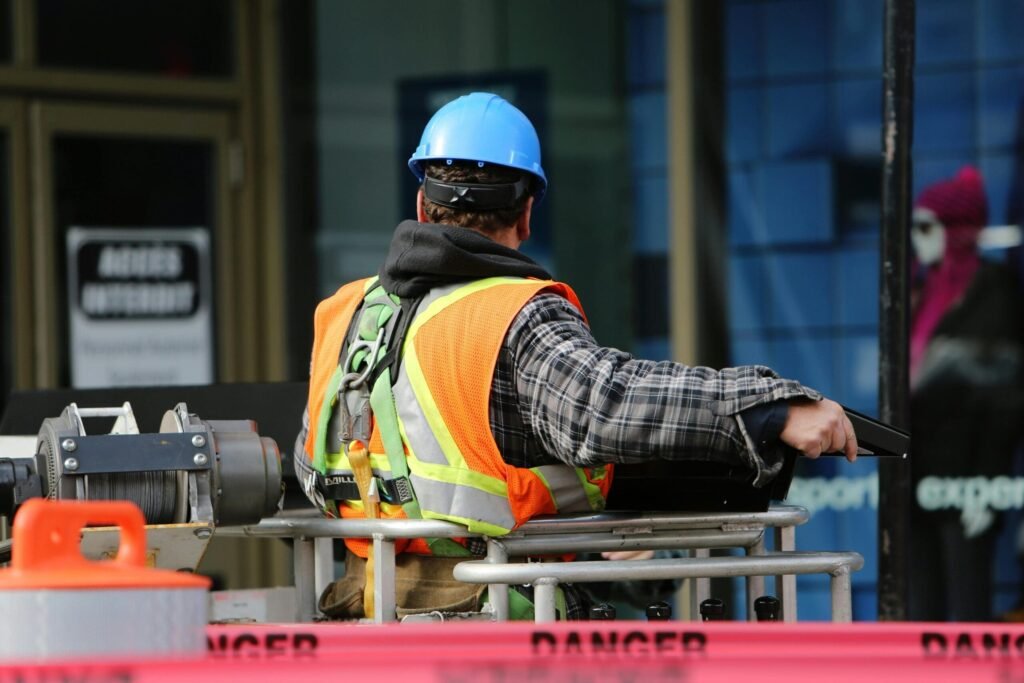
“Work stays at work. Home stays at home.”
We have all heard some version of that sentence. It sounds sensible. Keep things separate, stay professional and do not bring your problems onto site.
The trouble is, people do not work like light switches.
You can put on your boots, pull on your high-vis and sign in for the day, but you cannot always switch off an argument at home, a growing pile of bills, a relationship breaking down or the worry that kept you awake half the night. In the same way, the pressure of a difficult shift does not magically disappear when you leave the site gate. It can follow you into the van, through the front door and into the evening with your family.
Work and life affect each other because they happen to the same person.
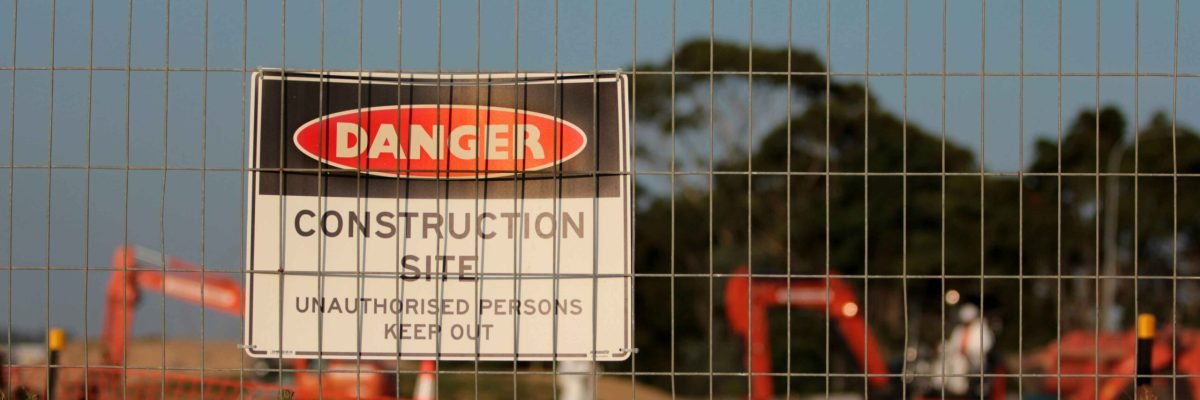
That matters in every job, but it matters greatly in construction. The work can involve heights, live services, moving vehicles, heavy equipment, temporary works and decisions that have to be made quickly. Attention, communication and judgement are not optional extras. They are part of how everyone gets home safely.
This does not mean that a person experiencing anxiety, depression or any other mental health condition is automatically unsafe. That assumption is wrong and only creates more stigma. Many people manage mental health conditions while doing their jobs safely and extremely well.
The real issue is whether fatigue, severe stress, emotional distress, poor sleep and excessive pressure are being recognised and managed. If a company treats those factors as private weaknesses instead of foreseeable workplace risks, it misses an important part of safety.
At Onward Shift, we believe mental wellbeing has to be part of the everyday construction conversation. Not because mental health replaces physical safety, but because the two are often connected.
Construction has spent decades improving physical safety. We have better equipment, clearer regulations, more formal training and stronger systems than previous generations had. Those changes have saved lives, and the industry must never become complacent about them.
The latest provisional figures from the Health and Safety Executive show why. Twenty-five construction workers were killed in work-related accidents in Great Britain during 2025/26, the highest number recorded for any main industry that year. Across all sectors, falls from height remained the leading kind of fatal accident. These figures are provisional, but the message is already clear: physical safety still demands our full attention.
Yet safety is not only about whether a guardrail is fitted, a harness has been inspected or a method statement has been signed. It is also about the conditions in which people are expected to use those controls.
Was the programme realistic? Had the team worked excessive hours? Were there enough people to complete the task safely? Did the latest design change reach everyone? Could a worker raise a concern without being treated as difficult? Was the supervisor under so much pressure that the morning briefing became a rushed formality?
These are not “soft” questions. They are safety questions.
We need to be very careful with the language used around this subject.
It would be irresponsible to suggest that workers with mental health conditions are a danger to themselves or the people around them. That kind of message can make people hide what they are experiencing, avoid asking for help and worry that honesty will cost them their job.
What we should be talking about is capacity, working conditions and support.
Anyone can have a bad night’s sleep. Anyone can become overloaded by impossible deadlines. Anyone can struggle to concentrate after a bereavement, a relationship breakdown or months of financial pressure. A person does not need a diagnosis for those circumstances to affect how they feel and function.
Equally, somebody receiving treatment for depression or anxiety may be rested, focused, experienced and fully able to work safely. Good safety management looks at the actual task, the person’s current capacity and the controls available. It does not rely on labels or assumptions.
This distinction matters. The goal is not to monitor people’s emotions or demand details about their private lives. It is to build a workplace where somebody can say, “I’m not fully with it today,” before being asked to carry out a safety-critical task, and know that the response will be sensible rather than punishing.
The HSE describes human factors as the environmental, organisational, job and individual characteristics that influence behaviour in ways that can affect health and safety. In plain English, it means looking at the task, the person doing it and the organisation around them.
That wider view is important because incidents rarely come down to one careless individual making one bad decision. The final action may be visible, but the conditions behind it are often less obvious.
Time pressure can make shortcuts feel normal. Poorly planned work can leave teams improvising. Constant change can create confusion about which information is current. Low staffing can push people into overtime. Weak welfare facilities can make proper recovery almost impossible. A culture that rewards “cracking on” at any cost can stop people from reporting that they are tired, unwell or unsure.
HSE guidance on managing human failures makes a vital point: everyone can make errors, no matter how well trained or motivated they are. It recommends identifying the factors that make errors more likely, including distraction, time pressure, workload, noise, morale and communication systems, then redesigning the task or introducing controls.
That is a far more useful response than stopping at “operator error”. Blaming the last person in the chain might be quick, but it does not prevent the same conditions from causing another incident.
There is still a culture in parts of construction that treats exhaustion as proof of commitment. Early starts, long drives, overtime, weekend shifts and late finishes are spoken about as if the person who copes with the least rest is the strongest.
But fatigue is not a character test.
According to the HSE’s guidance on fatigue, excessive working time and poorly designed shift patterns can reduce both mental and physical performance. Fatigue can slow reaction times, reduce attention, make it harder to process information, cause memory lapses and lead people to underestimate risk. HSE is also clear that fatigue should be managed like any other hazard and that the duty sits with employers, regardless of whether a worker says they are willing to do the extra hours.
That last point matters in construction. People may accept overtime because money is tight, because they do not want to let the team down or because refusing feels risky when future work is uncertain. Consent to another shift does not automatically make the arrangement safe.
Good fatigue management means looking honestly at shift length, breaks, travel, overtime, consecutive working days, night work and the time available for recovery. It also means recording hours properly across a workforce that may include employees, subcontractors and self-employed workers. If somebody finishes a long shift and then faces a two-hour drive home, the risk does not end at the site gate.
No mindfulness session can compensate for a programme that depends on chronic exhaustion.
Employers cannot solve every difficulty in a worker’s personal life, and they should not try to intrude into it. They can, however, recognise that outside pressures sometimes affect a person’s day at work.
Financial worries are a clear example. A delayed payment, insecure work or rising household costs can dominate someone’s thoughts. Relationship problems, caring responsibilities, grief, loneliness and health concerns can do the same. A worker travelling from project to project may spend long periods away from the people they rely on. Somebody else may be sleeping badly because their accommodation is noisy, overcrowded or far from site.
The answer is not for a manager to become a counsellor. It is for managers to make it possible for people to speak early, understand what adjustments or support are available and know how to respond appropriately.
Sometimes the useful response will be a private conversation. Sometimes it may be changing a task, allowing time for an appointment, reviewing a shift or helping somebody access confidential professional support. The important thing is that the person is listened to and the immediate situation is considered without judgement.
Work can also create or intensify the pressure that follows somebody home. Unrealistic programmes, aggressive communication, bullying, poor planning, uncertain hours and late payment do not stay neatly inside the workplace. They can affect sleep, relationships, confidence and physical health. So while employers cannot control life outside work, they must take responsibility for the conditions they create within it.
The Construction Leadership Council’s Mental Health Joint Code of Practice gives the industry a useful framework for doing this properly. Rather than relying only on awareness days and crisis support, it asks organisations to identify and manage the working conditions that can cause psychological harm.
The Code groups common psychosocial hazards into five broad areas: working patterns; operational demands; people and the work environment; financial issues; and the support available to workers. That captures much of what construction teams face in real life, from long hours and remote work to unrealistic deadlines, poor communication, bullying, payment uncertainty and a lack of recovery time.
The important word here is prevention.
Construction is used to planning, doing, checking and acting. The same discipline can be applied to mental health. Identify the hazard. Decide who may be affected. Put controls in place. Check whether they work. Improve them when circumstances change.
In practical terms, prevention can begin before anybody arrives on site. Clients and principal contractors can test whether programmes and budgets are realistic at tender stage. Project teams can plan adequate staffing and recovery time. Procurement teams can consider the mental health consequences of poor payment practices. Managers can monitor hours and workload. Site teams can provide dignified welfare facilities and clear communication. Leaders can challenge bullying and disrespect rather than dismissing them as part of the industry.
The further upstream a risk is addressed, the less pressure is placed on an individual worker to somehow become resilient enough to tolerate it.
When an incident or near miss occurs, asking whether “mental health caused it” is usually the wrong starting point. It is too broad, potentially stigmatising and unlikely to reveal the full picture.
A better investigation looks at the conditions that influenced performance.
How many hours had the people involved worked? Were they getting enough rest? Had the task changed? Was the information clear and current? Was the workload manageable? Did noise, heat, pain or medication affect concentration? Was there enough supervision? Had concerns been raised previously? Did the culture make it difficult to stop the job?
This approach does not remove personal accountability. It gives accountability context. It helps a business understand why an error became more likely and what needs to change in the system.
If every investigation ends with retraining one worker, telling everyone to be more careful and putting up another poster, the underlying problem may remain untouched.
Managers and supervisors are not expected to diagnose mental illness. Their role is to notice change, create an opportunity to talk and follow the company’s process.
A usually chatty person becoming withdrawn may be worth checking in with. So might a sudden drop in concentration, repeated mistakes, unusual irritability, lateness or someone appearing completely exhausted. None of these signs proves that a person has a mental health condition. They are simply reasons to ask a human question in private.
“You don’t seem yourself today. Is anything affecting you, and is there anything we need to consider before you start this task?”
The response matters as much as the question. If speaking up leads to ridicule, lost shifts or being labelled unreliable, people will quickly learn to stay silent. If it leads to a calm conversation, fair decisions and genuine support, they are more likely to raise issues before they become crises.
Training can help managers feel more confident, but it has to be backed by authority. A supervisor cannot reduce workload, stop excessive overtime or change a damaging programme if senior leadership continues to reward delivery at any cost.
The strongest approach combines prevention, early intervention and access to appropriate support.
Prevention means including psychosocial hazards in risk assessments, project risk registers and planning meetings. It means assessing fatigue instead of treating long hours as normal. It means designing achievable programmes, staffing work properly and giving workers enough time to recover.
Early intervention means creating regular opportunities for honest conversation. A mental health check-in can sit alongside a safety briefing, but it should not become a forced public disclosure. Some people will speak in a group; others will only talk privately. Both should be respected.
Support means giving people a confidential route to professional help and making sure the workforce knows how to access it. That offer should include subcontractors and self-employed people where possible, because a two-tier wellbeing system will miss a large part of the construction workforce.
Most importantly, companies must connect what they hear to what they change. If workers repeatedly say that deadlines, travel, poor communication or payment issues are damaging their wellbeing, another resilience webinar is not an adequate response. Listen to the pattern and address the cause.
Onward Shift’s support for construction companies is built around the realities of the industry. We understand the language, the pressure and the reasons people can be reluctant to engage with anything labelled “mental health”. Our role is to make conversations feel honest, relevant and useful rather than corporate or clinical.
Our mental health toolbox talks can help teams discuss subjects such as stress, burnout, fatigue, stigma and spotting signs of struggle in a format that fits the working day. Our keynote speakers use lived experience and practical insight to reach larger teams and leadership groups. Companies looking for a wider programme can explore the Onward Shift workplace wellbeing offer.
Talks and training can open the door, but we will always be honest about what they can and cannot do. A powerful session should lead to action. It cannot repair unsafe hours, poor planning or a damaging culture on its own.
For people who want one-to-one help, Onward Shift also provides routes into private counselling and coaching for people in construction. These services give individuals space to work through what they are experiencing, while workplace improvements address the wider conditions around them.
We need both.
Workers have a role in speaking up about fatigue, reporting hazards, taking breaks and looking out for their mates. Employers have a responsibility to make those actions possible and safe.
It is unfair to tell people to take responsibility for their mental health while giving them no control over their hours, workload, deadlines or working environment. It is equally unhelpful to suggest that organisations can solve everything without involving the people doing the work.
The best safety cultures are built together. Workers bring experience of the task. Supervisors see the daily pressures. Leadership controls priorities and resources. Clients influence programmes and commercial expectations. Each part of the chain can either reduce risk or pass more of it downwards.
“Everyone home safe” is one of the most important commitments in construction. We should mean it fully.
It means preventing falls, controlling machinery, managing live services and planning safe lifting. It also means recognising fatigue, reducing excessive pressure, creating respectful workplaces and giving people a safe route to say when something is wrong.
Mental health should not be treated as a separate campaign that sits beside safety for one week of the year. It belongs in planning, procurement, supervision, incident investigation, welfare and leadership.
Work and life are not separate switches. Our minds do not clock off on command, and the pressures of a project do not always stay behind the hoarding.
The industry cannot remove every difficult day, but it can create conditions in which people are more able to work safely, speak honestly and access support before reaching breaking point.
That is not lowering standards. It is building a stronger safety system around real human beings.
If your company wants to make mental wellbeing a practical part of site culture, contact Onward Shift and let’s start the conversation.
There was a period in my life when being busy felt like proof that I was doing well. I would work long days, miss social

The Conversation We Cannot Afford to Avoid World Suicide Prevention Day is an opportunity to talk about a subject that many people still find uncomfortable.

Running your own business can give you freedom, purpose and the chance to build something that reflects who you are. It can also feel incredibly

“Work stays at work. Home stays at home.” We have all heard some version of that sentence. It sounds sensible. Keep things separate, stay professional

A Call to Rethink How People Are Expected to Work Construction relies on standards. We work to drawings, regulations, programmes and agreed methods because consistency

The Warning Signs We Would Never Ignore on Site If someone walked onto a construction site wearing damaged PPE, working near exposed live cables or
If you’re feeling overwhelmed or need someone to talk to, there are organisations that offer free, confidential support for mental health challenges, especially for professionals in high stress industries like construction and engineering. Here are some options available:
Provides a 24/7 confidential listening service for anyone struggling with their mental health or in distress.
A free and confidential text-based crisis support service available 24/7.
The Lighthouse Construction Industry Charity provides vital support to construction workers and their families, offering financial assistance, mental health support, and occupational health advice.
Mates in Mind works to improve mental health awareness within the construction sector. They provide training and resources to help businesses and workers address mental health challenges.
B&CE’s Construction Worker Helpline offers free support and guidance for industry workers facing financial difficulties, stress, or personal challenges. Available from 8am-8pm, 7 days a week.
Provides confidential advice and financial assistance for people working in the electrical industry.
The Rainy Day Trust provides financial assistance and support to those working in the home improvement, construction, and allied trades industries.
CRASH helps homelessness charities and hospices by providing construction-related assistance, offering expertise and materials for vital building projects.
This organisation helps young people discover career opportunities in the construction industry, breaking down stereotypes and offering pathways into the trade.
Offers emotional support and guidance for anyone affected by bereavement.
Provides 24/7 support for individuals struggling with gambling-related issues.
At AA, alcoholics help each other. We will support you. You are not alone. Together, we find strength and hope. You are one step away.
A free listening service for individuals experiencing suicidal thoughts, open from 6pm to midnight daily.
A helpline offering support and information to LGBTQIA+ individuals on topics like mental health, relationships, and identity.
Provides young people with advice and support on topics such as mental health, finances, relationships, and homelessness.
The construction industry can be both rewarding and challenging but no one should have to face difficulties alone. Whether you need financial help, mental health support or career guidance, these organisations are here to assist you. If you or someone you know is struggling, don’t hesitate to reach out. If you found this list helpful, consider sharing it with colleagues or on social media to spread awareness. Let’s build a stronger, healthier construction industry together!
Helping construction, one conversation at a time.
Helping construction, one conversation at a time.
We use cookies to make our website work properly, improve performance and personalise your experience. You can accept all cookies or manage your preferences.