


Breaking Barriers: Mental Health, Coaching and Changing Times!
The first time I told my mum that I needed help with my mental health, I was 24. I had spent a long time trying
People often say, “The past is the past. Leave it behind and move on.”
It sounds simple, but life rarely works like that. We do not wake up one morning, decide an experience no longer matters and walk away untouched. What happened to us can influence how safe we feel, how much we trust people, how we respond to pressure and what we believe we deserve. Some memories remain in the body long after the event itself has ended.
So when I say your past does not have to define you, I am not saying it did not shape you. I am not asking you to forget it, turn it into a positive story or pretend that everything happens for a reason.
I am saying that what happened before does not have to decide everything that happens next.
There is a difference between acknowledging the influence of our past and handing it permanent control. Understanding that difference took me years. It involved construction, business, mental health struggles, therapy and eventually building Onward Shift. None of those stages removed what came before. They changed the relationship I had with it.
My dad died from cancer when I was around two years old, and I was raised by my mum on a council estate in Walthamstow. Childhood included poverty, bullying and domestic violence. I failed my GCSEs and spent years feeling as though I was behind other people without really understanding why certain situations affected me so deeply
At the time, I did not think of those experiences as things I needed to process. They were simply my life. Like many people, particularly many men, I became good at getting on with what was in front of me.
Construction gave me somewhere to put my energy. I became an electrician, developed a trade and gradually proved to myself that I was capable. I later built my own electrical business, served hundreds of customers and created something I could be proud of.
Achievement changed parts of my life, but it did not automatically heal the parts of me that were hurting.
You can become skilled, reliable and successful while still carrying fear, shame or sadness from years earlier. You can be the person everybody calls when a job goes wrong and still have no idea what to do with your own emotions. You can build a business, earn good reviews and appear confident while privately questioning whether you are enough.
That was one of the hardest things for me to understand. I believed moving forward professionally meant I had moved on emotionally. They were not the same thing.
The past does not always return as a clear memory. Sometimes it appears as a reaction that feels bigger than the situation in front of us.
It may be the panic that rises when somebody criticises your work, even when the criticism is fair and calmly delivered. It might be the need to control every detail because uncertainty once felt dangerous. It can look like working far beyond your limits because achievement has become how you prove your worth. It may show up as withdrawing from people, becoming defensive or expecting rejection before it happens.
For years, I experienced anxiety without fully understanding what sat underneath it. I also lived with ADHD and OCD before receiving diagnoses later in life. Those diagnoses did not explain every part of me, but they helped me understand why some things I had judged as personal failures were actually patterns that needed support and different strategies.
Looking back did not mean blaming my childhood for every decision. It meant becoming curious about why I responded in certain ways. That curiosity gave me more choice in the present.
There is a useful question here: “What is this reaction trying to protect me from?”
The answer will not always be buried in the past. Sometimes a difficult job is simply a difficult job, and sometimes anger is a reasonable response to how somebody has treated us. However, when the same pattern keeps appearing across different situations, it may be worth exploring where it began and what keeps it alive.
There is a popular idea that every painful experience makes us stronger. People say adversity builds character or that we would not be who we are without what happened.
I understand the hope behind those words, but they can place another burden on somebody who is already hurting. They suggest we must find a gift inside every loss, betrayal or traumatic experience. If we cannot, it can feel as though we are failing at recovery.
Some things should not have happened. Some experiences leave consequences we never asked to carry. We do not need to be grateful for the pain to recognise the strength, insight or compassion we developed while surviving it.
Onward Shift grew partly from my experience of mental health struggles and the lack of support I saw in construction. I can now use parts of my story to help other people feel less alone. That gives the story meaning, but it does not make the suicidal thoughts, anxiety or childhood experiences necessary. I would never tell somebody that their suffering was worth it because it may help another person one day.
Meaning is something we may choose to create afterwards. It is not a debt we owe to what hurt us.
The original version of this article used a strong mantra: today I move forward, tomorrow I move forward and I keep moving forward. I still believe in progress, but I now see it differently.
Moving forward is not always visible. It does not always look like a bold decision, a new career or a dramatic fresh start. Sometimes it is attending the first therapy session and barely speaking. It may be telling one trusted person that you are struggling, noticing an old pattern before acting on it or choosing to rest when your usual response would be to work harder.
There may also be periods when it feels as though you are moving backwards. A smell, anniversary, conversation or stressful event can bring old feelings back. That does not erase the work you have already done. Healing is rarely a straight route from pain to peace.
The Royal College of Psychiatrists explains that recovering from trauma does not mean forgetting the event or never finding it upsetting. Recovery can mean that thinking or talking about it no longer causes extreme distress or stops somebody doing the things they enjoy. Although its guidance is written for children, young people and their carers, that distinction is valuable at any age.
We can carry a memory without allowing it to control the direction of every day.
It can feel empowering to say that we are the authors of our future. We do make choices, and those choices can gradually change a life. We should still be careful not to turn that message into blame.
People do not begin from the same place. Poverty, discrimination, disability, poor health, caring responsibilities and a lack of opportunity all affect which choices are genuinely available. Trauma can also narrow a person’s sense of safety and possibility. Telling somebody to choose differently without understanding those conditions can make a difficult life sound like a failure of mindset.
I did make choices that changed my direction. I trained as an electrician. I built a business. I entered therapy. I started Onward Shift. Each choice mattered, but none happened in isolation. Other people taught me, listened to me, gave me opportunities and supported me when I did not have everything worked out.
Personal responsibility and support can exist together. Accepting help does not take ownership of your life away from you. It can make new choices possible.
The most useful question may not be, “How do I completely reinvent my life?” It may be, “What is one decision available to me now?”
That decision could be making an appointment, applying for a course, apologising, changing a routine or speaking honestly. It may feel small compared with the future you want, but most lives change through repeated ordinary decisions rather than one fearless leap.
Not everything in the past is something that happened to us. Sometimes we are living with something we did.
We may have hurt somebody, damaged a relationship, lost money, made a serious mistake at work or behaved in a way we no longer recognise. Saying the past does not define us should never become a way to avoid responsibility.
Accountability means being honest about what happened, repairing what can be repaired and changing the behaviour that caused harm. Shame says, “I did something wrong, so I am permanently wrong.” Responsibility says, “I cannot undo that action, but I can decide what I practise from here.”
In construction, mistakes can carry serious consequences, so learning from them matters. A near miss should be reported and understood. Poor workmanship should be corrected. If trust has been damaged, rebuilding it may take time and may not always be possible.
Even then, a person is larger than their worst moment. Growth does not erase consequences, but consequences do not remove the possibility of growth.
This distinction can be difficult when guilt has become part of somebody’s identity. Professional support can help separate useful responsibility from shame that keeps a person trapped without helping anyone.
At the age of 24, I reached a point where I was experiencing suicidal thoughts and did not want to continue living as I was. Beginning therapy became one of the most important decisions of my life.
It was not an instant transformation. I had spent years avoiding certain feelings, so sitting with somebody and speaking honestly felt unfamiliar. Therapy did not give me a new childhood or remove everything that had happened. It helped me understand how those experiences continued to affect my thoughts, relationships and behaviour.
Over time, I began to see myself with more compassion. I could recognise patterns without treating them as proof that something was fundamentally wrong with me. I started learning which responses belonged to an earlier version of my life and which choices reflected the person I wanted to become.
This is one reason I am careful with phrases such as “let go of the past”. They can make healing sound like a single decision. For me, it was a relationship, a process and many uncomfortable conversations. There were realisations followed by setbacks, then further understanding.
The NHS describes counselling as a talking therapy in which a counsellor listens without judgement, tries to understand the person’s point of view and helps them find their own solutions. For people living with PTSD or clinically important trauma symptoms, NICE recommends specific treatments delivered by trained practitioners, including trauma-focused CBT and, in appropriate circumstances, eye movement desensitisation and reprocessing.
Not everybody who has a painful past has PTSD, and no article can decide which support a person needs. The important point is that help exists and that seeking it is not an admission that the past has won. It is one way of reducing the influence it still has.
People sometimes know they want something to change but are unsure what type of support would fit.
Counselling may be appropriate when past experiences, grief, trauma, anxiety, depression or difficult emotions are affecting daily life. It provides room to explore what happened, how it feels and the patterns that may have developed around it.
Coaching generally focuses more on present choices and future goals. It may help somebody who wants clarity, confidence, structure or accountability as they change careers, develop a business or create healthier routines.
The boundary is not always perfectly neat, and the right practitioner should understand the limits of their role. Somebody may use counselling first and coaching later, or use both for different areas of life. What matters is finding support that matches the need rather than forcing every problem into the same method.
Onward Shift’s support for people brings together counselling, coaching, community events and free resources for people in and around construction. Our counselling service offers a confidential place to explore emotional struggles, while coaching can support people who are ready to work towards practical personal or professional change.
Reaching out does not commit you to becoming a different person. It can help you understand the person you already are and decide what you want to carry forward.
As we understand the past, it is easy to become angry with the ways we learned to cope. We may judge ourselves for shutting down, people-pleasing, avoiding conflict, needing control or keeping everybody at a distance.
Those patterns may now create problems, but they often developed for a reason. At an earlier point, silence may have kept you safe. Working constantly may have earned the approval you were missing. Humour may have helped you hide pain in an environment where vulnerability felt dangerous.
You can appreciate why a pattern developed while deciding it no longer belongs in your life. That approach is kinder and often more useful than attacking yourself for not changing sooner.
The person you were deserves understanding. The person you are deserves support. The person you are becoming needs room to make different choices.
I no longer see the future as a blank canvas untouched by the past. We bring our memories, strengths, fears and learned behaviours with us. The aim is to make sure they are not the only things holding the brush.
My past is present in Onward Shift. It helps me understand the worker who cannot find the words, the man who believes he must cope alone and the student who thinks one set of results has already decided his future. It informs the work, but it does not control all of it.
I am still learning. I still have ADHD and OCD. I still experience pressure and periods when old patterns reappear. Growth has not turned me into somebody without struggles. It has helped me notice sooner, communicate more honestly and seek support without the same level of shame.
That is a future worth building. Not a perfect life in which the past has vanished, but a life in which it no longer makes every decision.
You do not need to make the boldest choice today. You do not need to forgive everybody, feel grateful for your pain or have a complete plan for who you will become.
Begin with what is possible. Tell the truth to one safe person. Question one belief you have carried for years. Ask for professional support if the past is affecting your daily life. Make one decision that belongs to who you are now rather than who you had to be then.
Your past matters. It deserves honesty, care and sometimes help to understand.
It can be part of your story without being the ending.
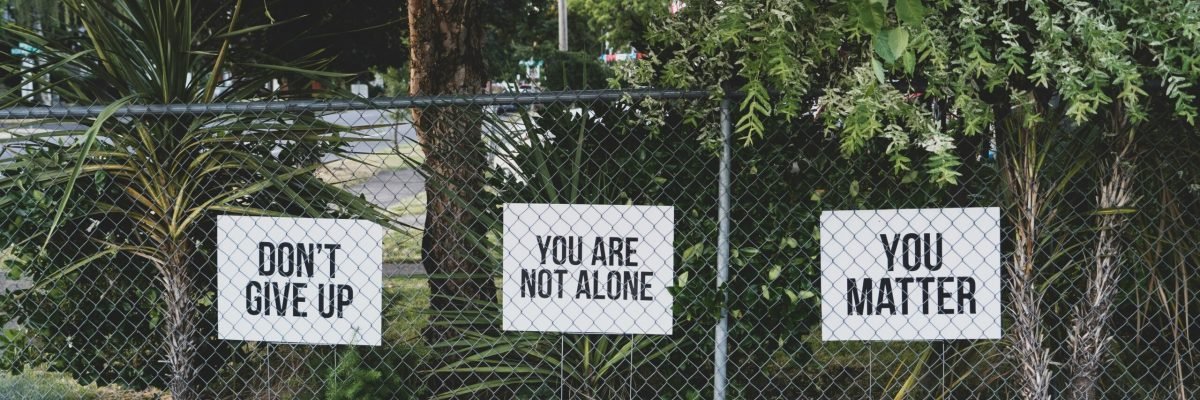
The first time I told my mum that I needed help with my mental health, I was 24. I had spent a long time trying

People often say, “The past is the past. Leave it behind and move on.” It sounds simple, but life rarely works like that. We do

There was a period in my life when being busy felt like proof that I was doing well. I would work long days, miss social

Have you ever started something with so much passion that you could picture exactly where it was going, only to lose sight of that picture

There is a particular kind of tiredness that comes from knowing exactly how the next day will feel before it has even started. The same
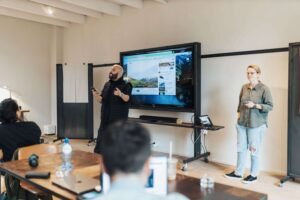
Imagine a project team that has spent months working under a difficult client, dealing with changing instructions and constant pressure to recover time. People are
If you’re feeling overwhelmed or need someone to talk to, there are organisations that offer free, confidential support for mental health challenges, especially for professionals in high stress industries like construction and engineering. Here are some options available:
Provides a 24/7 confidential listening service for anyone struggling with their mental health or in distress.
A free and confidential text-based crisis support service available 24/7.
The Lighthouse Construction Industry Charity provides vital support to construction workers and their families, offering financial assistance, mental health support, and occupational health advice.
Mates in Mind works to improve mental health awareness within the construction sector. They provide training and resources to help businesses and workers address mental health challenges.
B&CE’s Construction Worker Helpline offers free support and guidance for industry workers facing financial difficulties, stress, or personal challenges. Available from 8am-8pm, 7 days a week.
Provides confidential advice and financial assistance for people working in the electrical industry.
The Rainy Day Trust provides financial assistance and support to those working in the home improvement, construction, and allied trades industries.
CRASH helps homelessness charities and hospices by providing construction-related assistance, offering expertise and materials for vital building projects.
This organisation helps young people discover career opportunities in the construction industry, breaking down stereotypes and offering pathways into the trade.
Offers emotional support and guidance for anyone affected by bereavement.
Provides 24/7 support for individuals struggling with gambling-related issues.
At AA, alcoholics help each other. We will support you. You are not alone. Together, we find strength and hope. You are one step away.
A free listening service for individuals experiencing suicidal thoughts, open from 6pm to midnight daily.
A helpline offering support and information to LGBTQIA+ individuals on topics like mental health, relationships, and identity.
Provides young people with advice and support on topics such as mental health, finances, relationships, and homelessness.
The construction industry can be both rewarding and challenging but no one should have to face difficulties alone. Whether you need financial help, mental health support or career guidance, these organisations are here to assist you. If you or someone you know is struggling, don’t hesitate to reach out. If you found this list helpful, consider sharing it with colleagues or on social media to spread awareness. Let’s build a stronger, healthier construction industry together!
Helping construction, one conversation at a time.
Helping construction, one conversation at a time.
We use cookies to make our website work properly, improve performance and personalise your experience. You can accept all cookies or manage your preferences.