

Construction Mental Health Workshops: A Practical Guide
Imagine a project team that has spent months working under a difficult client, dealing with changing instructions and constant pressure to recover time. People are
If you’ve ever sat in your van before a shift, engine running, head racing, wondering how you’re supposed to crack on like nothing’s wrong then you’re not the only one. Construction doesn’t stop just because life gets heavy. The bills still need paying. The lads still expect you to show up. The job still needs doing and most of the time, there’s no space to say, “Actually, I’m not alright.”
Mental health in construction is rarely one big breakdown moment. It’s usually pressure stacking up quietly. Family stuff. Health worries. Money stress. Responsibility. Trying to be strong for everyone else while ignoring what’s going on inside.
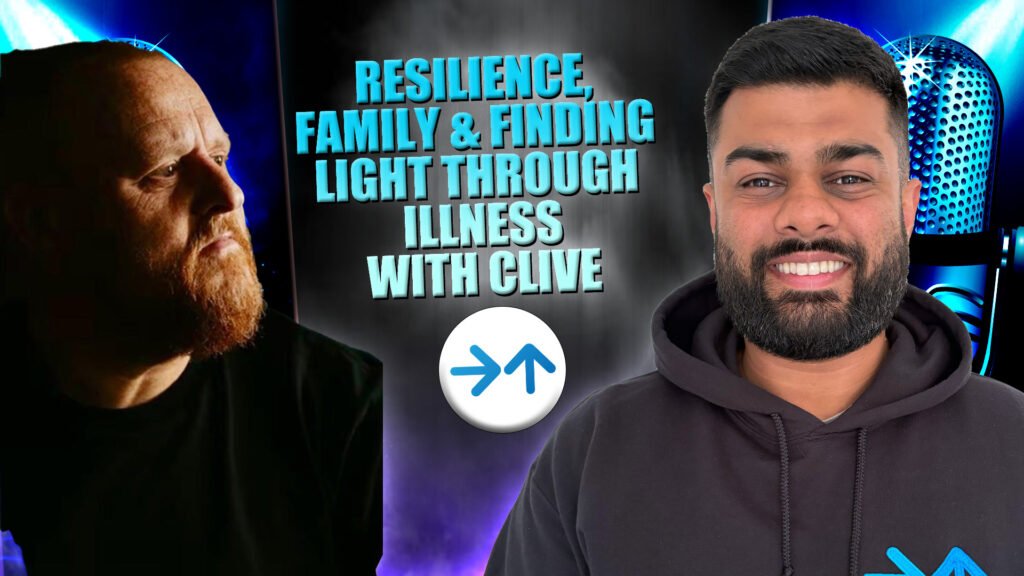
This blog is based on a powerful episode of the Onward Shift Podcast, where Clive shares his real story not some polished success arc but a lived, messy, human journey from serious health diagnoses to anxiety that stopped him leaving the house, Clive’s experience mirrors what many construction workers face, even if the details are different.
This conversation matters because it shows how quickly things can unravel and how slowly and practically, they can be rebuilt. Clive’s story doest just share resilience but also HOPE.
In this episode, Vish sits down with Clive a former RAF armorer, long-time Ministry of Defence professional, husband, father and grandfather. Clive’s life looks solid from the outside. Strong family. Long career. Respected. Reliable. The kind of bloke people go to when they need help but over time, Clive faced a series of serious health challenges a stroke caused by a hole in his heart, a diagnosis of motor neurone disease, prostate cancer and then something he never expected: anxiety so severe it stopped him functioning and left him with severe paranoia.
What followed was a complete loss of confidence, identity and income, culminating in a 10-week stay in a psychiatric hospital. NOT because he was weak but because everything finally caught up with him at once. This conversation matters for construction workers because it breaks the myth that mental health struggles only hit people who “can’t cope.” Clive coped for years until his mind couldn’t carry the weight and trauma anymore.
If you prefer listening over reading, you can hear the full conversation on the Onward Shift Podcast.
 Listen to the episode here:
Listening in your van, on-site or on a walk can sometimes land harder than words on a screen.
One of the strongest undercurrents in Clive’s story is responsibility. Providing. Turning up. Keeping things moving. Being “the solid one.” Even when Clive left the MOD and started his own health and safety consultancy including work within construction the pressure didn’t reduce. It increased. More responsibility. More driving. More expectations. More mental load. This is familiar territory especially in construction workers mental health. The pressure doesn’t come from one place it comes from everywhere usually all at once. Work, family, finances, health and the unspoken belief that you’re supposed to handle it. Clive didn’t feel stressed in the obvious way. It crept in through thinning patience, brain fog, exhaustion and moments where he admitted, quietly, “I don’t know what I’m doing.”
Burnout in construction doesn’t always look like collapsing on site for Clive, it looked like staying busy. Keeping moving. Not stopping long enough to process grief, illness or fear. Losing his dad to Parkinson’s. Supporting his family. Adapting to physical changes. Starting something new. Burnout arrived suddenly not after years of complaining but after years of coping. Within weeks, Clive went from being active and confident to being unable to drive, leave the house or function day-to-day. Anxiety took over his body, not just his thoughts. This is what burnout in construction can look like when stress goes unaddressed not dramatic, not obvious but overwhelming when it finally breaks through.
Clive openly admits that if you’d asked his mates or colleagues whether he’d ever struggle with mental health, they’d have laughed. “He’s the one who helps everyone else.” That stigma still lives on site today. Mental health is still seen as something that happens to other people or something you push through or something you deal with privately. Even after being open as a family, Clive noticed his sons holding back worried about upsetting him, worried about saying the wrong thing. Stigma doesn’t always look like insults or jokes. Sometimes it looks like silence.
One of the most powerful parts of the conversation is how Clive describes anxiety. Not worry. Not stress. Full-body fear. The world felt dangerous. Rain sounded threatening. Wind felt catastrophic. Supermarkets felt hostile. His mind created threats where none existed. This kind of anxiety strips confidence, independence and identity. Clive lost his driving licence, his income and his sense of who he was. Many construction workers experience this internally while still turning up externally until the gap becomes impossible to manage.

Money pressure runs quietly through Clive’s story. Being the provider. Losing income. Wanting to contribute. Wanting to feel useful for many in construction, mental wellbeing on site is directly tied to self-worth. If you’re not working, earning or providing, you start questioning your value. Clive’s turning point came when he realised his family didn’t need a “perfect provider” they needed him. Present. Engaged. Alive. That shift changed everything.
This isn’t a checklist. It’s what worked in reality.
1. Start smaller than you think
Clive didn’t rebuild his life overnight. He wrote handwritten notes offering garden work, cycled locally and stayed close to home. Confidence came from action, not motivation.
2. Get outside without a goal
Not fitness. Not productivity. Just movement. Nature, rhythm, space. Even short walks helped reset his nervous system.
3. Stay connected to something physical
Manual work gave Clive purpose without pressure for construction workers, staying connected to physical activity even in a different form can anchor identity.
4. Accept help early
The crisis team and hospital weren’t failures. They were support. Waiting longer doesn’t make things easier.
5. Talk without fixing
Clive’s family didn’t rush solutions. They talked. Sat with it. Let things be uncomfortable.
These aren’t hacks. They’re survival skills.
Talking won’t fix everything but silence makes things heavier. Conversations like this matter because they show that strong people struggle. That breakdowns don’t mean failure. That rebuilding doesn’t look impressive it looks practical, slow and human. Mental health in construction improves when people stop pretending they’re invincible and start admitting they’re carrying weight. No one needs fixing. They need space.
Clive’s story isn’t about illness, anxiety or recovery alone. It’s about what happens when life piles up and the mask finally slips. Mental health in construction doesn’t break people silence does. If you’re feeling stretched, exhausted, anxious or disconnected, it doesn’t mean you’re weak. It means you’re human, working in an industry that demands a lot and rarely asks how you’re coping.
You don’t need to overhaul your life. You don’t need big words or perfect plans. You just need one small next step, listening to the podcast, reading another story or reaching out for support.
You’re not behind. You’re not broken and you’re not alone.

You can follow Clive on LinkedIn here:
https://www.linkedin.com/in/clive-branson-8b4267232/
You can learn more about Clive here:

Imagine a project team that has spent months working under a difficult client, dealing with changing instructions and constant pressure to recover time. People are

Why Toilets, Water and Electricity Should Be Discussed Before Work Begins When you prepare a quotation for work in somebody’s home, do you mention access

A Simple Question Can Make a Big Difference “You alright, mate?” It must be one of the most common questions asked in construction. We say

Construction asks people to adapt every day. Programmes change, materials arrive late, jobs overrun and workers are expected to solve problems while keeping one eye

What Mental Health Really Looks Like in Construction Two years ago, back in 2024, I was an electrician woking on the tools while managing my

Entrepreneurship is often romanticised as an exhilarating journey filled with freedom, creativity, and success. While it can be all those things, the entrepreneurial lifestyle also comes with its fair share of challenges and uncertainties.
If you’re feeling overwhelmed or need someone to talk to, there are organisations that offer free, confidential support for mental health challenges, especially for professionals in high stress industries like construction and engineering. Here are some options available:
Provides a 24/7 confidential listening service for anyone struggling with their mental health or in distress.
A free and confidential text-based crisis support service available 24/7.
The Lighthouse Construction Industry Charity provides vital support to construction workers and their families, offering financial assistance, mental health support, and occupational health advice.
Mates in Mind works to improve mental health awareness within the construction sector. They provide training and resources to help businesses and workers address mental health challenges.
B&CE’s Construction Worker Helpline offers free support and guidance for industry workers facing financial difficulties, stress, or personal challenges. Available from 8am-8pm, 7 days a week.
Provides confidential advice and financial assistance for people working in the electrical industry.
The Rainy Day Trust provides financial assistance and support to those working in the home improvement, construction, and allied trades industries.
CRASH helps homelessness charities and hospices by providing construction-related assistance, offering expertise and materials for vital building projects.
This organisation helps young people discover career opportunities in the construction industry, breaking down stereotypes and offering pathways into the trade.
Offers emotional support and guidance for anyone affected by bereavement.
Provides 24/7 support for individuals struggling with gambling-related issues.
At AA, alcoholics help each other. We will support you. You are not alone. Together, we find strength and hope. You are one step away.
A free listening service for individuals experiencing suicidal thoughts, open from 6pm to midnight daily.
A helpline offering support and information to LGBTQIA+ individuals on topics like mental health, relationships, and identity.
Provides young people with advice and support on topics such as mental health, finances, relationships, and homelessness.
The construction industry can be both rewarding and challenging but no one should have to face difficulties alone. Whether you need financial help, mental health support or career guidance, these organisations are here to assist you. If you or someone you know is struggling, don’t hesitate to reach out. If you found this list helpful, consider sharing it with colleagues or on social media to spread awareness. Let’s build a stronger, healthier construction industry together!
Helping construction, one conversation at a time.
Helping construction, one conversation at a time.
We use cookies to make our website work properly, improve performance and personalise your experience. You can accept all cookies or manage your preferences.