

Neurodiversity in UK Construction
A Call to Rethink Neurodiversity in Construction The UK construction industry is a critical part of our economy and society, contributing £117 billion annually and

Have you ever had a ritual? Not something grand or dramatic but a small personal routine that helped you get through something difficult. Something simple that no one else really knew about but for you it meant everything. For a long time I had one of those rituals and until now it’s something I’ve never shared publicly. It might sound small, almost insignificant but it helped me through some of the toughest emotional moments I’ve ever experienced. When we talk about mental health in construction, we often focus on the big conversations like suicide prevention, stress, burnout or addiction. Those conversations are important but what often gets overlooked are the small coping strategies that help people recover after difficult moments. This blog is about one of those small strategies and how it quietly helped me process therapy, regulate my emotions and find calm again after heavy conversations.
Therapy was always challenging for me. Opening up, being vulnerable and telling a stranger my deepest thoughts felt incredibly uncomfortable. If you’ve ever sat in a therapy room, you’ll probably understand exactly what I mean. Therapy isn’t just about talking. It’s about peeling back layers you’ve spent years building. It’s about saying things out loud that you’ve previously only allowed to exist in your head. For a lot of people, especially those of us who grew up in environments where emotional expression wasn’t always encouraged, that process can feel unnatural and confronting. In industries like construction where resilience, toughness and independence are often valued traits, vulnerability can feel particularly difficult. Sitting in that room discussing emotions, fears or past experiences sometimes felt like stepping into unfamiliar territory. The session itself was one challenge, but what often surprised me was how difficult the period after therapy could be. When the session ended and I stepped back into the outside world, everything felt slightly different. My mind would still be processing what had been said. My body would feel tense. My emotions would feel raw. It was like my brain had opened a door that I didn’t quite know how to close again.
One particular day stands out in my memory. It was around November and anyone who has spent time in London during that time of year will know the atmosphere. The days are short, the skies are grey and the air has that damp coldness that seems to creep through your clothes. People move quickly through the streets with their heads down, umbrellas out and coffee cups in hand, all rushing to get somewhere. That day I left therapy feeling overwhelmed. The session had been emotionally heavy and I could feel it physically. My chest felt tight and my thoughts were racing. I remember standing on the pavement outside the building for a moment, unsure what to do next. My instinct was to go straight home or distract myself with work but something inside me resisted that idea. Instead, I stopped where I was and took a deep breath. It was followed by one of those long sighs that seems to release tension from your whole body. I realised in that moment that I needed a pause. I needed something small that would help me transition from the emotional intensity of therapy back into normal life.
As I looked around for somewhere to sit down, I noticed a Starbucks nearby, right next to a McDonald’s. I wish I could remember the name of the street but that detail has faded over time. What I do remember clearly is the feeling of relief when I saw it. It was somewhere warm, somewhere calm and somewhere I could just sit for a while. When I walked in, I was surprised that it wasn’t busy. Anyone familiar with London coffee shops knows that finding one without a long queue can feel like a minor miracle. I stepped up to the counter fairly quickly and the barista asked me what I’d like to order. Without thinking too much about it, I asked for a hot chocolate. Back then Starbucks used to do those Christmas hot chocolates topped with gold chocolate sprinkles. I absolutely loved them, especially with whipped cream piled on top. It felt like a small treat at exactly the moment I needed one.
Once I had my drink, I found a seat by the window and sat down. What happened next might sound simple, but it turned out to be surprisingly powerful. As I started sipping the hot chocolate, probably with a whipped cream moustache forming without me even noticing, I watched the world go by outside the window. People rushed past in coats and scarves, taxis crawled through traffic and rain tapped lightly against the glass. For the first time since leaving therapy, my body started to slow down. I wasn’t checking emails. I wasn’t listening to music. I wasn’t scrolling through my phone. I was just sitting there, drinking a hot chocolate and breathing. That moment gave me the opportunity to process the therapy session rather than rushing away from it. It allowed my nervous system to calm down and my thoughts to settle. At one point I took one of those deep breaths where you tilt your head slightly upwards, inhale as much air as you can and then slowly exhale everything out of your lungs. Sometimes there’s even a small shake of the head at the end, almost like your body is physically releasing tension. That breath felt incredible. It was the moment when I realised that my body had finally relaxed.
What surprised me most about that experience was how effective something so small could be. There was no complicated technique involved. I didn’t have a structured coping plan. I simply gave myself permission to pause and breathe. That moment became a turning point for how I approached therapy. Instead of leaving sessions feeling overwhelmed and rushing back into the busyness of the day, I started building a small ritual around them. Every time I went to therapy, I allowed myself time afterwards to stop at Starbucks and get a hot chocolate. Even if the therapy session hadn’t been particularly difficult, I still kept the ritual. It became something I looked forward to. It was my way of creating a transition between the emotional intensity of therapy and the rest of my day. Over time, that ritual started to represent something deeper. It became a signal to my mind and body that everything was going to be okay again.
In conversations about mental health in construction, we often talk about coping strategies in broad terms. We discuss resilience, support systems and professional help. All of those things are important but sometimes the most effective coping mechanisms are the simplest ones. A small routine after a difficult moment can help your brain process what has happened and restore a sense of calm. Psychologists often refer to this as emotional regulation. When we experience stress or intense emotions, our nervous system can remain in a heightened state for hours. Simple rituals, such as taking a walk, sitting quietly or drinking a warm drink, can signal to the body that it is safe to relax again. In industries like construction where stress levels can be high and emotional conversations are less common, these small coping strategies can play an important role in maintaining wellbeing.
One of the challenges surrounding mental health in construction is that many people are used to pushing through discomfort rather than addressing it. The culture often rewards perseverance and problem solving, which are valuable traits but they can sometimes discourage people from pausing when they need to. Therapy itself can already feel like a big step for someone working in construction. The idea of sitting down with a professional and discussing personal experiences can feel completely outside the norm. What helped me was recognising that recovery doesn’t have to involve huge life changes all at once. Sometimes it starts with something small. That hot chocolate ritual wasn’t designed as a therapeutic exercise. It was simply something that made me feel calmer and more grounded after difficult conversations.
Over time I began to understand why it worked so well. The ritual created a predictable moment of calm after an emotionally demanding experience. It gave my brain time to process information rather than suppressing it. It also gave me something positive to look forward to after therapy. Instead of dreading the emotional weight of each session, I knew there would be a small moment of comfort waiting afterwards. In psychological terms, this is often referred to as positive reinforcement. When the brain associates a difficult experience with a comforting routine afterwards, it becomes easier to face that experience again. For me, that meant continuing therapy even when sessions were challenging.
In conversations about mental health in construction, we often talk about coping strategies in broad terms. Conversations around mental health in construction are slowly improving but many people still struggle to find support that actually speaks their language. That’s one of the reasons I created Onward Shift, a platform built specifically to support the construction community through resources, conversations and real lived experiences.
Another important element of that ritual was the act of slowing down. Modern life, especially in busy cities and demanding industries, encourages constant movement and productivity. We move quickly from one task to the next without allowing ourselves time to process what has happened. That Starbucks moment forced me to stop. I couldn’t rush it. I had to sit down, sip the drink and allow my body to settle. That pause made all the difference. It gave me space to reflect on the therapy session, understand what I had learned and regain emotional balance before returning to the rest of my day.
The lesson I took from that experience is that recovery and emotional growth often happen in small steps rather than dramatic breakthroughs. When we talk about therapy recovery, we sometimes imagine big turning points or sudden realisations. In reality, progress is often built through consistent, small actions that support emotional regulation. A ritual like the one I developed may seem simple but it played a significant role in helping me stay committed to the therapy process. Without it, I might have found the emotional intensity of those sessions harder to manage.
Mental health in construction continues to be an important topic because the industry presents unique pressures. Long hours, physical demands, financial uncertainty and cultural expectations around toughness can all influence how people cope with stress. While professional support such as counselling and therapy is essential, small everyday strategies can also make a meaningful difference. Something as simple as creating a post-work routine, taking a quiet moment in the van before driving home or enjoying a warm drink after a difficult conversation can help regulate stress levels and improve emotional resilience.
Looking back now, that hot chocolate ritual represents more than just a drink after therapy. It represents the moment I gave myself permission to slow down and care for my own wellbeing. It showed me that coping strategies don’t have to be complicated to be effective. They simply need to create space for breathing, reflection and calm. Even today, years later, it’s a ritual I still return to when I need to reset after a difficult moment. Today I finally felt ready to share that small story. It might seem simple but sometimes the smallest routines have the biggest impact on how we manage stress and recovery. If there’s one thing I hope readers take from this blog, it’s the reminder that you are allowed to create your own small rituals. Whether it’s a walk, a coffee, a quiet moment in the van or a hot chocolate after therapy, those pauses can help your mind and body find balance again. If you work in construction or any other demanding industry, taking a moment to breathe and process after difficult experiences is not weakness. It’s part of maintaining your mental health. My small ritual helped me through some of the toughest therapy sessions I’ve ever had and sharing it today is my way of encouraging others to find their own moments of calm.
If this story resonates with you and you’re looking for more support, conversations or resources around mental health in construction, you can explore more at Onward Shift, where the goal is simple: make support easier to find for the construction community.
If Craig’s story feels familiar, support exists, without judgement or pressure.
Onward Shift offers:
Support doesn’t mean you’ve failed. It means you’re taking responsibility for yourself.

A Call to Rethink Neurodiversity in Construction The UK construction industry is a critical part of our economy and society, contributing £117 billion annually and

Here, we delve into the key differences between nutrition and exercise and explore how they synergise to enhance your well-being.

In our fast-paced, constantly connected world, it’s easy to overlook one of the most crucial aspects of our well-being: mental health. Often overshadowed by physical health, mental health is just as important, if not more so, in ensuring a balanced and fulfilling life.

If you work in construction, there’s a good chance you’ve become very good at saying YES, often without even thinking about it. Yes to staying

From Apprentices to CEOs When you picture the construction industry, what comes to mind? For many, it is still rows of men in hi-vis jackets
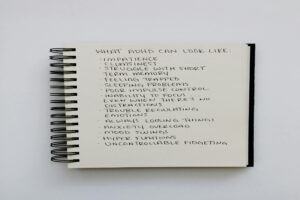
Living with ADHD can be a challenging life, filled with highs and lows. It can be both a blessing and a curse, depending on how
If you’re feeling overwhelmed or need someone to talk to, there are organisations that offer free, confidential support for mental health challenges, especially for professionals in high stress industries like construction and engineering. Here are some options available:
Provides a 24/7 confidential listening service for anyone struggling with their mental health or in distress.
A free and confidential text-based crisis support service available 24/7.
The Lighthouse Construction Industry Charity provides vital support to construction workers and their families, offering financial assistance, mental health support, and occupational health advice.
Mates in Mind works to improve mental health awareness within the construction sector. They provide training and resources to help businesses and workers address mental health challenges.
B&CE’s Construction Worker Helpline offers free support and guidance for industry workers facing financial difficulties, stress, or personal challenges. Available from 8am-8pm, 7 days a week.
Provides confidential advice and financial assistance for people working in the electrical industry.
The Rainy Day Trust provides financial assistance and support to those working in the home improvement, construction, and allied trades industries.
CRASH helps homelessness charities and hospices by providing construction-related assistance, offering expertise and materials for vital building projects.
This organisation helps young people discover career opportunities in the construction industry, breaking down stereotypes and offering pathways into the trade.
Offers emotional support and guidance for anyone affected by bereavement.
Provides 24/7 support for individuals struggling with gambling-related issues.
At AA, alcoholics help each other. We will support you. You are not alone. Together, we find strength and hope. You are one step away.
A free listening service for individuals experiencing suicidal thoughts, open from 6pm to midnight daily.
A helpline offering support and information to LGBTQIA+ individuals on topics like mental health, relationships, and identity.
Provides young people with advice and support on topics such as mental health, finances, relationships, and homelessness.
The construction industry can be both rewarding and challenging but no one should have to face difficulties alone. Whether you need financial help, mental health support or career guidance, these organisations are here to assist you. If you or someone you know is struggling, don’t hesitate to reach out. If you found this list helpful, consider sharing it with colleagues or on social media to spread awareness. Let’s build a stronger, healthier construction industry together!

The Mental Health Platform Built for Construction
The Mental Health Platform Built for Construction
We use cookies to make our website work properly, improve performance and personalise your experience. You can accept all cookies or manage your preferences.