

The Power of Keynote Speaking
The construction industry is renowned for its demanding work environments, tight deadlines and physically strenuous tasks. While these challenges are often seen as part of
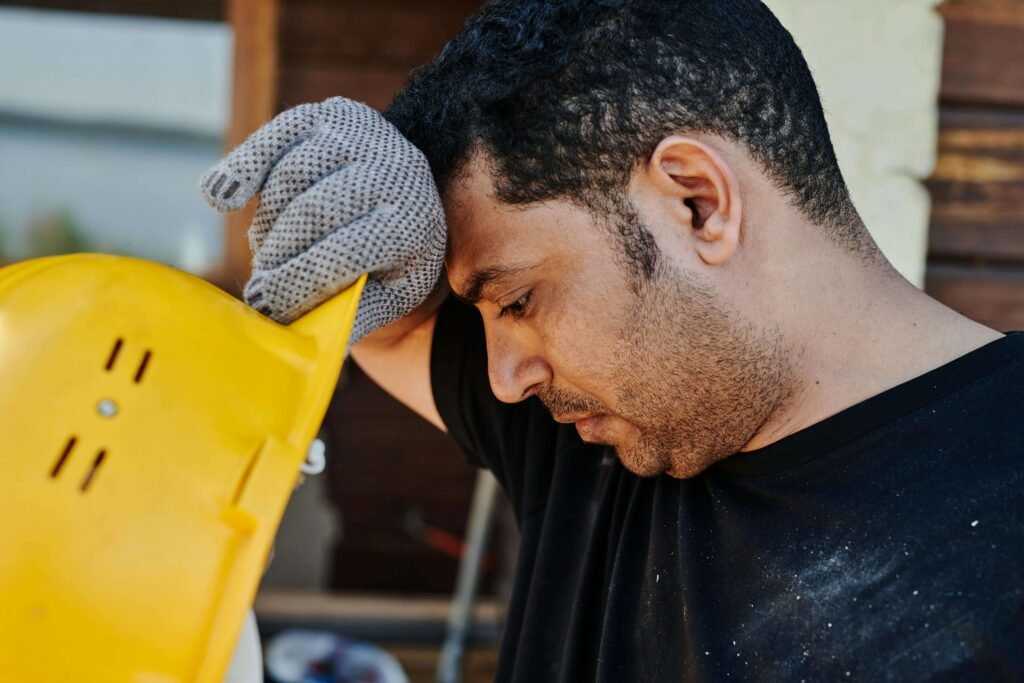
If you work in construction, there’s a good chance you’ve become very good at saying YES, often without even thinking about it. Yes to staying late. Yes to covering someone else. Yes to taking on “just one more thing” even when you’re already shattered. It rarely feels like a conscious decision. It feels like part of being reliable, part of being a team player and part of being someone people can count on and from the outside, that reliability looks like strength. On-site, it’s praised. At home, it’s often expected but inside, something else can start to build quietly. Fatigue that doesn’t go away with a weekend off. Irritation that shows up in places you don’t expect. A sense that your time, energy and headspace are never really your own.
People-pleasing doesn’t usually feel like a problem at first. It feels like being helpful. Like being decent. Like doing the right thing however over time, it can become a habit that slowly erodes your mental health, your relationships and your sense of self. This blog is about learning the art of saying NO. Not aggressively. Not selfishly and not in a way that pushes people away. It’s about stopping people-pleasing so you don’t keep abandoning yourself to keep everyone else comfortable because the truth is, constantly saying yes doesn’t make life easier, it just makes you feel heavier.
Most people aren’t taught how to say no. They’re taught how to be polite, helpful and accommodating. Many grow up being praised for being the one who helps out, the one who doesn’t make a fuss, the one who puts others first. Over time, that praise turns into an identity and in construction nothing is different, that identity is often reinforced early. You learn quickly that cracking on and smashing through your work is valued. Not complaining is respected. Being flexible is rewarded but saying that other word… NO, on the other hand, can feel risky and very uncomfortable. It can feel like you’re letting the team down or purposefully being difficult.
So you say yes, even when something in you hesitates and the more often you do it, the more automatic it becomes. Eventually, the answer is out of your mouth before you’ve even thought about the task ahead. Here is an important reminder people-pleasing is NOT about being weak. It’s often about fear. Fear of conflict. Fear of disappointing people. Fear of being judged. Fear of losing respect or security and sadly fear is a powerful thing, that can control us especially in environments where pressure is constant.

Construction has many strengths: teamwork, humour, graft, pride in doing a job properly but it also has blind spots, particularly when it comes to boundaries. There’s often an unspoken assumption that if something needs doing, someone will step in and more often than not, it’s the same people who do. The ones who don’t push back. The ones who don’t want to be seen as awkward. The ones who carry the extra load without saying much. In 2026, this pressure doesn’t stop when the shift ends. Phones buzz in the evening. Messages land in group chats. Questions come through at weekends. Just because you can reply doesn’t mean you should but many people (including myself) still feel they have to. Mental health in construction isn’t just affected by physical demands. It’s affected by emotional labour, constant availability and the slow erosion of personal boundaries. When someone never says no, their capacity is assumed to be endless but it isn’t. It’s in fact the total opposite.

Let’s make this real.
Meet Alex. Alex is good at their job. Reliable. Trusted. The kind of person managers know they can count on. Alex didn’t become that way by accident though they earned it by showing up, helping out and rarely pushing back. It’s late one Wednesday afternoon. The site’s already had a busy start to the week. Alex is already thinking about getting home and spending time with the family.
Then the manager walks over.
Manager: “Any chance you could stay back and help finish this off? It shouldn’t take too long.”
Alex feels that familiar pause in their chest. They’re tired. They’re excited to get home. They know staying late will push everything else back and upset there partner but the response comes automatically.
Alex: “Yeah… yeah, that’s fine.”
The manager smiles, relieved.
Manager: “Nice one. Appreciate it.”
In that moment, Alex feels a brief sense of relief. The awkwardness is avoided. No tension. No questions but later, as the evening drags on, the cost shows up.
Alex works late, gets home drained, missed putting the kids to sleep, has a cold dinner and has just about enough energy to shower then hit the sack and feels oddly irritated and guilty before falling asleep, not just at work but at themselves. The next day, the manager doesn’t mention it. Why would they? Alex said yes. Everything worked. This is how people-pleasing survives. Not through drama but through silence.
What’s important here isn’t just that Alex said yes it’s how they said it.
The “yeah, that’s fine” didn’t come from choice. It came from habit from a desire to avoid discomfort from language that prioritised keeping things smooth over being honest.
People-pleasing often lives in small phrases that sound harmless:
None of these sound like a problem on their own but repeated day after day, they become a pattern where your default response is to accommodate even when it costs you.
Now rewind the same situation.
Same day. Same workload. Same manager. Same request.
Manager: “Any chance you could stay back and help finish this off?”
Alex still feels that pause. The tiredness. The hesitation but this time, they don’t rush to fill the silence.
Alex: “I can’t stay late today without dropping something else. Is there another way we can sort it?”
There’s a brief moment of discomfort.
Manager: “Oh… right. Okay. I’ll see who else is free.”
That’s it. No argument. No drama.
Alex walks away feeling slightly uneasy. Saying no always comes with a hangover of guilt at first but there’s something else there too a sense of relief and a quiet confidence in having been honest also the excitement of not having to cancel there plans like many times before.
Over time, something subtle shifts. The manager starts checking workload before asking. Requests become more considered. Alex is still trusted, perhaps even more so because their boundaries are clear. The relationship doesn’t weaken. It does the opposite and it matures.
Notice the difference between the two responses. In the first, Alex’s language closed the conversation quickly but opened the door to resentment later. In the second, the language was calm, clear and respectful without being defensive or apologetic. Many people think the problem is saying no. Often, the real issue is the language used around it. People technically say no but then immediately soften it, justify it or apologise so much that it collapses under pressure. Not because the other person forces them to change their mind but because the language leaves the door wide open.
This is the language that quietly keeps people stuck:
“Sorry, I just can’t right now…”
“I’d love to help but…”
“It’s been a mad week…”
“I probably should, but…”
These phrases come from a good place. They’re attempts to manage guilt in real time but they send two messages at once. On the surface, you’re saying no. Underneath, you’re signalling discomfort and uncertainty. To the receiving person, it doesn’t sound like a boundary. It sounds like a negotiation and to your own nervous system, it reinforces the idea that saying no is something you should feel bad about.
Over-explaining is one of the most common people-pleasing habits, I do it myself all the time! (Having ADHD does not help)
Someone asks you for something and instead of a clear answer, you launch into a detailed explanation your workload, your tiredness, your commitments, your stress. In construction, it often sounds like this:
Alex: “I can’t stay late because I’ve already done extra hours this week and I’ve got things on at home and I was here early and I’m shattered…”
What Alex is really saying is:
“Please don’t think badly of me.”
The problem is that explanations invite judgement. They give the other person something to weigh up, question or push back on. A boundary doesn’t need a backstory. Remember you don’t have to be rude but you also don’t have to over share either.
Strong boundaries don’t need big speeches. They need clarity. Here’s what that sounds like in real life:
“I can’t take that on right now.”
“That doesn’t work for me today.”
“I don’t have the capacity for that.”
“I’d need to drop something else and I can’t.”
These phrases are calm. They’re present-focused. They don’t apologise, attack or invite debate.
They simply state your limit.
For many people, saying no at work is easier than saying no to family and friends. Guilt runs deeper with people you care about, especially if you’ve always been the one who shows up but constantly saying yes out of obligation doesn’t create closeness. It creates quiet resentment. You’re allowed to rest. You’re allowed to protect your time. You’re allowed to change how available you are. Boundaries don’t mean you care less. They mean you care enough to be honest. You can’t always help others when you’re burnout or feeling resentment.
A lot of people worry that changing their language will make them sound rude or cold but there’s a big difference between being polite and being people-pleasing. Politeness is about respect. People-pleasing is about fear. You can be respectful without abandoning yourself. You can be calm without being apologetic. You can say no without making the other person responsible for your comfort. For example: “I can’t help with that today but thanks for asking.” It’s polite. It’s clear and it’s complete leaving both people with a clear answer and setting that all mighty boundary.
Changing long-standing habits around people-pleasing takes time. Sometimes it helps to talk it through with someone who understands pressure, responsibility and construction culture. Onward Shift offers coaching, counselling, toolbox talks and practical resources designed to help people protect their mental health without judgement. Support isn’t about fixing you, it’s about giving you the space you need and deserve to breathe and reflect.
Burnout in 2026 isn’t caused by laziness or lack of resilience. It’s caused by constant availability. Being emotionally and practically “on” all the time leaves no space to recover. In construction, this matters deeply. Fatigue, resentment and overload don’t just affect mental health, they affect safety, focus and performance. Learning to stop people-pleasing isn’t about doing less. It’s about doing what matters without losing yourself in the process.
If you’ve spent years saying yes because it felt safer than saying no, you’re not broken. You’re human however you don’t have to keep living that way. The next time you’re asked to do something that doesn’t sit right, PAUSE. Notice the language you’re about to use. Choose clarity over habit. One honest no won’t ruin your reputation but never saying no might quietly ruin your wellbeing and your mental health is worth protecting, always!
The construction industry is renowned for its demanding work environments, tight deadlines and physically strenuous tasks. While these challenges are often seen as part of

If you’ve ever sat in your van before a shift, engine running, head racing, wondering how you’re supposed to crack on like nothing’s wrong then
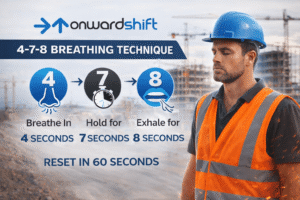
How to Regain Control in 60 Seconds Seven years ago, I was sitting in a therapist’s room feeling like my body had decided to turn

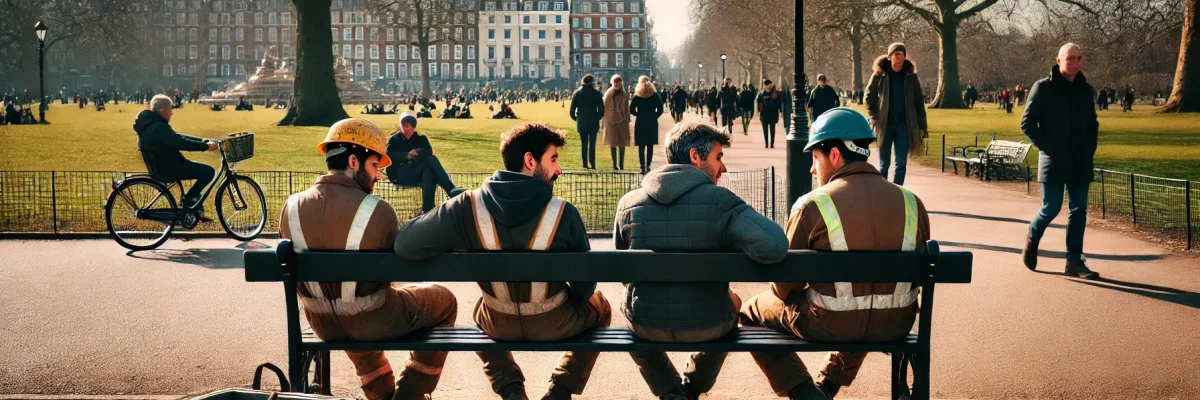
Picture this. Three blokes sitting on a park bench on a warm spring day. The sun’s out, a light breeze moves through the trees and

Construction has always been good at one thing, cracking on! No matter how rough the night was. No matter what’s going on at home. No

Work and Life Aren’t Separate Switches “Work stays at work. Home stays at home.” How often have we heard this? It’s an appealing sentiment but
If you’re feeling overwhelmed or need someone to talk to, there are organisations that offer free, confidential support for mental health challenges, especially for professionals in high stress industries like construction and engineering. Here are some options available:
Provides a 24/7 confidential listening service for anyone struggling with their mental health or in distress.
A free and confidential text-based crisis support service available 24/7.
The Lighthouse Construction Industry Charity provides vital support to construction workers and their families, offering financial assistance, mental health support, and occupational health advice.
Mates in Mind works to improve mental health awareness within the construction sector. They provide training and resources to help businesses and workers address mental health challenges.
B&CE’s Construction Worker Helpline offers free support and guidance for industry workers facing financial difficulties, stress, or personal challenges. Available from 8am-8pm, 7 days a week.
Provides confidential advice and financial assistance for people working in the electrical industry.
The Rainy Day Trust provides financial assistance and support to those working in the home improvement, construction, and allied trades industries.
CRASH helps homelessness charities and hospices by providing construction-related assistance, offering expertise and materials for vital building projects.
This organisation helps young people discover career opportunities in the construction industry, breaking down stereotypes and offering pathways into the trade.
Offers emotional support and guidance for anyone affected by bereavement.
Provides 24/7 support for individuals struggling with gambling-related issues.
At AA, alcoholics help each other. We will support you. You are not alone. Together, we find strength and hope. You are one step away.
A free listening service for individuals experiencing suicidal thoughts, open from 6pm to midnight daily.
A helpline offering support and information to LGBTQIA+ individuals on topics like mental health, relationships, and identity.
Provides young people with advice and support on topics such as mental health, finances, relationships, and homelessness.
The construction industry can be both rewarding and challenging but no one should have to face difficulties alone. Whether you need financial help, mental health support or career guidance, these organisations are here to assist you. If you or someone you know is struggling, don’t hesitate to reach out. If you found this list helpful, consider sharing it with colleagues or on social media to spread awareness. Let’s build a stronger, healthier construction industry together!

The Mental Health Platform Built for Construction
The Mental Health Platform Built for Construction
We use cookies to make our website work properly, improve performance and personalise your experience. You can accept all cookies or manage your preferences.