

Managing Expectations in Relationships
Setting expectations is inevitable when it comes to relationships, whether romantic, family, or friendships; however, setting high expectations can often lead to disappointment and strain.
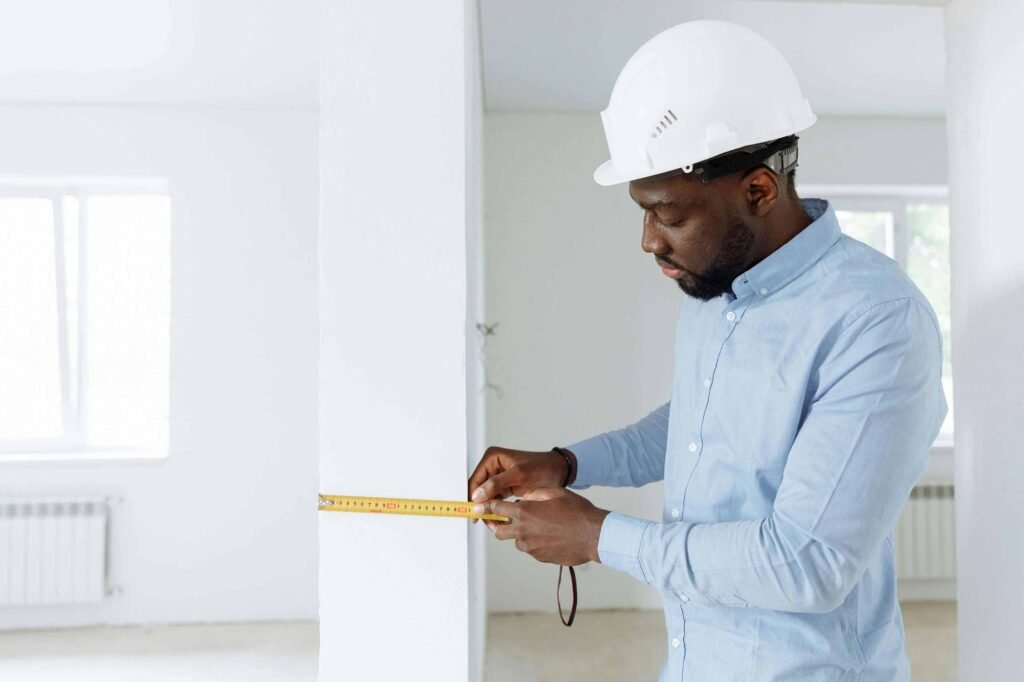
Let’s be honest. When most men hear the word therapy, they don’t immediately think, “That sounds like a good idea.” For many, the reaction is quite the opposite. Some feel uncomfortable. Some become defensive. Some make jokes about it. Others simply convince themselves they don’t need it. I know this because I was one of those men.
Before I started therapy, there were two thoughts constantly running through my mind. The first was, “I don’t even know what I’d say.” The second was, “What if people find out?” Looking back now, neither concern seems particularly rational but at the time they felt enormous. The idea of sitting in a room with a complete stranger and talking about my thoughts, emotions and experiences felt deeply uncomfortable. I had spent years doing what many men do. If something bothered me, I carried it. If something hurt, I buried it. If life became overwhelming, I convinced myself to keep pushing forward and deal with it later.
The problem with dealing with it later is that later eventually arrives.
For many men, the issue isn’t that we don’t know how to work hard. It’s not that we don’t know how to sacrifice. It’s not that we don’t care about the people around us. In fact, the opposite is often true. Many men spend their lives carrying responsibilities. They provide for their families, support their partners, look after their children, help their friends and continue showing up for work even when they’re struggling. Somewhere along the way, however, many of us learn to believe that asking for help is something other people do.
How many men do you know who struggle to ask for help?
Take a moment and genuinely think about it.
Maybe it’s a friend. Maybe it’s a colleague. Maybe it’s your dad, your brother, your partner or somebody you work with every day… Maybe it’s you.
The reality is that men remain significantly less likely to seek mental health support than women. Many men say they don’t want to burden others, feel embarrassed about opening up or worry they will be judged. Others fear appearing weak or admitting they need support. Those reasons tell an important story. Men aren’t avoiding therapy because they don’t experience stress, anxiety, loneliness, grief or emotional pain. Many are avoiding therapy because they’ve been taught, directly or indirectly, that they should handle everything themselves.
I’m sure you’ll agree with me when I say this… Enough is enough!
One of the things I’ve noticed through my own experiences and through the work we do at Onward Shift is that many men don’t actually know what therapy is. They know the word exists, obviously and they’ve heard people talk about it. They’ve probably seen it portrayed in films and television programmes but their understanding is often based on assumptions rather than reality.
For some men, therapy feels like admitting defeat. For others, it feels like an acknowledgement that something is wrong with them. Some worry they’ll be judged. Others worry they’ll be told they’re broken. Many simply fear vulnerability because they have spent a lifetime avoiding it.
The irony is that most men have no problem asking for support in other areas of life. If your van broke down, you’d take it to a mechanic. If a circuit stopped working, you’d investigate the fault. If a piece of equipment onsite became unsafe, you’d identify the problem before it caused a bigger issue. Yet when it comes to our minds, our emotions and our wellbeing, many of us somehow convince ourselves we should figure everything out alone.
I think part of the answer lies within the values many men hold. We take pride in being providers. We take pride in being protectors. We take pride in being dependable and there is absolutely nothing wrong with those values. In fact, I think they are admirable qualities. The problem arises when those values become barriers to support.
Because if you’re exhausted, overwhelmed and struggling, how effectively can you provide? If your mental health is deteriorating, how effectively can you protect? If you’re carrying so much emotional weight that you’re barely coping yourself, how long can you continue supporting everybody else?
This is where I think we need to change the conversation. Therapy isn’t about becoming less masculine. Therapy isn’t about giving up your responsibilities. Therapy isn’t about weakness. It’s about making sure you’re healthy enough to continue being the person you want to be. The strongest men I’ve met aren’t the ones who never ask for help. They’re the ones who have the courage to look in the mirror and say, “Something isn’t right and I want to do something about it.”
This conversation becomes even more important when we look at the reality facing men today.
Around three out of every four suicides globally are men. When statistics are repeated often enough, it’s easy for them to lose their impact. They become numbers rather than people but behind every number is a human being. A son. A father. A brother. A friend. A colleague. A partner.
The question isn’t whether men are struggling. The evidence clearly tells us they are. The question is why so many are struggling in silence?
One concept that has always resonated with me is the idea of the pain tank. Imagine every difficult experience you’ve ever had being poured into a tank. Every disappointment. Every rejection. Every loss. Every failure. Every stressful situation. Every emotional wound. For some men, that tank starts filling during childhood through bullying, family difficulties, grief, trauma or pressure to fit in. Then life continues adding more. Relationship problems. Financial pressures. Work stress. Family responsibilities. Health concerns. The tank keeps filling.
The problem isn’t that the tank fills. The problem is that many men never learn how to empty it.
Instead, they continue carrying everything until eventually there is no room left.
This is one of the reasons therapy can be so powerful. Not because it magically removes life’s challenges but because it gives you somewhere safe to process them. It helps you understand what you’re carrying and why you’re carrying it. It creates an opportunity to release some of the emotional weight before the tank overflows.
For me personally, therapy didn’t just improve my life. It saved it.
There was a point where my mental health had deteriorated to the stage where suicide felt like a genuine possibility. Looking back now, that’s difficult to admit but it’s important. If sharing that experience helps one man realise he isn’t alone, then it’s worth saying. Therapy didn’t solve every problem overnight. What it did do was give me the tools, support and understanding I needed to move forward. Sometimes that is the difference between surviving and not surviving.
One of the biggest surprises I experienced when I started therapy was how different it was from the picture I had created in my head. Before going, I assumed it would be awkward. I imagined sitting in silence while somebody analysed every word that came out of my mouth. I worried I would be judged. I worried I would be told what was wrong with me. Most of all, I worried that I wouldn’t know how to explain what I was feeling.
The reality was completely different.
What I found was a safe space. A space where I could talk openly about thoughts, experiences and emotions that I had never spoken about before. Not because I didn’t want to talk about them, but because I genuinely didn’t know how. Like many men, I had spent years pushing things down, distracting myself with work and convincing myself that if I ignored certain thoughts long enough, they would eventually disappear.
They didn’t.
I remember one particular session where my therapist asked me a question that completely stopped me in my tracks.
“Why do you find it so difficult to ask for help?”
At first, I didn’t have an answer. Then I realised nobody had ever asked me that question before. I’d spent years assuming I should be able to handle everything myself. I believed asking for help meant I was failing. I believed being independent meant carrying every problem on my own.
The more we explored that belief, the more I realised how much pressure I had been placing on myself. That single question opened the door to dozens of others. Where did those beliefs come from? Were they actually helping me? Would I expect somebody I cared about to live by the same standards?
Those questions sound simple but sometimes simple questions create life-changing answers.
One of the most valuable parts of therapy wasn’t being given advice. It was being given perspective. It helped me understand myself in ways I never had before. Most importantly, therapy gave me permission to be honest. Honest about my fears. Honest about my struggles. Honest about the things I had spent years pretending weren’t affecting me. If you’ve spent a lifetime carrying everything on your own, that honesty can feel incredibly freeing like a huge weight had been taken off my shoulders.
One of the biggest benefits I gained from therapy was learning how to regulate my emotions. Before therapy, emotions often felt like something that happened to me rather than something I understood. If I felt anxious, I felt anxious. If I felt angry, I felt angry. If I felt overwhelmed, I carried it until it eventually exploded or faded away.
Therapy helped me realise that emotions are not the enemy. They are information.
Every emotion is trying to tell us something. Anxiety may be highlighting uncertainty. Anger may be pointing towards frustration, hurt or unmet needs. Sadness may be connected to grief or disappointment. The problem isn’t usually the emotion itself. The problem is that many of us were never taught how to understand what those emotions are trying to communicate.
In construction, we’re taught how to identify faults, assess risks and solve practical problems. Yet very few of us are taught how to understand ourselves. As a result, emotions often come out sideways. Stress becomes irritability. Anxiety becomes anger. Fear becomes silence.
Therapy helped me slow down and recognise what was actually happening beneath the surface. Instead of reacting immediately, I learned to pause, reflect and respond more intentionally. That level of awareness sounds simple, but it changes everything.
One thing I’ve learned over the years is that anger is rarely the real problem. Anger is usually the messenger.
Think about the last time you became genuinely angry. Was it really anger? Or was it frustration, stress, disappointment, anxiety or feeling overwhelmed?
Many men only have access to two emotional settings: fine and angry. Not because they’re incapable of feeling anything else but because they’ve never developed the vocabulary to describe what’s actually happening. When emotions become difficult to understand, anger often becomes the default response.
Therapy helped me recognise this in myself. Instead of seeing anger as something that randomly appeared, I started understanding where it came from. I began noticing patterns. Certain situations would trigger specific emotional responses. Certain pressures would gradually build until they eventually surfaced as frustration.
Once you understand the source, the emotion becomes much easier to manage. That awareness creates choice. And choice creates control.
Anxiety can be exhausting. Anyone who has experienced it knows it’s far more than simply worrying. Anxiety can consume huge amounts of mental energy. It can turn small concerns into major problems and convince you that every possible outcome will end badly.
For me, anxiety often showed up as overthinking. Replaying conversations. Analysing decisions. Imagining worst-case scenarios. It was like having a mind that refused to switch off.
Therapy didn’t eliminate anxiety completely. Life will always contain uncertainty and challenges. What therapy did do was help me understand anxiety rather than fear it. I learned how to challenge certain thought patterns. I learned how to separate facts from assumptions. I learned breathing techniques, coping strategies and ways to ground myself when my mind started racing ahead.
Perhaps most importantly, I learned that thoughts are not facts. Just because your mind tells you something doesn’t automatically make it true. That lesson alone has helped me countless times.
One benefit that doesn’t get discussed enough is the impact therapy can have on relationships.
When you understand yourself better, you naturally communicate better. You become more aware of your reactions, your triggers and the things you struggle with. That awareness creates opportunities for healthier conversations.
Before therapy, there were times when I expected people to somehow understand what I was feeling without me actually telling them. Looking back, that was completely unrealistic. Nobody can read your mind.
Therapy helped me become more comfortable expressing myself. Not perfectly and not overnight but gradually. It became easier to explain what I was experiencing. Easier to discuss difficult topics. Easier to ask for support when I needed it.
Whether that’s with a partner, a friend, a family member or a colleague, communication matters. Strong relationships are rarely built on mind-reading. They’re built on honest conversations.
If there is one benefit from therapy that quietly improves every area of your life, it’s self-awareness.
Most of us spend years learning about other people, yet many of us know surprisingly little about ourselves. We know what we do but we don’t always know why we do it.
Therapy helped me understand patterns that had been present in my life for years. Certain situations would trigger specific reactions. Certain beliefs would influence decisions without me even realising it. Certain experiences from the past were still shaping how I viewed myself and the world around me.
Once you start recognising those patterns, things begin making more sense. You stop beating yourself up for every mistake because you understand where some of your behaviours come from. You notice stress building before it becomes overwhelming. You begin understanding why certain situations affect you more than others.
One of the biggest myths surrounding therapy is that it’s only for people who are falling apart. This belief stops countless men from seeking support. Many people imagine therapy as something reserved for crisis. The reality is very different.
Therapy can absolutely help people in crisis but that’s not all it’s for. Many people attend therapy because they want to understand themselves better. Others go because they’re navigating grief, relationship difficulties, stress, anxiety or major life changes. Some simply want a space to think, reflect and grow.
We don’t wait until our van completely breaks down before getting it serviced. We don’t wait until every tooth falls out before visiting a dentist. Yet when it comes to mental health, many men convince themselves they need to reach breaking point before asking for support.
Seeking support doesn’t mean you’re broken. It simply means you are a human.
If I could sit down with the younger version of myself, the version who was terrified of therapy, worried about what people might think and convinced he didn’t know what to say, there is one thing I would tell him.
The only regret you’ll have is not doing it sooner.
Not because therapy instantly solves every problem. Not because life suddenly becomes easy. Not because you’ll walk out of the first session transformed but because you’ll finally stop carrying everything on your own.
One of the biggest surprises was that nobody judged me. Nobody laughed at me and nobody thought I was weak. The therapist simply listened, asked thoughtful questions and helped me understand parts of myself that I had never stopped to examine. Looking back now, the thing I was most afraid of became one of the best decisions I have ever made.
You’ll realise that opening up doesn’t make you weak. You’ll realise that being vulnerable doesn’t make you less of a man. You’ll realise that asking for support isn’t a burden to anybody and you’ll discover that many of the things you’ve been carrying for years don’t need to be carried forever.
One of the biggest misconceptions men have about therapy is that they need to know exactly what to say before they start. You don’t. I certainly didn’t. Most people don’t. That’s part of the process. Sometimes the first step is simply turning up. Sometimes the first session feels uncomfortable. Sometimes you leave with more questions than answers. That’s okay. Growth often starts with uncertainty.
But as the famous saying goes “The hardest thing is to get started”.
I’d like to leave you with a few questions.
How many men do you know who struggle to ask for help?
When was the last time you genuinely told somebody how you were feeling?
If your best mate was struggling with his mental health, would you encourage him to get support?
If the answer is yes, why are you holding yourself to a different standard?
Why are we willing to service our vans, maintain our tools, invest in our businesses and look after everybody around us, yet often neglect our own wellbeing?
And perhaps the most important question of all.
What would happen to the people you love if you weren’t here tomorrow?
That question isn’t designed to scare you. It’s designed to create perspective.
Because so many men convince themselves they’re being strong by suffering in silence. In reality, silence often creates more pain for ourselves, our families, our friends and the people who care about us.
You do not become a burden when you ask for help. You do not become weak when you seek support. You do not become less of a man when you decide you want to improve your mental health.
If anything, the opposite is true.
For years, I thought asking for help was something other people did. I thought strength meant carrying everything alone. Therapy taught me the opposite. Real strength isn’t pretending you’re okay when you’re not. Real strength is having the courage to be honest about what you’re carrying and taking action before that weight becomes too much.
Therapy is not about becoming somebody different. It’s about understanding who you already are. It’s about learning how your mind works, understanding your emotions, recognising unhealthy patterns and developing healthier ways to navigate life. It’s about creating a space where you can be honest without judgement and supported without expectation.
For me, therapy provided better emotional regulation, reduced anxiety, improved communication, greater self-awareness and a healthier understanding of myself. More importantly, it gave me tools that I still use today. It helped me avoid becoming another statistic and ultimately played a significant role in saving my life.
If you’re reading this and you’ve been thinking about therapy, counselling for men or seeking men’s mental health support, consider this your sign.
You don’t need to wait until you’re in crisis. You don’t need to wait until everything falls apart. You don’t need to have all the answers. You simply need to take the first step because being a provider and protector is something many men are proud of. There is absolutely nothing wrong with that but when we ignore our own wellbeing, we eventually become unable to do either.
Strong men don’t suffer in silence. Strong men ask for help when they need it and if you’re ready to take that first step, whether through therapy, counselling or simply having an honest conversation with somebody you trust, know this:
You are not a burden.
You are not weak.
And you have absolutely nothing to be ashamed of.

Setting expectations is inevitable when it comes to relationships, whether romantic, family, or friendships; however, setting high expectations can often lead to disappointment and strain.

Conversations around mental health are slowly becoming more common in industries like construction but addiction is still one of the topics that often remains hidden

From Apprentices to CEOs When you picture the construction industry, what comes to mind? For many, it is still rows of men in hi-vis jackets

The first time I told my mum that I needed help with my mental health, I was 24. I had spent a long time trying

In 1974, Health and Safety recorded 166 fatalities in construction due to workplace incidents. By March 2025, that number had reduced to 35. Now let

Running your own business can give you freedom, purpose and the chance to build something that reflects who you are. It can also feel incredibly
If you’re feeling overwhelmed or need someone to talk to, there are organisations that offer free, confidential support for mental health challenges, especially for professionals in high stress industries like construction and engineering. Here are some options available:
Provides a 24/7 confidential listening service for anyone struggling with their mental health or in distress.
A free and confidential text-based crisis support service available 24/7.
The Lighthouse Construction Industry Charity provides vital support to construction workers and their families, offering financial assistance, mental health support, and occupational health advice.
Mates in Mind works to improve mental health awareness within the construction sector. They provide training and resources to help businesses and workers address mental health challenges.
B&CE’s Construction Worker Helpline offers free support and guidance for industry workers facing financial difficulties, stress, or personal challenges. Available from 8am-8pm, 7 days a week.
Provides confidential advice and financial assistance for people working in the electrical industry.
The Rainy Day Trust provides financial assistance and support to those working in the home improvement, construction, and allied trades industries.
CRASH helps homelessness charities and hospices by providing construction-related assistance, offering expertise and materials for vital building projects.
This organisation helps young people discover career opportunities in the construction industry, breaking down stereotypes and offering pathways into the trade.
Offers emotional support and guidance for anyone affected by bereavement.
Provides 24/7 support for individuals struggling with gambling-related issues.
At AA, alcoholics help each other. We will support you. You are not alone. Together, we find strength and hope. You are one step away.
A free listening service for individuals experiencing suicidal thoughts, open from 6pm to midnight daily.
A helpline offering support and information to LGBTQIA+ individuals on topics like mental health, relationships, and identity.
Provides young people with advice and support on topics such as mental health, finances, relationships, and homelessness.
The construction industry can be both rewarding and challenging but no one should have to face difficulties alone. Whether you need financial help, mental health support or career guidance, these organisations are here to assist you. If you or someone you know is struggling, don’t hesitate to reach out. If you found this list helpful, consider sharing it with colleagues or on social media to spread awareness. Let’s build a stronger, healthier construction industry together!

Helping construction, one conversation at a time.
Helping construction, one conversation at a time.
We use cookies to make our website work properly, improve performance and personalise your experience. You can accept all cookies or manage your preferences.