Imagine a project team that has spent months working under a difficult client, dealing with changing instructions and constant pressure to recover time. People are becoming shorter with each other, managers are taking problems home and the usual site humour has started to feel more cutting than supportive. A general mental health talk may start a conversation, but will it address the particular problem they are living through?
The same question could apply after concerns about suicide have been raised, when apprentices are struggling with confidence, when leaders want to understand neurodiversity or when communication between the site and office has broken down. Sometimes broad awareness is right; at other times, the organisation needs one clear subject. Construction mental health workshops give teams time to explore an issue and develop practical knowledge relevant to their roles. They cannot repair a workplace on their own, but they can begin a more informed conversation.
What Is a Construction Mental Health Workshop?
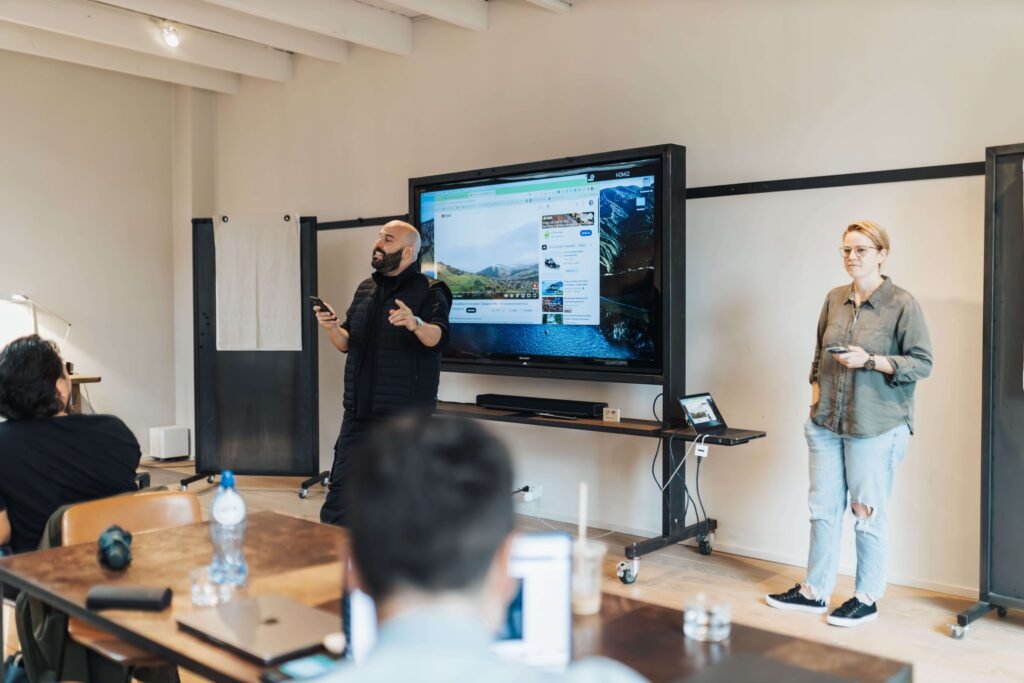
A construction mental health workshop is a focused session about a particular issue affecting people at work. Depending on the subject and audience, it might combine clear information, construction examples, reflection, discussion, practical exercises and advice about further support. A workplace mental health presentation may be less interactive, while a workshop usually allows more room for questions, although these terms are not always used consistently. The important thing is to understand what the session will involve.
These workshops are not group therapy and attending one does not create a private clinical relationship with the facilitator. Nobody should be asked to diagnose themselves or disclose personal experiences to colleagues. A good session allows people to participate without pressure. Its purpose may be to improve understanding, develop a skill, examine a workplace issue or help managers respond more appropriately when somebody needs support.
How Is a Workshop Different From a Keynote Speaker?
A lived-experience keynote is primarily story-led. The speaker shares something they have lived, what it cost them, what they learned and what helped them move forward. A powerful story creates connection because it gives the audience a person to relate to rather than a set of instructions. Onward Shift’s construction mental health keynote speakers speak from experiences including working in the industry, mental health difficulties, workplace accidents, addiction and recovery.
A specialist workshop is more topic-led. The facilitator may use personal experience, but the session helps the audience understand a particular challenge. A burnout workshop, for example, might explore how sustained pressure develops, what people may notice, which workplace conditions need attention and what workers and managers can realistically do next. A keynote may use one person’s journey to create recognition and conversation.
Neither format is better. They do different jobs, and the line between them is not always rigid. Some organisations begin with a keynote that opens the conversation and follow it with a specialist workshop that develops knowledge. Others already have strong awareness and need to go directly into a specific issue. The right choice depends on what you want people to understand, feel or do differently after the session.
What Topics Can Construction Workshops Cover?
Mental health workshops for construction can cover broad awareness, but their value often comes from focusing. One organisation may need stress, burnout and managing pressure, while another needs suicide awareness delivered by somebody with appropriate knowledge and clear boundaries. Confidence may be relevant to apprentices, new supervisors or people returning after a setback. Neurodiversity workshops can help leaders consider communication, working environments and reasonable support without assuming every neurodivergent person needs the same thing.
Other subjects include workplace culture, communication, leadership, difficult client relationships, psychological safety, addiction and recovery, grief and loss, supporting colleagues and creating healthier teams. Psychological safety simply means people feel able to ask questions, admit uncertainty or report concerns without expecting humiliation or punishment. A construction workplace culture workshop might examine how behaviour, banter, workload decisions and management responses affect whether people genuinely speak up.
The topic should come from what the organisation is actually experiencing, not from whichever title happens to sound most impressive. “Mental health awareness” is useful when understanding is limited across the workforce. It may be too broad when the real issue is a management team that does not know how to respond to a disclosure, or a project where conflict with a client is damaging morale. Naming the issue clearly makes it easier to choose a facilitator and shape a useful session.
When Might a Construction Company Need a Specialist Workshop?
One common situation is sustained project pressure. People start missing breaks, answering messages late at night and treating exhaustion as proof of commitment. A workshop can help the team recognise what is happening, but the organisation must also examine workload, resources and programme expectations. The HSE Management Standards identify demands, control, support, relationships, role and change as key areas connected with work-related stress, reminding employers that resilience alone cannot solve organisational problems.
A session may also be needed when managers lack confidence. Someone tells a supervisor they are struggling, and the supervisor panics, promises secrecy they cannot guarantee, avoids the conversation or tries to become a counsellor. Specialist construction mental health training can help managers listen, respect boundaries, follow procedures and direct somebody towards appropriate support without attempting to diagnose or treat them.
A recent incident, bereavement or concern about suicide may leave leaders unsure what to say. The response should not be a hurried generic presentation simply to show that something happened. Suicide awareness requires a knowledgeable facilitator, careful planning, clear support routes and consideration of those directly affected. It must never be promoted as a guarantee that suicide will be stopped. Samaritans’ information about the voluntary BS 30480 workplace suicide-prevention standard is a useful starting point for wider policies, training and support.
Other signs include apprentices becoming withdrawn after mistakes, a difficult client relationship affecting morale, repeated conflict between trades, poor communication between projects and head office, or leaders wanting to understand neurodiversity beyond an awareness slide. A workshop may also help when employee feedback repeatedly raises one issue that deserves proper attention.
Who Should Attend?
Construction wellbeing workshops can be delivered to tradespeople, site teams, supervisors, project managers, senior leaders, HR and health and safety teams, apprentices and students. They can also support colleges and apprenticeship providers. A session designed for company directors should not simply be repeated word for word to first-year learners.
The audience changes the examples, language and level of responsibility. Site teams may need straightforward guidance they can use with a colleague. Managers need boundaries, escalation routes and awareness of how their decisions affect people. HR and health and safety teams may connect the subject with policy and risk assessment, while apprentices may explore confidence, mistakes and asking for help. Tailoring means making consistent information useful to the people in the room.
What Makes a Good Construction Mental Health Workshop?
A good workshop feels relevant from the opening minutes. The facilitator understands that a subcontractor, site manager and HR professional may experience the same organisation very differently. They use clear language and situations people recognise. Somebody leading a specialist session should be appropriately experienced for the topic and honest about what the workshop can and cannot provide.
Participation should be invited without being forced. Nobody should be singled out and asked to describe their mental health, trauma, addiction, grief or diagnosis to colleagues. Group discussion cannot offer the same privacy as one-to-one counselling, even when everybody is asked to be respectful. A responsible facilitator establishes boundaries, manages difficult conversations, avoids making clinical claims and provides clear signposting when the subject may bring up a need for further support.
People should leave with something usable: a better way to begin a conversation, a clearer understanding of burnout, questions for reviewing culture or confidence about where their responsibility ends. A workshop does not need to overload people with terminology. It needs to clarify the subject and identify a realistic next step.
Workshops Should Be Part of a Wider Approach
One workshop cannot repair unrealistic workloads, bullying, poor planning, unclear roles or management that punishes honesty. If workers raise an issue and nothing changes, the gap between the company’s message and behaviour becomes more obvious. Employers have a legal duty to assess and act on work-related stress risks, as explained in the HSE guidance on stress risk assessment. Booking a session does not replace that responsibility.
Workshops are most useful when they sit within a wider approach. A keynote can open an emotional conversation, while construction mental health toolbox talks can keep shorter discussions going regularly on site. Coaching may support somebody working towards goals, confidence or change, while confidential counselling provides a professional one-to-one relationship for people who need space to explore emotional distress or difficult experiences. Employee assistance programmes, occupational health, internal procedures, trained managers and suitable crisis routes may all have a role as well.
Leadership action connects these parts. Pressure caused by unclear responsibilities may require better planning and role clarity. Managers may need follow-up development and a simple internal process. Support routes need to be communicated repeatedly, not once. Onward Shift also provides free construction mental health resources that organisations can share alongside formal support.
Why Construction Needs More Than Generic Mental Health Training
Construction is not one workplace. It includes small domestic firms, major infrastructure projects, maintenance teams, consultants, manufacturers, colleges and thousands of subcontractors moving between companies and sites. The pressures can include early starts, long journeys, physical work, changing deadlines, financial uncertainty, difficult clients, working away from home and moving on just as relationships within a team have started to form. A generic office example about managing emails may be technically correct but still fail to connect with somebody who left home at 4.30am, drove two hours and spent the day solving problems in a noisy live environment.
Construction-specific examples make a session easier to apply and stop the industry being described only through its problems. Construction can offer pride, humour, friendship, visible achievement, practical skill and teams that support each other through demanding jobs. Those strengths show what can be protected and built upon. The aim is to understand the pressures and qualities already present, then discuss what would make working life healthier.
Finding the Right Workshop Provider
The right provider depends on the subject, audience and intended outcome. A facilitator experienced in suicide awareness may not be the right person to lead a confidence workshop for apprentices. Somebody excellent at leadership and communication may not have the knowledge required for addiction and recovery. Neurodiversity, grief, workplace culture and difficult client relationships each require different experience, preparation and boundaries.
Before choosing a provider, ask what they specialise in, how the session is adapted, what participation involves and how they handle sensitive disclosures. Clarify whether you are booking a workshop, presentation, keynote or a mixture, because those words can describe different experiences.
Onward Shift is building a network of specialist workshop and presentation providers so construction organisations can find somebody suited to the issue they want to address. The aim of the construction mental health workshops service is not to push every company towards the same session. It is to help clarify the need, understand the audience and connect the organisation with a provider whose subject knowledge fits the conversation it wants to have.
Sometimes the First Step Is Simply Knowing What You Need
Mental Health Awareness Week and other campaign dates can give companies a useful reason to begin, but the calendar should not decide the content on its own. Before booking anything, listen to what is happening across your projects. What are people repeatedly raising? Where are managers becoming stuck? Is the need broad awareness, a lived story that creates connection or deeper understanding of one specific issue? What will the organisation be prepared to do after the session?
You do not need every answer before asking for help. Start by describing the problem honestly, then consider whether it needs a workshop, keynote, toolbox talk, one-to-one support, leadership action or a combination. The session matters, but so does choosing it for the people in the room.
Frequently Asked Questions About Construction Mental Health Workshops
What are construction mental health workshops?
Construction mental health workshops are focused group sessions that help people understand and discuss a particular subject connected with mental health, wellbeing or workplace culture. They may include information, construction examples, guided discussion and practical exercises. They are educational sessions rather than group therapy and should have clear limits around personal disclosure and professional advice.
How are mental health workshops for construction different from toolbox talks?
Toolbox talks are usually short, practical conversations that can be delivered during a site briefing and repeated as part of everyday activity. A specialist workshop normally allows more time to explore one issue, ask questions and develop understanding. Both can be useful: a workshop can examine a topic in depth, while toolbox talks can help keep related conversations visible afterwards.
How long should a construction mental health workshop last?
There is no single correct length. A focused site presentation may be relatively short, while an interactive workshop for managers may need more time for scenarios, questions and reflection. The length should follow the subject and intended outcome rather than filling an arbitrary slot in the diary.
Can a workshop be tailored to site teams, managers or apprentices?
Yes, and it should be. The facts and boundaries remain consistent, but the language, examples and practical responsibilities need to match the audience. A session for senior leaders should consider organisational decisions, while an apprentice session may focus more on confidence, communication, mistakes and knowing where support can be found.
Do employees have to share personal experiences during a workshop?
No. Nobody should be pressured to disclose personal information in front of colleagues. A well-run workshop allows people to listen, reflect and take part at a level that feels appropriate. Facilitators should explain that a group session does not have the same confidentiality as individual counselling and provide suitable signposting if somebody wants private support afterwards.