

The Journey of Onward Shift
Have you ever started something with so much passion that you could picture exactly where it was going, only to lose sight of that picture
Construction has always been good at one thing, cracking on!
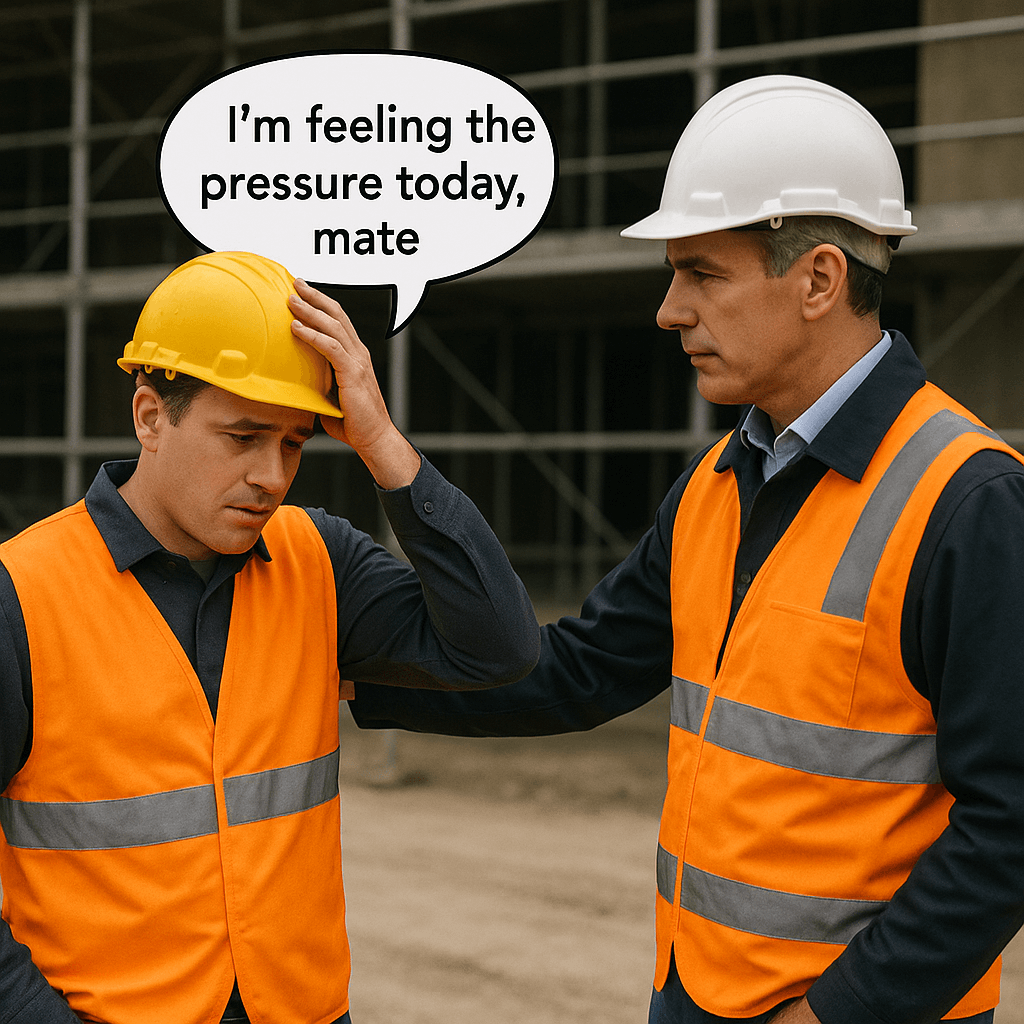
No matter how rough the night was. No matter what’s going on at home. No matter how heavy your head feels, you turn up, get the boots on and plough through the day but underneath the banter, the laughs and the “I’m sweet as, mate” responses, there’s a lot going on that rarely gets said out loud.
Addiction. Burnout. Depression. Anxiety. Guilt. Shame. Pressure.
Mental health in construction doesn’t just suffer in silence, it often hides behind humour and hard work.
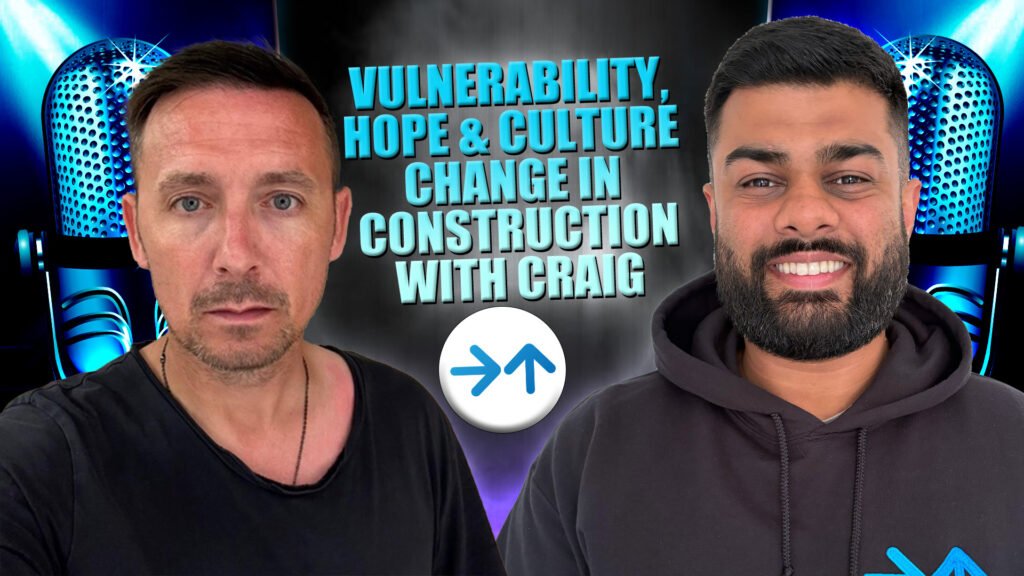
This blog is based on a brutally honest episode of the Onward Shift Podcast, where Craig sits down with Vish and speaks openly about alcohol addiction, cocaine use, burnout, loss and the realities of site culture. Not polished. Not rehearsed. Just real.
It matters because Craig isn’t talking about construction workers, he is one and his story reflects what many people are living through quietly, hoping no one notices.
In this episode, Vish is joined by Craig, a construction professional from Glasgow who has worked on the tools, moved into health and safety and lived through addiction, depression and burnout.
Craig speaks openly about starting drinking young, chasing a “rockstar” lifestyle while working in construction and how alcohol and drugs slowly became a coping mechanism rather than a laugh. He also shares the impact of losing a close friend in a fatal site accident, a moment that changed his relationship with work, safety and responsibility forever.
What makes this conversation important for construction workers is its honesty. Craig doesn’t present himself as “fixed” or “recovered.” He talks about daily struggles, putting control measures in place, and doing what he can to get through each day. This isn’t a motivational talk. It’s a real conversation about construction worker mental health, told without pretending everything’s alright.
If you prefer listening over reading, you can hear the full conversation on the Onward Shift Podcast.
 Listen to the episode here:
If this one lands, there are more real conversations on the Onward Shift Podcast that reflect the realities of life on site.
Craig doesn’t dress it up, alcohol and drugs were normalised early.
Drinking at 14. Partying hard. Living for nights out. Then carrying that lifestyle straight into construction. What started as “just a laugh” slowly became a way of coping with pressure, long hours and emotional weight.
This is a familiar story in construction. Addiction doesn’t usually start as addiction, it starts as fitting in, blowing off steam or getting through another week.
Craig talks openly about how alcohol and cocaine stopped being optional and started being necessary. Not because he was reckless but because he didn’t have better coping tools at the time.
Burnout in construction isn’t always about workload alone. It’s about carrying too much for too long.
Craig describes how work, addiction, loss and responsibility all collided. He kept showing up, kept functioning but mentally he was drained. Burnout didn’t arrive with a warning it crept in while he was still laughing, still working, still “fine.” Burnout in construction often hides behind competence. You’re still doing the job but everything feels heavier than it should.
One of the most sobering parts of the conversation is Craig speaking about losing his friend Davey in a fatal site accident. Someone he worked alongside. Someone he joked with. Someone who went to work and didn’t come home. That loss didn’t just hurt, it changed Craig’s relationship with safety, responsibility and guilt. It pushed him into health and safety but it also intensified his drinking and emotional load. Construction deaths don’t just affect statistics, they stay with the people who were there.
Craig speaks honestly about site culture, the banter, the laughs, the personalities that make construction feel like home but he also talks about the fine line between banter and harm. Between culture and bullying. Between humour and exclusion.
Construction culture isn’t bad but it can hide pain. And sometimes, people don’t speak up because they don’t want to be “that guy” who kills the vibe.
Mental wellbeing on site improves when people feel safe to be themselves without needing to hide behind jokes.
Craig repeatedly comes back to one phrase:
“It’ll never happen to me.”
That mindset exists everywhere in construction, with accidents, addiction and mental health. Until it does happen and then people don’t know where to turn. Stigma keeps people quiet. Policies remove people from site but rarely support them afterwards and too often, struggling workers are treated as problems rather than people.
These aren’t textbook tips, they’re survival habits Craig actually uses.
Treat your day like a risk assessment
Craig talks about putting “control measures” in place, small actions that make the day manageable. Making the bed. Getting up. Doing one thing right.
Be honest about bad days
Some days are just bad. Naming that takes pressure off pretending.
Don’t confuse removal with support
Being taken off site without support can push people deeper into crisis. Early access to construction mental health support through Onward Shift or similar services can make a real difference.
Laugh, but don’t hide behind it
Humour helps but it shouldn’t be the only place emotions live.
Stay connected to people who get it
Craig repeatedly stresses the importance of speaking to people who understand site life, not just policies.
Nothing changes if people keep pretending.
This conversation matters because it challenges the idea that strength means silence. It shows that vulnerability isn’t weakness, it’s leadership.
Construction doesn’t need more slogans. It needs more honesty. More empathy. More space for people to say, “I’m struggling,” without fearing the consequences. Culture changes when people start telling the truth.
Craig’s story isn’t neat. It isn’t inspirational in a glossy way and that’s exactly why it matters. Mental health in construction isn’t about fixing people, it’s about understanding them and it’s about recognising that addiction, burnout and depression don’t come from nowhere. They come from pressure, silence and being expected to carry everything alone.
If you’re reading this and thinking, “That sounds a bit like me,” you’re not broken. You’re not weak. You’re not the only one.
Take one small step. Listen to the episode. Read another story. Reach out for support. You don’t have to carry it all by yourself.

You can follow Craig on LinkedIn here: https://www.linkedin.com/in/craigpaton1982?originalSubdomain=uk
You can follow Craigs Youtube channel here: https://m.youtube.com/@ConstructiveComedyPresents

Have you ever started something with so much passion that you could picture exactly where it was going, only to lose sight of that picture

In our fast-paced, constantly connected world, it’s easy to overlook one of the most crucial aspects of our well-being: mental health. Often overshadowed by physical health, mental health is just as important, if not more so, in ensuring a balanced and fulfilling life.

A construction site can be one of the busiest places imaginable. People are moving in every direction, radios are going off, trades are working alongside

The Warning Signs We Would Never Ignore on Site If someone walked onto a construction site wearing damaged PPE, working near exposed live cables or

You start a project expecting pressure. The programme is tight, several trades are working on top of one another and the client wants answers quickly.
If you’re thinking about getting into the construction industry in the UK, you’re probably standing at a crossroads. Maybe you’re 16 and you enjoy building
If you’re feeling overwhelmed or need someone to talk to, there are organisations that offer free, confidential support for mental health challenges, especially for professionals in high stress industries like construction and engineering. Here are some options available:
Provides a 24/7 confidential listening service for anyone struggling with their mental health or in distress.
A free and confidential text-based crisis support service available 24/7.
The Lighthouse Construction Industry Charity provides vital support to construction workers and their families, offering financial assistance, mental health support, and occupational health advice.
Mates in Mind works to improve mental health awareness within the construction sector. They provide training and resources to help businesses and workers address mental health challenges.
B&CE’s Construction Worker Helpline offers free support and guidance for industry workers facing financial difficulties, stress, or personal challenges. Available from 8am-8pm, 7 days a week.
Provides confidential advice and financial assistance for people working in the electrical industry.
The Rainy Day Trust provides financial assistance and support to those working in the home improvement, construction, and allied trades industries.
CRASH helps homelessness charities and hospices by providing construction-related assistance, offering expertise and materials for vital building projects.
This organisation helps young people discover career opportunities in the construction industry, breaking down stereotypes and offering pathways into the trade.
Offers emotional support and guidance for anyone affected by bereavement.
Provides 24/7 support for individuals struggling with gambling-related issues.
At AA, alcoholics help each other. We will support you. You are not alone. Together, we find strength and hope. You are one step away.
A free listening service for individuals experiencing suicidal thoughts, open from 6pm to midnight daily.
A helpline offering support and information to LGBTQIA+ individuals on topics like mental health, relationships, and identity.
Provides young people with advice and support on topics such as mental health, finances, relationships, and homelessness.
The construction industry can be both rewarding and challenging but no one should have to face difficulties alone. Whether you need financial help, mental health support or career guidance, these organisations are here to assist you. If you or someone you know is struggling, don’t hesitate to reach out. If you found this list helpful, consider sharing it with colleagues or on social media to spread awareness. Let’s build a stronger, healthier construction industry together!
Helping construction, one conversation at a time.
Helping construction, one conversation at a time.
We use cookies to make our website work properly, improve performance and personalise your experience. You can accept all cookies or manage your preferences.