

The Sadness Around Mental Health and Suicide in Construction
It’s worse than I thought, much worse 💔 Over the past week, I’ve been speaking with construction workers across different companies and the stories I’ve
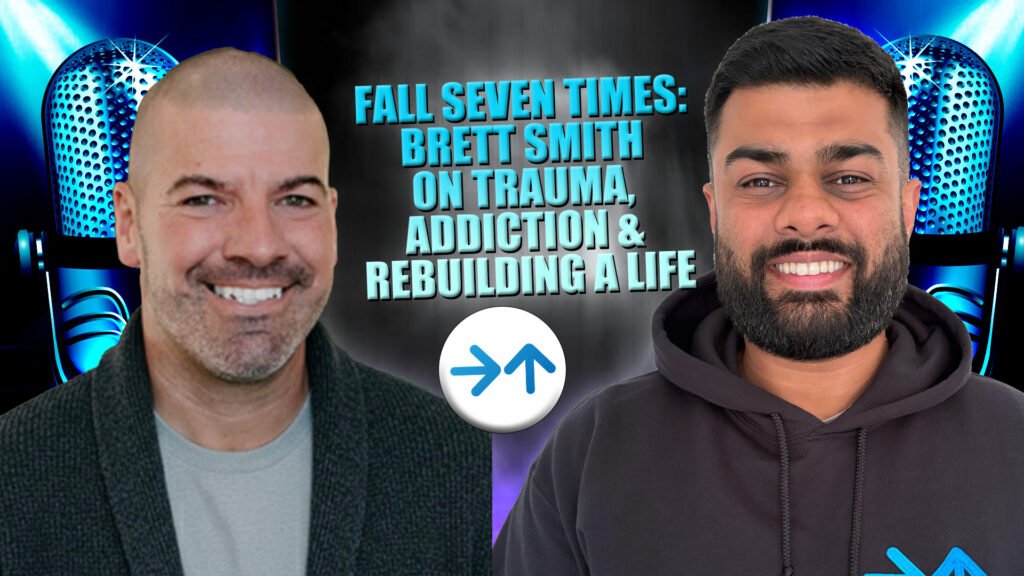
Mental health in construction is often spoken about in statistics. Rates. Percentages. Headlines. We talk about numbers because they feel measurable. Safer and easier to handle however behind every statistic is a person who once stood onsite, laced up their boots and carried on like nothing was wrong. This episode with Brett Smith was one of those conversations that sits with you afterwards. Not because it was dramatic. Not because it was sensational but because it was brutally honest. Imagine being an 18-year-old who kid loses the use of his arm in car accident. Brett’s identity shifted overnight. He spirals into addiction and by the mere age of only 21 he’s planning suicide but fortunately a friend intervenes. He survives. He rebuilds. He enters pipeline construction and today he is a Global Safety Director for Gardner Builders, with all that he has been through he’s now he’s redesigning how we think about safety in construction. This isn’t just a resilience story. It’s a culture story and if we’re serious about improving mental health in construction, we have to look deeper than posters on welfare walls!
At 18 years old, you don’t just lose the use of an arm. You lose an imagined future. Construction is physical. It’s identity. It’s capability. It’s pride in what you can build and what your body can withstand. When that is taken away, the impact isn’t just medical. It’s psychological. We rarely talk about the identity crisis that follows injury in construction. We focus on the rehab timeline, the return-to-work plan and the compliance paperwork but what about the internal shift? The grief? The anger? The fear of being seen as “less capable”? In the UK, serious workplace injuries in construction are not uncommon. The Health and Safety Executive continues to report higher rates of fatal and major injury compared to many other industries. We have frameworks around physical safety. We track incidents. We investigate root causes but we rarely track the emotional aftermath. For Brett, that aftermath led to self-medication. Substance use. A quiet decline that most people around him didn’t fully understand.
Addiction in construction is often hidden in plain sight. Alcohol culture. Painkiller reliance. Using substances to dampen anxiety or trauma. It’s rarely discussed openly because it clashes with the “tough it out” culture.
If you prefer listening over reading, you can hear the full conversation on the Onward Shift Podcast.
 Listen to the episode here:
Listening in your van, on-site or on a walk can sometimes land harder than words on a screen.
We can’t talk about mental health in construction without addressing suicide. In the UK, construction workers are significantly more likely to die by suicide compared to the national average. In the United States, the statistics show similar trends, with construction consistently ranking among the highest-risk industries for suicide rates. Different countries. Same pattern. The combination of high stress, job insecurity, physical demands, substance misuse and cultural stigma around vulnerability creates a perfect storm. Brett described planning his suicide at 21. That sentence alone should make us pause. Twenty-one. A young man who survived an accident, survived addiction but nearly didn’t survive his own thoughts. What changed? A friend intervened and that detail matters more than we realise!
When Brett speaks about that moment, it isn’t dramatic. It’s simple. A friend noticed something wasn’t right and stepped in. In the UK, we often say “check in on your mates” but we don’t always unpack what that actually means. It means awkward conversations. It means noticing behaviour changes. It means being willing to ask, “How are you?” and then sitting with whatever comes next. Construction culture isn’t built around emotional conversations. It’s built around getting the job done but sometimes the job that matters most is the one off-site. When I reflect on that part of Brett’s story, it reinforces something I see repeatedly: prevention rarely looks like grand gestures. It looks like small interruptions. A message. A call. A mate refusing to ignore the signs. Mental health in construction isn’t fixed by strategy alone. It’s strengthened by connection and we all play that part.
One of the most important parts of this conversation was reframing addiction not as moral failure but as coping. After injury and trauma, Brett turned to substances. Not because he lacked discipline. Not because he was reckless but because he was overwhelmed.
Construction environments are full of people who cope in silence. Some cope through overworking. Some through alcohol. Some through anger. Some through shutting down emotionally. The industry often responds with discipline rather than curiosity. We see behaviour. We correct it but we rarely ask what’s underneath it. If someone is consistently irritable onsite, what’s happening at home? If someone’s performance drops, what are they carrying privately? Mental health in construction cannot improve if we treat symptoms without exploring causes. We should lead with empathy.
Here’s where the story shifts. Brett doesn’t just survive. He rebuilds. He enters pipeline construction. He rises through leadership roles and eventually becomes a Global Safety Director. That trajectory matters. He didn’t become a motivational speaker outside the industry. He didn’t leave construction entirely. He stayed inside it and began influencing it and this is where the conversation deepens. Because physical safety culture in construction has improved dramatically over the last two decades. Hard hats, harnesses, procedures, audits. We’ve professionalised safety but psychological safety? Emotional safety? That’s still catching up. Brett now speaks about deconstructing safety culture. Not removing it. Expanding it. Safety isn’t just about preventing falls. It’s about preventing whats happening in the mind as well.
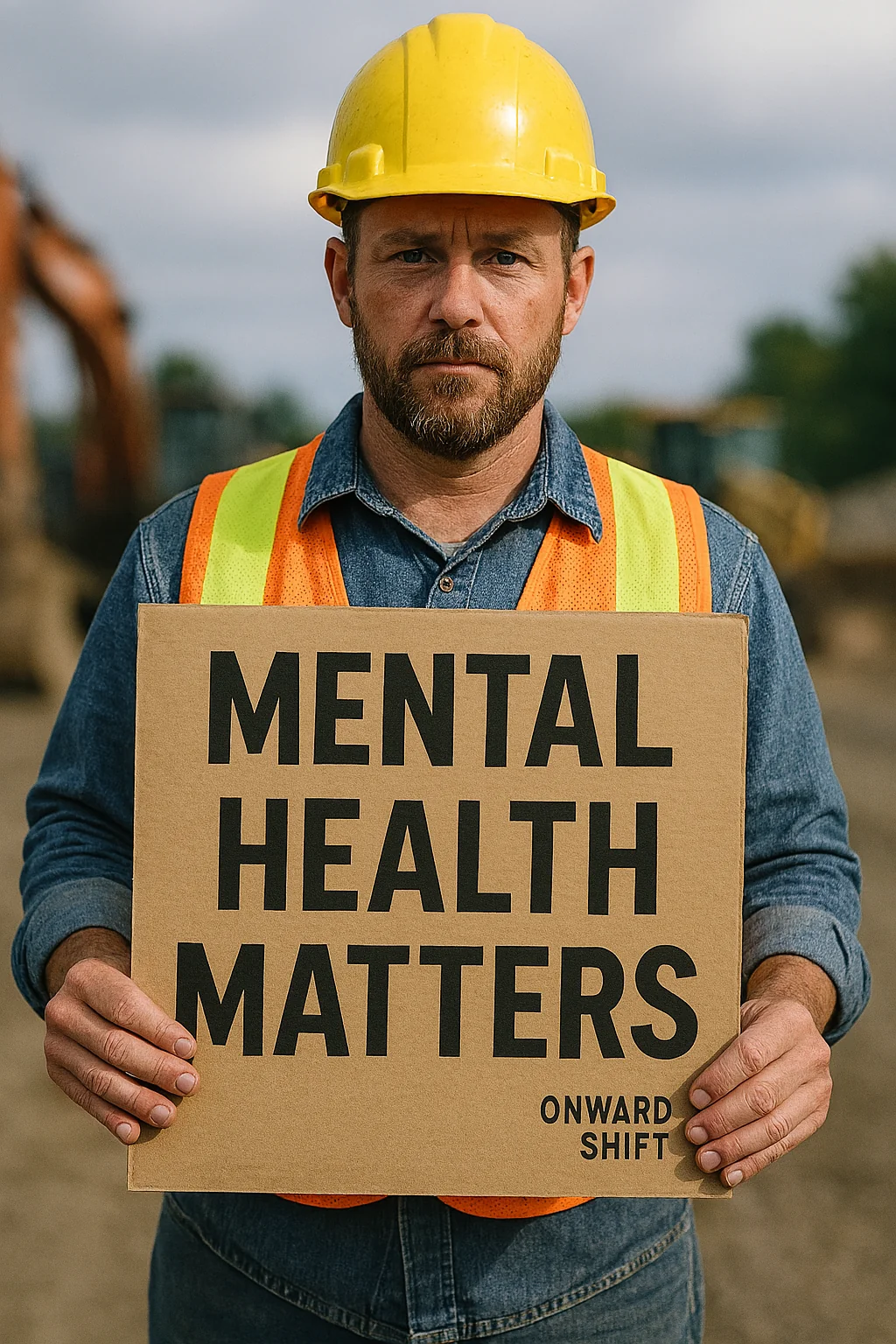
Construction talks about safety every day but what do we mean by it? If safety only means “don’t get physically injured”, we are missing half the picture. Emotional regulation affects decision-making. Chronic stress affects attention. Substance misuse affects risk-taking. Shame affects reporting. Silence affects intervention. You cannot separate mental health in construction from safety performance. Leadership plays a role here. If site leaders only talk about output, deadlines and compliance, the message is clear: vulnerability is secondary but if leaders model emotional regulation, check in on their teams and openly discuss mental health, culture shifts.
Both the UK and the US face significant challenges regarding suicide in construction. The US often reports higher raw numbers due to scale but when adjusted proportionally, both countries reveal uncomfortable patterns. The causes overlap: masculine norms, financial pressure, physical injury, substance use, long hours, job insecurity. The solution also overlaps: culture change. Not surface-level campaigns. Deep shifts in how we talk about stress, injury, performance and support. This is why conversations like Brett’s matter. They bridge geography. They show that mental health in construction is not a local issue. It’s systemic.
When I listen to stories like Brett’s, I don’t just hear someone else’s journey. I hear the culture I’ve worked in for over 15 years. I know what it feels like to push through anxiety because “that’s just the job”. I know what it feels like to carry stress silently because you don’t want to be seen as weak. I know how easy it is for performance and identity to become intertwined. That’s partly why Onward Shift exists. Not because construction is broken, but because it’s evolving. Peer champion models, like the ones Brett now promotes, are powerful because they decentralise support. They don’t rely on one HR department or one policy. They empower people on the ground. When someone onsite becomes a safe point of contact, that changes the dynamic. It moves mental health in construction from corporate messaging into lived practice.
If we want to improve mental health in construction, leaders must understand that performance and wellbeing are linked. A regulated workforce performs better. A supported workforce reports issues earlier. A connected workforce intervenes sooner. Leadership is not about having all the answers. It’s about creating environments where asking questions feels safe. When someone admits they’re struggling, the response they receive shapes whether they speak up again. Brett’s journey from near-suicide to safety leadership shows what happens when lived experience meets influence.
If Craig’s story feels familiar, support exists, without judgement or pressure.
Onward Shift offers:
Support doesn’t mean you’ve failed. It means you’re taking responsibility for yourself.
This isn’t a story about perfection. It’s a story about progression. Injury did not end Brett’s career. Addiction did not define him. A suicide plan did not become his legacy. Intervention mattered. Support mattered. Leadership mattered. Mental health in construction will not improve overnight but every conversation chips away at stigma. If we treat mental health with the same seriousness we treat physical hazards, culture changes. If we train people to recognise emotional warning signs with the same urgency we train them to spot trip hazards, outcomes shift. If we build peer networks instead of relying solely on policies, support becomes accessible.
Construction builds the world around us. Roads. Homes. Infrastructure. Energy systems but it is built by people and people are not invincible. Brett’s story is not comfortable but it is necessary. It reminds us that behind every hard hat is a nervous system under pressure. Behind every safety briefing is someone who might be carrying something heavy. Mental health in construction is not a trend. It is a responsibility. If this blog resonates, have the conversation. Onsite. In the van. Over a brew and if you’re building systems around mental health, look beyond compliance. Look at culture because sometimes safety leadership starts with one person saying, “I’m not alright.” and another person replying, “Let’s talk.”

It’s worse than I thought, much worse 💔 Over the past week, I’ve been speaking with construction workers across different companies and the stories I’ve

The construction industry is renowned for its demanding work environments, tight deadlines and physically strenuous tasks. While these challenges are often seen as part of

The construction industry is one of the most demanding sectors, often requiring long working hours, high levels of physical and mental endurance, and the management

Picture this. Three blokes sitting on a park bench on a warm spring day. The sun’s out, a light breeze moves through the trees and

Entrepreneurship is often romanticised as an exhilarating journey filled with freedom, creativity, and success. While it can be all those things, the entrepreneurial lifestyle also comes with its fair share of challenges and uncertainties.

Every day, engineers and construction workers play a critical role in keeping our homes, offices, and essential infrastructure functional; however, they are often judged by
If you’re feeling overwhelmed or need someone to talk to, there are organisations that offer free, confidential support for mental health challenges, especially for professionals in high stress industries like construction and engineering. Here are some options available:
Provides a 24/7 confidential listening service for anyone struggling with their mental health or in distress.
A free and confidential text-based crisis support service available 24/7.
The Lighthouse Construction Industry Charity provides vital support to construction workers and their families, offering financial assistance, mental health support, and occupational health advice.
Mates in Mind works to improve mental health awareness within the construction sector. They provide training and resources to help businesses and workers address mental health challenges.
B&CE’s Construction Worker Helpline offers free support and guidance for industry workers facing financial difficulties, stress, or personal challenges. Available from 8am-8pm, 7 days a week.
Provides confidential advice and financial assistance for people working in the electrical industry.
The Rainy Day Trust provides financial assistance and support to those working in the home improvement, construction, and allied trades industries.
CRASH helps homelessness charities and hospices by providing construction-related assistance, offering expertise and materials for vital building projects.
This organisation helps young people discover career opportunities in the construction industry, breaking down stereotypes and offering pathways into the trade.
Offers emotional support and guidance for anyone affected by bereavement.
Provides 24/7 support for individuals struggling with gambling-related issues.
At AA, alcoholics help each other. We will support you. You are not alone. Together, we find strength and hope. You are one step away.
A free listening service for individuals experiencing suicidal thoughts, open from 6pm to midnight daily.
A helpline offering support and information to LGBTQIA+ individuals on topics like mental health, relationships, and identity.
Provides young people with advice and support on topics such as mental health, finances, relationships, and homelessness.
The construction industry can be both rewarding and challenging but no one should have to face difficulties alone. Whether you need financial help, mental health support or career guidance, these organisations are here to assist you. If you or someone you know is struggling, don’t hesitate to reach out. If you found this list helpful, consider sharing it with colleagues or on social media to spread awareness. Let’s build a stronger, healthier construction industry together!

A Mental Health Hub Dedicated to Support Construction
We use cookies to make our website work properly, improve performance and personalise your experience. You can accept all cookies or manage your preferences.