

Managing Expectations in Relationships
Setting expectations is inevitable when it comes to relationships, whether romantic, family, or friendships; however, setting high expectations can often lead to disappointment and strain.
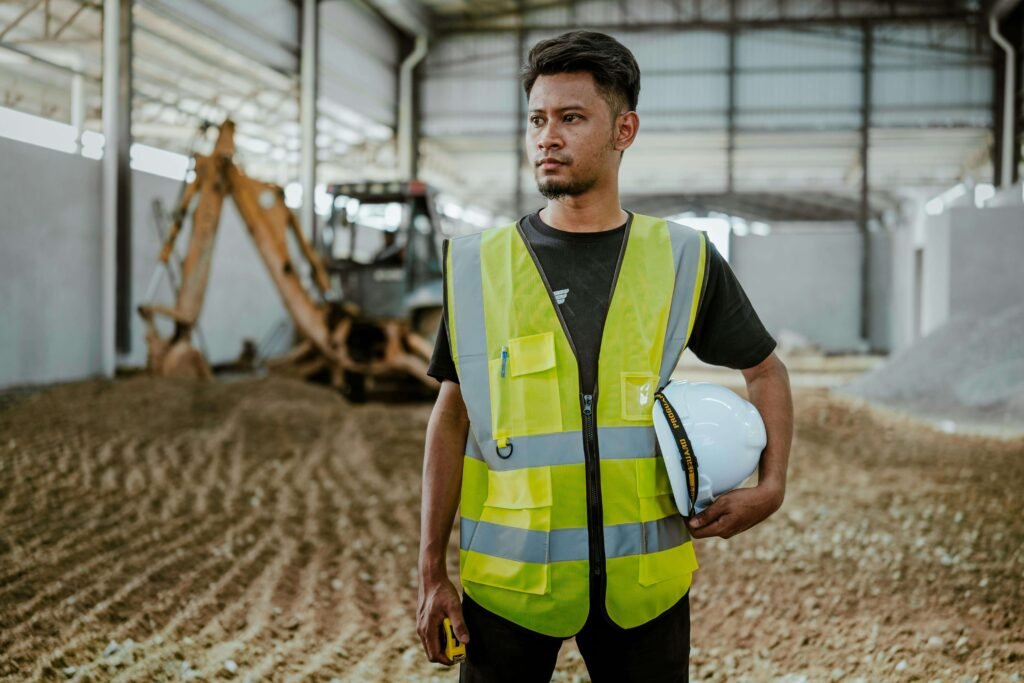
Masculinity, mental health and suicide are tightly interwoven in the UK. For men across ages and professions the cultural pressure to be “strong”, stoic and self-reliant creates barriers to asking for help. Those barriers are tightened in male-dominated sectors such as construction, where long hours, insecure work, physical strain and workforce culture combine to produce one of the highest suicide rates by industry in the country.
This piece is written for men who may be struggling, for families and friends who want to help and for employers, managers and HR teams in construction who want to take meaningful action. It is also written for the wider public: to explain how masculinity and suicide prevention intersect and what practical steps we can take, today.
Suicide rates in England and Wales increased in 2023, reaching levels not seen in decades. In 2023 there were several thousand registered suicides in England and Wales, and the overall suicide rate rose, with men making up around three quarters of those deaths. Office for National StatisticsSamaritans
Men are disproportionately affected: the male suicide rate is several times higher than the female rate and men in middle age (particularly those aged around 45–49) show some of the highest rates. Samaritans
The construction industry is a major concern. Analyses and charity reporting show that construction workers are significantly more likely than average to die by suicide a frequently-quoted figure is that about two construction workers take their own lives each working day, and that recorded construction suicides numbered in the hundreds in recent measurement years (for example, 507 construction-occupation suicides recorded in 2021, 700 in 2023). The construction sector’s suicide rate per 100,000 has been reported at levels substantially above the national average. Lighthouse CharityUK Parliament Committees
These are not abstract numbers. They are fathers, brothers and friends. They are colleagues whose absence is felt on site and at home.
Masculinity describes a set of traits, roles and expectations associated culturally with men. It covers a wide range of behaviours from positive qualities such as responsibility, loyalty and protectiveness, to harmful norms like emotional suppression and aggressive competitiveness. Masculinity is culturally constructed and varies across time, class and communities.
“Stoicism” originally refers to a classical school of philosophy (Seneca, Epictetus, Marcus Aurelius) that emphasised rational acceptance of what we cannot control, reflection and self-discipline. In modern, everyday speech the word “stoic” is often used to mean “don’t show emotion” a much narrower and sometimes damaging interpretation.
When stoicism becomes shorthand for emotional suppression it prevents people from processing grief, stress or anxiety. True stoic philosophy includes self-examination and resilience-building not silence until breaking-point. Reframing stoicism to include emotional literacy can make it a resource, not a trap.
Phrases like “man up” and cultural rituals that reward emotional toughness send a clear message: vulnerability is weakness. In workplaces where that message is normalised, men are far less likely to disclose distress, book counselling or tell a manager they’re struggling. This cultural silence is a major contributor to preventable suicides.
The statistics above point to a stark truth: the construction industry faces unique and compounding risk factors. These include:
Construction remains predominantly male at many levels. That dominance can reinforce outdated norms about how men should behave, encouraging stoicism and mockery of emotional expression.
Many site workers, subcontractors and specialist tradespeople work on short contracts or on a self-employed basis. Gaps between jobs, late payments and seasonality create sharp financial stress, which is a well-known suicide risk factor.
Early starts, long days and rotating shifts (including night work on some projects) disrupt sleep and recovery. Chronic fatigue reduces emotional resilience and can magnify anxiety and depressive symptoms.
Large projects can involve travel, overnight stays and temporary accommodation; this dislocates workers from family and local supports. Small crews or lone working in particular can mean problems go unnoticed until they are critical.
Injury can lead to prolonged time off work, loss of identity tied to physical capability, financial strain and isolation all of which increase mental health risk.
Although larger firms may offer Employee Assistance Programmes (EAPs) or counselling, many smaller employers and subcontractors do not have formal support systems. On-site welfare provision varies widely across the industry. Charities and industry partnerships have stepped in but coverage is not universal. Lighthouse Charity+1
All of these features are common in construction and together make the occupational context especially hazardous for mental wellbeing which helps explain why the industry’s suicide rate is substantially higher than the national average. Lighthouse Charity
Suicidal behaviour is complex, but there are signals that someone may need help. Not every person shows obvious signs, but some patterns commonly precede crisis:
On site, these signs can present as decline in work quality, repeated lateness or abrupt absence. At home they may appear as withdrawn moods, arguments or uncharacteristic silence. Spotting these changes early and responding compassionately is vital.
People worry that asking about suicide might “give someone the idea”; evidence shows the opposite. A calm, direct, non-judgemental approach creates space for disclosure.
Construction employers have a moral and legal duty to protect workers’ health mentally as well as physically. Practical measures that make a difference include:
Toolbox talks are standard practice for physical hazards make mental health a regular item too. Normalising mental health briefings reduces stigma and increases awareness.
Line managers are often the first port of call. Training to spot signs of distress, respond appropriately and refer to support is essential. A trained manager can be the difference between someone getting help and someone slipping into crisis.
Provide clear, confidential routes for counselling and coaching. For mobile or self-employed workers, signpost industry charities (e.g. Lighthouse, Mates in Mind) and make external services like Onward Shift easy to find and use.
Consider phasing, redeployment or short periods of lower-pressure work for those returning from injury or experiencing mental health challenges.
Make payment schedules reliable, signpost financial advice services and support staff through sick pay or hardship channels where possible.
Peer networks disrupt the “alone” story. A buddy system encourages monitoring of wellbeing and opens informal routes to talk.
Leaders must call out language and behaviour that dismisses mental health concerns. Cultural change is driven from the top down.
These steps are practical, evidence-based and crucially, affordable relative to the human and financial cost of inaction.
At Onward Shift we specialise in mental health support for the construction sector because we understand the industry’s specific challenges: mobile workforces, short contracts, changing employers and a culture that can discourage help-seeking.
We aim to make reaching out easy and unremarkable. If someone on site needs support, Onward Shift can be a first step – confidential, practical and focused on outcomes. (Visit: www.onwardshift.com)
Below are anonymised stories that reflect common patterns and how early, practical responses helped:
Story 1 – The quiet foreman
A foreman began missing morning briefings and snapping at his crew. A colleague asked if he was OK; he admitted money worries after a separation. A manager offered a confidential chat and referred him to counselling. Within weeks he had a plan for debt advice and counselling; six months later he reported feeling more in control and returned to full duties.
Story 2 – The subcontractor away from home
A self-employed plumber who travelled between projects started drinking heavily and declined invitations. A site buddy noticed and reached out; they shared a tea break and the plumber admitted feeling hopeless. The buddy offered to sit with him while he called Samaritans and then helped him access Onward Shift coaching. He later joined a local social group and reported reduced isolation.
These examples show that simple human contact, compassionate listening and practical signposting can change the trajectory.
Research and charity impact reports show a combination of the following is effective:
Sector charities (Lighthouse, Mates in Mind), Samaritans, CALM and dedicated providers such as Onward Shift have demonstrated impact through training programmes, helplines and direct support. Industry collaborations that combine organisational policy with on-site practice produce durable improvements in both safety climate and help-seeking behaviour. Lighthouse CharityUK Parliament Committees
If you are struggling or worried about someone, please use these services. They are confidential and available now:
If you’re an employer, keep these names visible on site noticeboards, safety packs and toolboxes.
These are low-cost but high-impact steps that shift culture and reduce risk.
Words shape norms. Replace dismissive language with empathetic alternatives:
Small shifts in language change how comfortable people feel to disclose.
Imagine an industry where:
That future is achievable. It requires leadership, investment and commitment to cultural change. The cost of inaction is measured in lives.
Being a man is not a single blueprint. Strength can and should include admitting we’re struggling, asking for help and making space for others to do the same. On World Suicide Prevention Day and every day after it, make the call, have the conversation, and check back in.
If you are reading this and considering harming yourself, please call Samaritans on 116 123 now. If you’re in immediate danger, call 999.
If you are an employer in construction and want practical, confidential support to implement the steps above, visit www.onwardshift.com – we work with sites, leaders and individuals to put mental health on the same level as hard hats and toolboxes.
Setting expectations is inevitable when it comes to relationships, whether romantic, family, or friendships; however, setting high expectations can often lead to disappointment and strain.

Have you ever started something with immense passion, only to find yourself lost along the way? Perhaps the vision that was once so clear became

Mental health in construction is often spoken about in statistics. Rates. Percentages. Headlines. We talk about numbers because they feel measurable. Safer and easier to

In our fast-paced, constantly connected world, it’s easy to overlook one of the most crucial aspects of our well-being: mental health. Often overshadowed by physical health, mental health is just as important, if not more so, in ensuring a balanced and fulfilling life.

Fifty years ago, the concept of mental health was often met with skepticism and misunderstanding. Picture this: someone mentioning that they were visiting a mental
Construction is one of the toughest industries to work in. It’s physically demanding, deadline-driven and often defined by a “just get on with it” culture.
If you’re feeling overwhelmed or need someone to talk to, there are organisations that offer free, confidential support for mental health challenges, especially for professionals in high stress industries like construction and engineering. Here are some options available:
Provides a 24/7 confidential listening service for anyone struggling with their mental health or in distress.
A free and confidential text-based crisis support service available 24/7.
The Lighthouse Construction Industry Charity provides vital support to construction workers and their families, offering financial assistance, mental health support, and occupational health advice.
Mates in Mind works to improve mental health awareness within the construction sector. They provide training and resources to help businesses and workers address mental health challenges.
B&CE’s Construction Worker Helpline offers free support and guidance for industry workers facing financial difficulties, stress, or personal challenges. Available from 8am-8pm, 7 days a week.
Provides confidential advice and financial assistance for people working in the electrical industry.
The Rainy Day Trust provides financial assistance and support to those working in the home improvement, construction, and allied trades industries.
CRASH helps homelessness charities and hospices by providing construction-related assistance, offering expertise and materials for vital building projects.
This organisation helps young people discover career opportunities in the construction industry, breaking down stereotypes and offering pathways into the trade.
Offers emotional support and guidance for anyone affected by bereavement.
Provides 24/7 support for individuals struggling with gambling-related issues.
At AA, alcoholics help each other. We will support you. You are not alone. Together, we find strength and hope. You are one step away.
A free listening service for individuals experiencing suicidal thoughts, open from 6pm to midnight daily.
A helpline offering support and information to LGBTQIA+ individuals on topics like mental health, relationships, and identity.
Provides young people with advice and support on topics such as mental health, finances, relationships, and homelessness.
The construction industry can be both rewarding and challenging but no one should have to face difficulties alone. Whether you need financial help, mental health support or career guidance, these organisations are here to assist you. If you or someone you know is struggling, don’t hesitate to reach out. If you found this list helpful, consider sharing it with colleagues or on social media to spread awareness. Let’s build a stronger, healthier construction industry together!

The Mental Health Platform Built for Construction
The Mental Health Platform Built for Construction
We use cookies to make our website work properly, improve performance and personalise your experience. You can accept all cookies or manage your preferences.