

Breaking the Silence: Addressing Mental Health in Construction
Picture this. Three blokes sitting on a park bench on a warm spring day. The sun’s out, a light breeze moves through the trees and
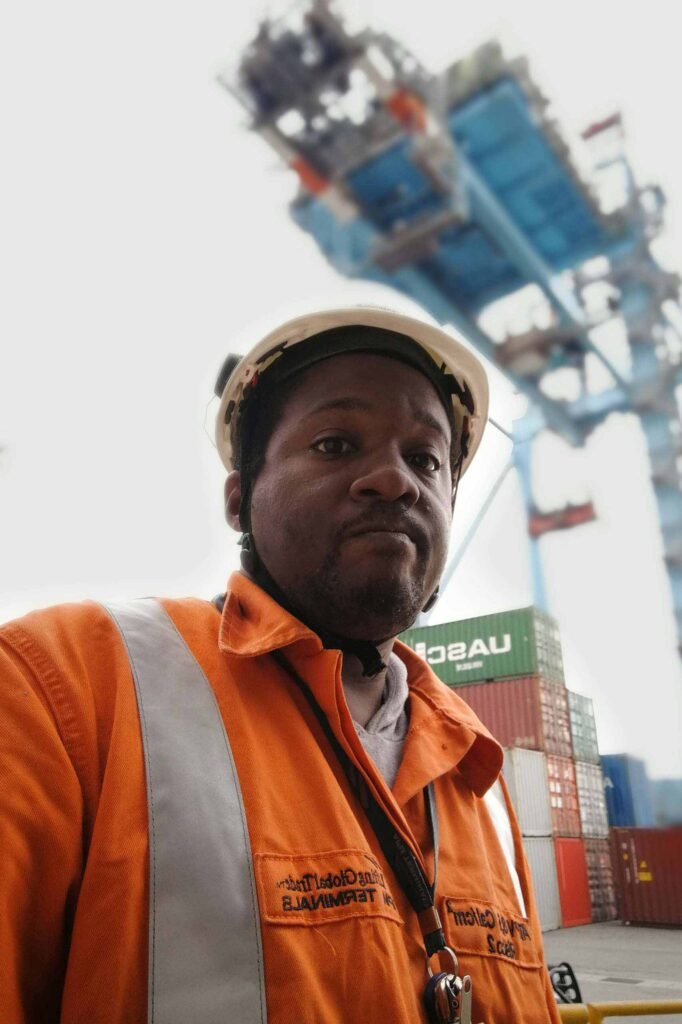
Seven years ago, I was sitting in a therapist’s room feeling like my body had decided to turn against me. My chest felt tight, my thoughts were running ahead of themselves and I couldn’t slow anything down from the outside, I looked fine. I’d still gone to work. I’d still answered emails. I’d still shown up and started a smile and laugh throughout the day but inside, it felt like I was constantly bracing for something. That low-level hum of pressure that never fully switched off, not in bed, not in the and not on site surrounded by noise.
My therapist listened, nodded and then said something that, at the time, sounded almost insultingly simple.
“Let’s work on your breathing”
Now, if you work in construction, you’ll understand why my internal reaction wasn’t exactly enthusiastic. Breathing exercises? Really? I’m in steel toe caps, not a yoga studio. I don’t need incense and whale music. I need solutions and right now! But she taught me the 4-7-8 breathing technique that day. I tried it reluctantly and to my surprise, something shifted. Not dramatically. Not spiritually. Just physically. My heart slowed. My shoulders dropped. The racing thoughts lost a bit of volume and seven years later, I still use it. Sometimes when someone cuts me up driving the van and I feel that instant surge of anger. Sometimes before a tense conversation with a client. Sometimes before pricing a job I’ve priced a hundred times before but still want to get right. Sometimes before stepping onto a stage to deliver a keynote speech and sometimes just because my ADHD brain has decided to sprint ahead of reality again… if you know, you know.
Working in construction, you need tools that work in real life. Something you can use in the van, onsite, in the toilet before a meeting or lying in bed when your head won’t stop replaying the day. The 4-7-8 breathing technique is one of those tools.
Stress in construction rarely arrives in one dramatic moment. It builds. It layers. It accumulates.
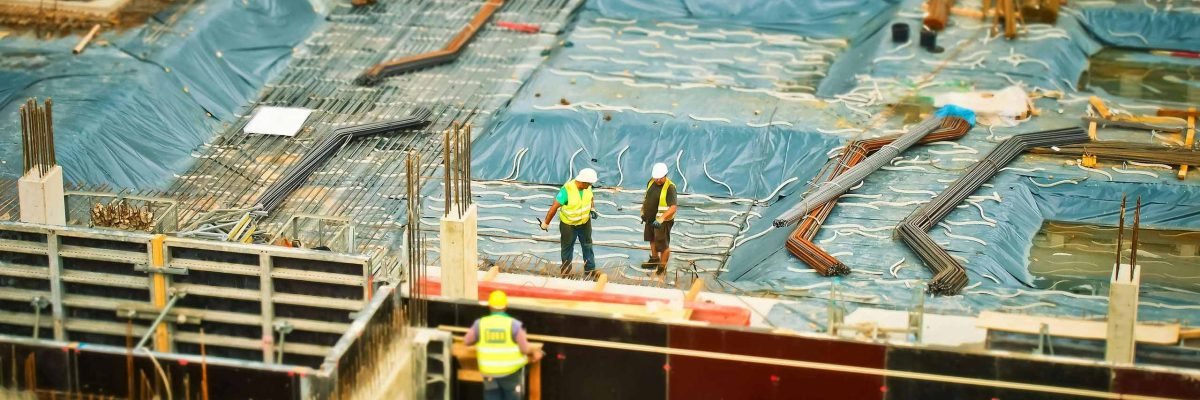
You’ve got deadlines that don’t move even when the weather does. You’ve got budgets that are tight. You’ve got snags that weren’t your fault but somehow land on your plate. You’ve got clients who want everything yesterday. You’ve got suppliers running late. You’ve got traffic that adds an hour to your commute when you were already running behind. Individually, each of these are manageable however collectively, they push your nervous system into a constant state of alert. When that happens, your body shifts into what’s known as the sympathetic nervous system response. That’s the fight-or-flight state. Your heart rate increases. Your breathing becomes shorter and faster. Your muscles tense. Your body releases stress hormones like adrenaline and cortisol. You become more reactive, less reflective.
The culture in construction has traditionally been to push through it. Get on with it. Don’t complain. Don’t make a fuss and that mindset has strengths. It builds resilience. It builds accountability but on the same token it means many people never learn how to regulate the pressure. They just absorb it. Over time, that has a cost. So lets address it with something you can work on today.
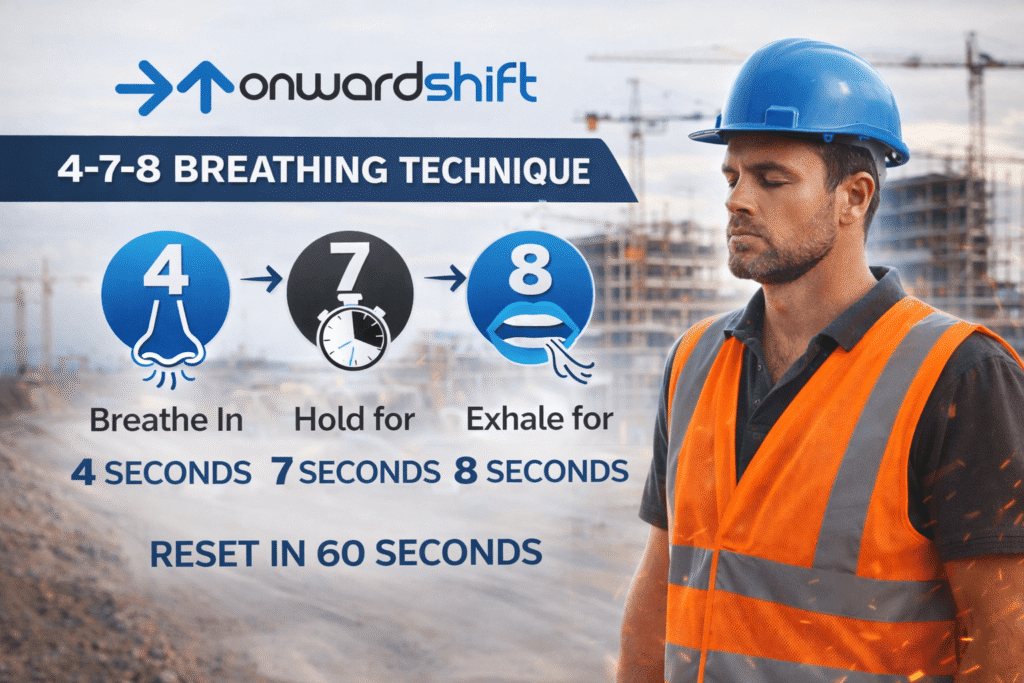
The 4-7-8 breathing technique is a structured breathing pattern designed to calm the nervous system quickly. It was popularised by Dr Andrew Weil, who adapted it from ancient yogic breathing practices known as pranayama. While the roots are traditional, the physiological effects are well understood in modern science.
The structure is simple. You inhale through your nose for four seconds. You hold the breath for seven seconds. You then exhale slowly through your mouth for eight seconds. You repeat this cycle three or four times. On paper, it sounds almost too basic to matter but the sequence is deliberate. Each part plays a role in shifting your body out of a stress response and back into a regulated state. This is why the 4-7-8 breathing technique is increasingly discussed under searches like “how to calm anxiety quickly” and “breathing exercises for stress”. It isn’t a motivational slogan. It’s physiology.

There’s still a stigma around breathing exercises, especially in masculine industries. If we’re honest, a lot of people hear “breathing technique” and immediately picture someone sat cross-legged in linen trousers whispering affirmations into the sunset. That image doesn’t exactly land on a muddy site at 7am but here’s the reality. Structured breathing techniques are used in high-pressure professions all over the world. Variations of controlled breathing are used by military personnel to manage acute stress in operational environments. Box breathing, for example, is commonly referenced in military training to regulate heart rate under pressure. Elite athletes use breath control before competition. Emergency responders use breath pacing to avoid over-arousal during critical incidents. Not because it’s trendy. Because it works. The 4-7-8 breathing technique isn’t about becoming calm for the sake of it. It’s about regaining control of your physiology so you can perform properly. There’s nothing soft about that.
To understand why the 4-7-8 breathing technique works, you need to understand the nervous system in simple terms. Your autonomic nervous system has two main branches. The sympathetic branch is responsible for activating your stress response. The parasympathetic branch is responsible for calming you down and restoring balance. When you’re under pressure, your breathing becomes shallow and fast. This reinforces the stress response. Your heart rate increases. Cortisol rises. Your body prepares for threat.
The 4-7-8 breathing technique interrupts that loop.
The four-second inhale draws in oxygen steadily but it’s the seven-second hold and eight-second exhale that matters most. Holding the breath briefly increases carbon dioxide tolerance, which can stabilise breathing patterns. The longer exhale stimulates the vagus nerve, a key component of the parasympathetic nervous system. Activation of the vagus nerve slows heart rate, reduces stress hormone output and improves heart rate variability, which is associated with resilience and emotional regulation. In simple terms, the extended exhale tells your body that it is safe. When the body believes it is safe, it reduces the stress response. This is why longer exhales are associated with calming effects across multiple studies examining breathing exercises for stress management. It isn’t magic. It’s biology!
It’s also important to acknowledge that many people in construction live with neurodivergent traits. ADHD, in particular, is often under-diagnosed in adults. UK data suggests that approximately 3–4% of adults have ADHD, though broader neurodivergent traits are far more common. Informal observations within trades suggest that hands-on, fast-paced industries often attract individuals who thrive on movement and problem-solving but may struggle with internal regulation. If you have ADHD or experience racing thoughts, your nervous system can feel permanently switched on. The 4-7-8 breathing technique provides a physical anchor. Counting creates structure. The hold forces pause. The extended exhale reduces intensity. It doesn’t remove neurodiversity but it gives you a lever to over come the days where to all feels just too much.
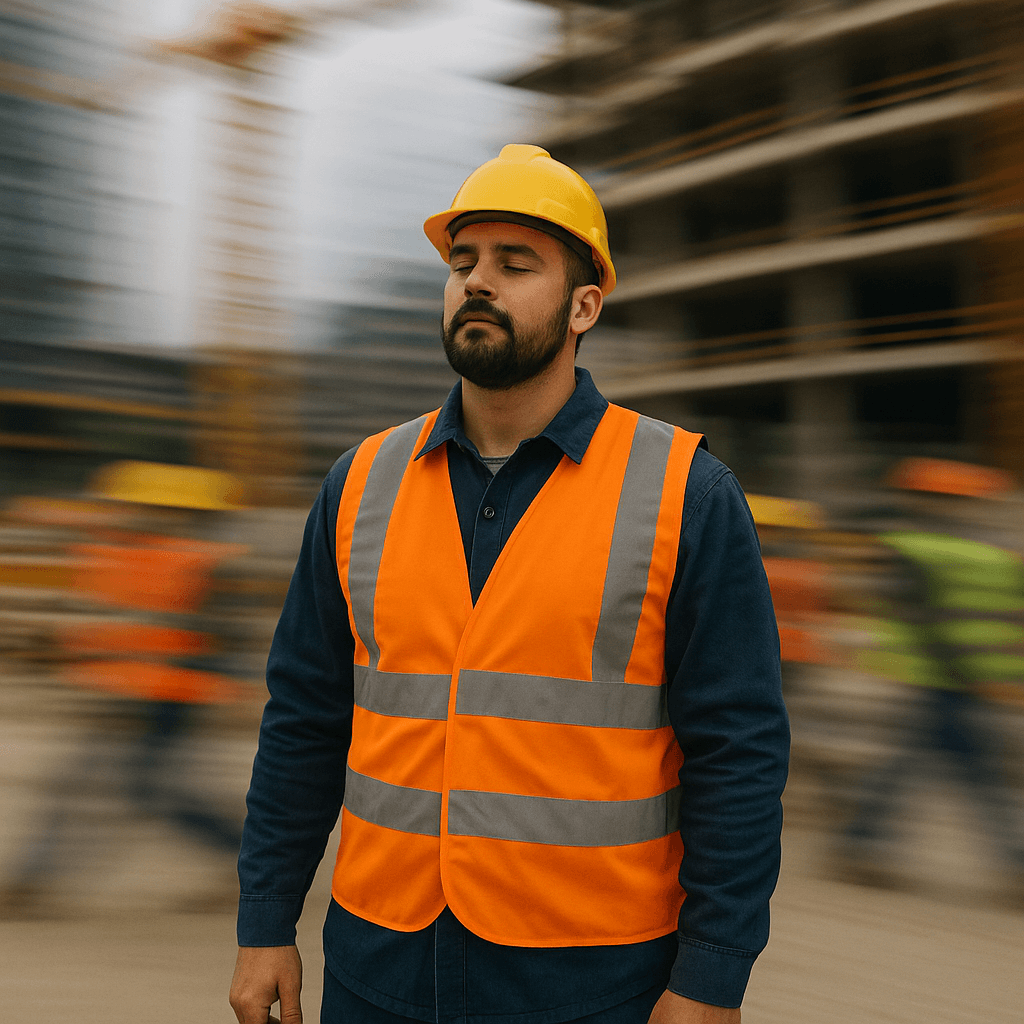
You do not need a quiet room. You do not need special equipment. You do not need to close your eyes unless you want to (I know I struggle closing me eyes in public spaces). Sit upright or stand comfortably. Keep your spine reasonably straight so your lungs can expand properly. Close your mouth and inhale quietly through your nose for a steady count of four. Hold that breath for a count of seven. Then exhale slowly and audibly through your mouth for a count of eight, letting the air leave completely. The exhale should be controlled, not forced. Think of slowly fogging up a mirror. Repeat the cycle three to four times. That is enough to begin shifting your nervous system.
If seven seconds feels too long at first, reduce the ratio slightly. You might begin with 3-5-6 and gradually build up. Just ensure the exhale remains longer than the inhale. Like anything in construction, consistency builds strength. You don’t become steady under pressure by practising once.
The most powerful thing about the 4-7-8 breathing technique is that it is practical. You can use it before stepping into a meeting where you expect conflict. You can use it after receiving an email that triggers frustration. You can use it when stuck in traffic and feeling irritation rise. You can use it before climbing scaffolding if you feel slightly off balance mentally. You can use it at night when your brain is replaying conversations. It is particularly useful before reactive moments. Anger often peaks quickly. Controlled breathing lowers the intensity before you say something you regret. In leadership roles, this matters. Calm responses build credibility.

When I first practised 4-7-8 breathing, I found it surprisingly difficult. Holding my breath for seven seconds felt uncomfortable. My instinct was to rush the exhale. I even felt slightly light-headed the first few times. That is normal. If you feel dizzy, you may be breathing too forcefully. Slow it down. If holding for seven seconds feels impossible, shorten it. You are training your respiratory system, not passing a test. Over time, the rhythm becomes natural. You’ll notice that your shoulders drop faster. Your mind settles quicker. You become more aware of when your breathing shortens under stress. That awareness alone improves stress management in construction environments.
The 4-7-8 breathing technique is often marketed as a sleep aid or anxiety tool. It is both of those things but in high-pressure industries, it is also a performance regulator. When your nervous system is deregulated, your thinking narrows. You become reactive. Decision-making becomes impulsive. In construction, impulsive decisions cost money, relationships and sometimes safety. Regulating your breathing regulates your response window. It creates space between trigger and reaction. That space is where professionalism lives. This is why breathing exercises for stress are increasingly discussed in occupational health contexts. It is not about eliminating stress. It is about managing it effectively.
If Craig’s story feels familiar, support exists, without judgement or pressure.
Onward Shift offers:
Support doesn’t mean you’ve failed. It means you’re taking responsibility for yourself.
If you want something practical to remember, keep this in mind.
Inhale through your nose for four seconds. Hold for seven. Exhale slowly through your mouth for eight. Repeat three times.
That is roughly sixty seconds.
Sixty seconds that can prevent escalation. Sixty seconds that can sharpen clarity. Sixty seconds that can stop a spiral.
Mental health in construction does not always require dramatic interventions. Sometimes it requires small, repeatable tools that interrupt the build-up before it becomes overwhelming. The 4-7-8 breathing technique is not weird. It is not soft. It is not spiritual fluff. It is a structured, science-backed breathing pattern that regulates your nervous system. You do not need to fix your entire life in one go. Sometimes you just need to regain control in sixty seconds.
Try it today.
Use it before your next meeting. Use it before pricing a job. Use it before reacting to something that triggers you and if it helps, share it with your team. Four seconds in. Seven seconds hold. Eight seconds out. Sometimes the strongest thing you can do under pressure is slow down your breathing.
Picture this. Three blokes sitting on a park bench on a warm spring day. The sun’s out, a light breeze moves through the trees and

Every day, engineers and construction workers play a critical role in keeping our homes, offices, and essential infrastructure functional; however, they are often judged by

Life is unpredictable, with challenges, opportunities, and countless decisions. Navigating this complex path can often feel overwhelming, leaving many seeking guidance and clarity.

Introduction In today’s ever-evolving world, mental health has become a central concern for individuals, communities and workplaces. With the stresses of modern living, economic instability

In the UK construction industry, safety discussions traditionally focus on physical hazards hard hats, harnesses, scaffolding and machinery safety but there’s an equally critical risk

Mental health in construction is often spoken about in statistics. Rates. Percentages. Headlines. We talk about numbers because they feel measurable. Safer and easier to
If you’re feeling overwhelmed or need someone to talk to, there are organisations that offer free, confidential support for mental health challenges, especially for professionals in high stress industries like construction and engineering. Here are some options available:
Provides a 24/7 confidential listening service for anyone struggling with their mental health or in distress.
A free and confidential text-based crisis support service available 24/7.
The Lighthouse Construction Industry Charity provides vital support to construction workers and their families, offering financial assistance, mental health support, and occupational health advice.
Mates in Mind works to improve mental health awareness within the construction sector. They provide training and resources to help businesses and workers address mental health challenges.
B&CE’s Construction Worker Helpline offers free support and guidance for industry workers facing financial difficulties, stress, or personal challenges. Available from 8am-8pm, 7 days a week.
Provides confidential advice and financial assistance for people working in the electrical industry.
The Rainy Day Trust provides financial assistance and support to those working in the home improvement, construction, and allied trades industries.
CRASH helps homelessness charities and hospices by providing construction-related assistance, offering expertise and materials for vital building projects.
This organisation helps young people discover career opportunities in the construction industry, breaking down stereotypes and offering pathways into the trade.
Offers emotional support and guidance for anyone affected by bereavement.
Provides 24/7 support for individuals struggling with gambling-related issues.
At AA, alcoholics help each other. We will support you. You are not alone. Together, we find strength and hope. You are one step away.
A free listening service for individuals experiencing suicidal thoughts, open from 6pm to midnight daily.
A helpline offering support and information to LGBTQIA+ individuals on topics like mental health, relationships, and identity.
Provides young people with advice and support on topics such as mental health, finances, relationships, and homelessness.
The construction industry can be both rewarding and challenging but no one should have to face difficulties alone. Whether you need financial help, mental health support or career guidance, these organisations are here to assist you. If you or someone you know is struggling, don’t hesitate to reach out. If you found this list helpful, consider sharing it with colleagues or on social media to spread awareness. Let’s build a stronger, healthier construction industry together!

A Mental Health Hub Dedicated to Support Construction
We use cookies to make our website work properly, improve performance and personalise your experience. You can accept all cookies or manage your preferences.