

The Power of Speech and Language in Construction
Building Better Communicators from Apprentices to CEOs Communication is a tool more powerful than any hammer, drill or crane. On a construction site, it can

Let’s be honest the words “construction” and “mental health” haven’t always gone hand-in-hand.
But what if we’re missing something?
What if the very things that make construction tough…
…also make it one of the strongest industries in the world for supporting each other mentally?
Because after 15+ years on the tools and after hundreds of conversations with workers, apprentices, managers, counsellors, wellbeing practitioners I’ m starting to see something clearly:
Construction isn’t broken.
Construction is powerful.
However It just needs guiding.
Behind every hard hat is a human being.
Behind every bit of pressure is a story.
And behind every site is a team that wants to do well even if they don’t always know how.
So today, I’m exploring something honest.
Something real.
Something most people think about but rarely say out loud.
Let’s get into it.
A bit of both and that’s the beauty of it.
Construction workers are mentally tough but not because they pretend everything’s fine.
They’re tough because they’ve faced things most people never will:
•pressure
•weather
•time constraints
•physical graft
•real danger
•responsibility
•expectations
•long hours
•constant problem-solving
But here’s the catch:
Old-school culture told you to “crack on”, keep quiet and pocket everything down.
Real strength?
It’s when graft meets honesty.
And that shift is already happening.
I hear lads say things like:
“Mate, I’m feeling it today.”
“Work’s getting a bit heavy.”
“Another night I didn’t sleep well.”
That’s not weakness.
That’s evolution.
And it’s happening faster than people think.
Not because workers are weaker.
Not because construction is “broken.”
But because:
•the stakes are higher
•the pressure is constant
•deadlines move
•jobs shift
•teams change
•the work is physical
•hours are long
•pay can fluctuate
•identity is tied to performance
•banter sometimes crosses the line
•there’s still stigma
Here’s the positive twist…
Construction workers are problem-solvers by nature.
Give them a broken machine → they fix it.
Give them a tight deadline → they organise.
Give them a challenge → they find a way.
So imagine what happens when you give construction workers the right conversations, too.
They don’t just cope.
They grow.
Both depending on how it’s used.
Good banter?
It’s medicine.
It bonds teams.
It gets you through cold mornings.
It eases awkwardness.
It builds community.
Bad banter?
It shuts people down.
It hides stress.
It creates shame.
It makes people pretend.
The goal isn’t to kill banter.
The goal is to upgrade it.
Swap:
•“Man up” → “You alright, mate? Seriously you alright?”
•“Stop moaning” → “What’s going on today? Want to have a chat mate?”
•“You’ll be fine” → “Let’s sort it together. Life can get hard but I’m here for you mate”
Construction culture doesn’t need deleting.
It just needs guiding.
And when banter becomes healthier, teams become stronger.
Some absolutely are and those leaders are shaping the future of the industry.
You know the ones:
•calm under pressure
•good communicators
•humble
•they notice when someone’s quiet
•they protect their team
•they lead by example
But many leaders aren’t lacking compassion they’re lacking training.
Most supervisors were promoted for being good workers, not mental-health experts.
And that’s okay.
What matters is giving them:
•simple tools
•better awareness
•confidence
•better language
•practical steps
•and permission to lead with empathy
That’s where Toolbox Talks, Check-In systems, training and honest conversations change everything.
Most leaders want to be better they just need guidance, they don’t need to change every aspect of themselves.
Yes 100%.
And here’s the twist most people overlook:
Construction already has something most industries don’t…
Structure.
Think about it:
•Daily briefings
•Site meetings
•Toolbox Talks
•Method statements
•Risk assessments
•Checklists
•Sign-ins
•PPE checks
Construction already runs on routine communication.
So imagine if:
Checking in mentally
became as normal
as checking PPE.
Imagine if wellbeing was built into:
•inductions
•site briefings
•contractor onboarding
•supervisor training
It’s not a fantasy.
It’s possibility.
Because the industry already has the perfect system it just needs a mental-health plug-in.
Here are three that change everything and take less than 20 seconds.
1. Ask “How are you?” twice.
The first answer is autopilot.
The second time is honest.
2. Normalise the dip.
“Bad day? Happens. Let’s have a chat about it.”
That removes shame instantly and humanises problems.
3. Share your pressure too.
When a supervisor says:
“I’m feeling it today as well.”
That’s real leadership.
Construction doesn’t need therapy degrees.
Just better conversations and small moments of humanity.
More than people realise.
Construction workers often:
•travel for work
•do long shifts
•work away from family
•move from site to site
•lose community when jobs end
•spend long periods outdoors in silence
•work in male-dominated environments
•feel pressure to “stay strong”
Loneliness doesn’t always look sad.
Sometimes it looks like the lad who’s always joking.
But here’s the good news…
Construction also has the strongest natural sense of community.
That’s why:
•Walk & Talk events work
•Toolbox Talks work
•Podcasts spark connection
•Crews bond
•Teams look out for each other
Loneliness can’t survive in a connected industry.
Yes.
100% they are which is fantastic.
Conversations that didn’t exist 10 years ago are normal today:
•“I’m stressed.”
•“I’m under pressure.”
•“Things aren’t great at home.”
•“Need a break.”
•“Didn’t sleep well.”
When men see other men speak up, it spreads.
That’s why:
•storytelling matters
•podcasts matter
•lived experience matters
•leaders speaking honestly matters
•community matters
One vulnerable person creates ten more.
Honesty is contagious.
It’s not soft.
It’s not a meditation retreat.
And it’s definitely not silent.
A healthy site looks like:
•clear communication
•calm supervisors
•fair workloads
•teams who look out for each other
•banter kept respectful
•regular check-ins
•safety before speed
•people allowed to say “I’m struggling” without fear of shame or guilt
It doesn’t mean no stress.
It means shared stress.
Construction sites will always be busy, noisy and fast-paced.
But they can also be human.
Then the mission isn’t to rebuild the industry
it’s to unlock it.
Construction workers are:
•skilled
•tough
•loyal
•protective
•team-driven
•problem-solvers
•resilient
•resourceful
These aren’t traits you need to teach.
They’re already there baked into the industry.
So imagine what happens when you combine:
the strength construction already has
+
the emotional tools it’s just beginning to learn
Answer:
A mentally healthier industry that builds people
as well as buildings.
Construction doesn’t need saving.
It needs supporting.
It needs modernising.
It needs conversations.
It needs space.
It needs leaders who believe in the change.
It needs workers who look after one another.
And guess what?
It already has everything it needs to get there.
This is the beginning, most definitely not the end!
And I genuinely believe the construction industry will lead the future of workplace wellbeing… not follow it.
But there’s one more question we never ask…
Let’s paint that picture because people don’t move unless they can see the future they’re working towards.
Imagine this:
A site where turning up stressed isn’t a weakness… it’s normalised.
You walk in and someone actually notices when you’re carrying pressure not because they’re nosy but because they care.
“Alright mate? You seem a bit down today.”
Simple, human, real.
A site where leaders are trained in communication, not just paperwork.
Not therapy.
Not deep psychology.
Just:
•how to calm a team
•how to handle conflict
•how to keep standards high without shouting
•how to check in properly
Leadership skills that every modern industry now expects we just haven’t been taught them on site yet.
A site where people talk before problems escalate.
Imagine how many fights, stress blow-ups and burnout moments would be avoided if someone spoke up one conversation earlier.
That’s what good wellbeing systems unlock.
A site where apprentices see vulnerability as strength not as shame.
A 19–20-year-old lad shouldn’t be learning outdated masculinity from the 1980s.
He should be learning this:
“You can graft AND talk about how you feel both make you stronger.”
Just picture how powerful that generation will be!
And here’s the real shift wellbeing becomes part of the job, not an extra.
We don’t treat safety as optional.
We don’t treat PPE as optional.
We don’t treat method statements as optional.
So why is mental wellbeing still treated like a “nice to have”?
In reality:
•a calm worker is a safer worker
•a supported team is a more efficient team
•a connected workforce has fewer absences
•and an open culture prevents accidents long before they happen
Companies don’t lose money from wellbeing.
They save it.
This mindset is coming slowly but surely.
And if you’re reading this… you’re part of that shift.
Because change never starts with the loud voices, the big companies or the top-level CEOs.
It starts with one person who thinks:
“We can do this better.”
One foreman.
One apprentice.
One site manager.
One HR rep.
One business owner.
One worker having a tough day.
Movements don’t start from the top.
They start from the ground and grow upwards.
Exactly like construction itself.
Construction isn’t struggling because it’s weak.
Construction is struggling because it’s strong but silent.
For years, people have kept going through:
•break-ups
•money stress
•grief
•depression
•anxiety
•addiction
•burnout
•loneliness
•pressure
•family issues
•identity crises
And they’ve done it while:
•working long hours
•travelling far
•lifting heavy
•taking responsibility
•dealing with weather
•meeting deadlines
This industry is full of people who keep going even when they’re breaking inside.
That’s not weakness.
That’s courage.
But courage still needs support.
You’re not struggling because you’re failing.
You’re struggling because you’re human.
And being human in a tough environment requires connection not isolation.
And this is why I believe the construction industry will lead the way.
Not because it’s perfect.
Not because it’s calm.
Not because it’s easy.
But because:
•construction is community-driven
•construction is loyal
•construction is honest
•construction supports its own
•construction understands graft
•construction adapts faster than people realise
When this industry changes, it won’t be small.
It’ll be massive.
A blueprint for every other industry to follow.
Because I’ve spent over a decades in this world.
I’ve seen:
•people break
•people rebuild
•people open up
•people stay silent
•teams fall apart
•teams pull each other out of dark places
And I’ve seen moments of leadership that would never make the news but should.
Moments where someone stepped in, quietly, gently and changed a life without even realising it.
This is why Onward Shift exists.
Not to criticise construction.
Not to lecture it.
Not to “fix” it.
But to guide it.
To support the workers who have supported this country for generations.
To make mental wellbeing as normal as PPE.
To build a culture where strength includes softness and vulnerability isn’t seen as weakness.
Not the industry.
Not the company.
Not the government.
You.
Because all change every single bit of it starts with one decision:
“I’m going to make things better around me.”
That’s it.
That’s the spark.
You don’t need to fix the whole industry.
You just need to look after one team.
One conversation.
One person.
Even one moment.
It all counts.
And if enough people make those small choices?
The entire industry shifts.
Construction is powerful.
Construction is resilient.
Construction is full of good people doing their best.
And construction has a future that’s brighter than anyone realises.
This isn’t a crisis story.
This is a comeback story.
Because once construction understands its true strength emotional strength everything changes.
This industry built Britain.
Now it’s time to build each other.
Onward.
Always!

Building Better Communicators from Apprentices to CEOs Communication is a tool more powerful than any hammer, drill or crane. On a construction site, it can

When preparing a quote for domestic jobs, do you include a clause requesting access to essential amenities like functioning toilets, fresh water and electricity for

Introduction In the construction industry, where the focus traditionally lies on physical safety, productivity and project delivery, mental health has often been a neglected topic.

From Apprentices to CEOs When you picture the construction industry, what comes to mind? For many, it is still rows of men in hi-vis jackets

Fifty years ago, the concept of mental health was often met with skepticism and misunderstanding. Picture this: someone mentioning that they were visiting a mental
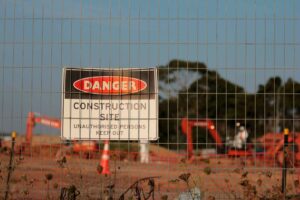
In the construction industry, we pride ourselves on building solid foundations. From homes and hospitals to bridges and skylines, we shape the landscape of the
If you’re feeling overwhelmed or need someone to talk to, there are organisations that offer free, confidential support for mental health challenges, especially for professionals in high stress industries like construction and engineering. Here are some options available:
Provides a 24/7 confidential listening service for anyone struggling with their mental health or in distress.
A free and confidential text-based crisis support service available 24/7.
The Lighthouse Construction Industry Charity provides vital support to construction workers and their families, offering financial assistance, mental health support, and occupational health advice.
Mates in Mind works to improve mental health awareness within the construction sector. They provide training and resources to help businesses and workers address mental health challenges.
B&CE’s Construction Worker Helpline offers free support and guidance for industry workers facing financial difficulties, stress, or personal challenges. Available from 8am-8pm, 7 days a week.
Provides confidential advice and financial assistance for people working in the electrical industry.
The Rainy Day Trust provides financial assistance and support to those working in the home improvement, construction, and allied trades industries.
CRASH helps homelessness charities and hospices by providing construction-related assistance, offering expertise and materials for vital building projects.
This organisation helps young people discover career opportunities in the construction industry, breaking down stereotypes and offering pathways into the trade.
Offers emotional support and guidance for anyone affected by bereavement.
Provides 24/7 support for individuals struggling with gambling-related issues.
At AA, alcoholics help each other. We will support you. You are not alone. Together, we find strength and hope. You are one step away.
A free listening service for individuals experiencing suicidal thoughts, open from 6pm to midnight daily.
A helpline offering support and information to LGBTQIA+ individuals on topics like mental health, relationships, and identity.
Provides young people with advice and support on topics such as mental health, finances, relationships, and homelessness.
The construction industry can be both rewarding and challenging but no one should have to face difficulties alone. Whether you need financial help, mental health support or career guidance, these organisations are here to assist you. If you or someone you know is struggling, don’t hesitate to reach out. If you found this list helpful, consider sharing it with colleagues or on social media to spread awareness. Let’s build a stronger, healthier construction industry together!

The Mental Health Platform Built for Construction
The Mental Health Platform Built for Construction
We use cookies to make our website work properly, improve performance and personalise your experience. You can accept all cookies or manage your preferences.